Blog
Buying Ceramic Paint in Dubai 7 Things to Check First
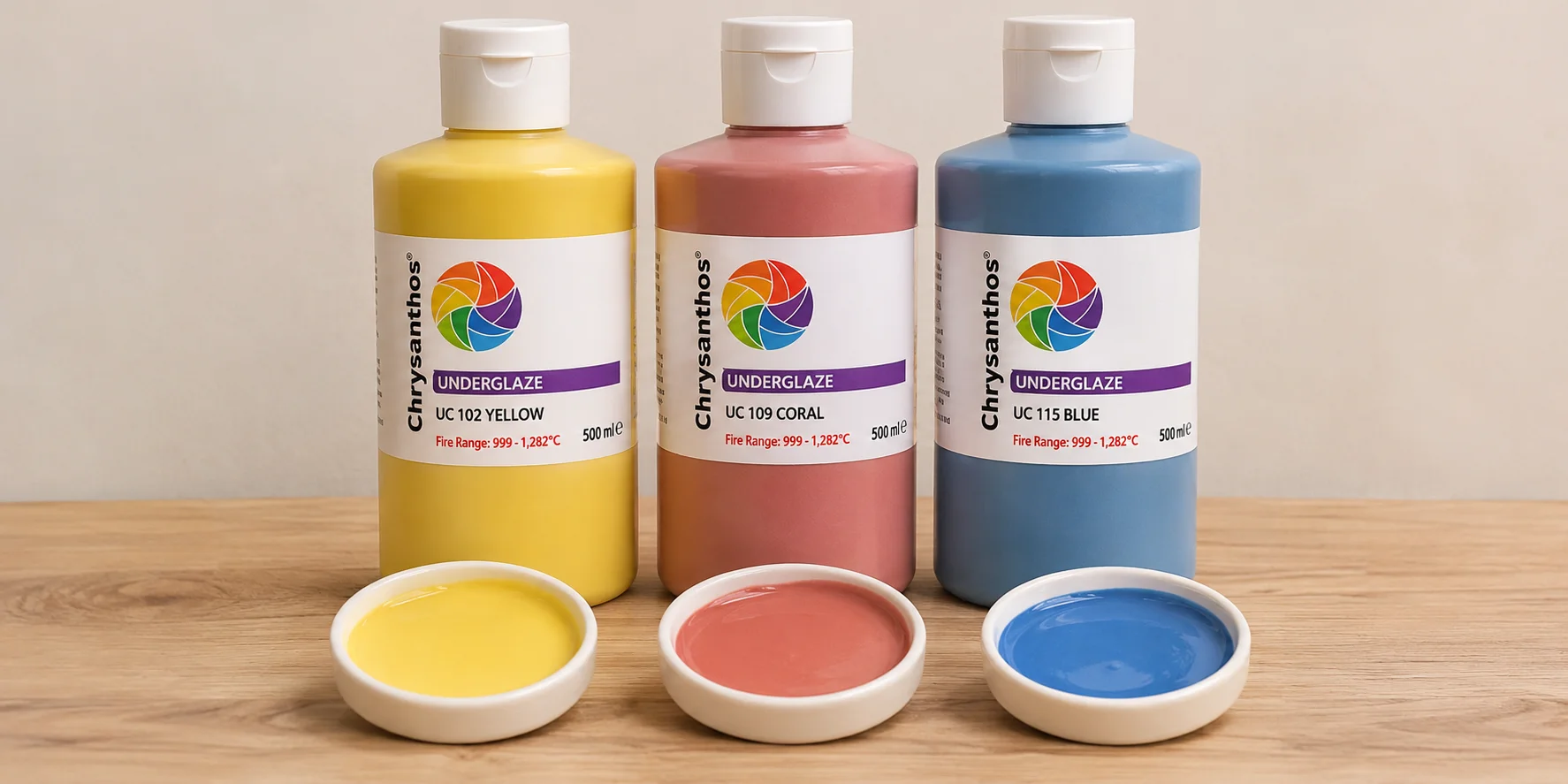
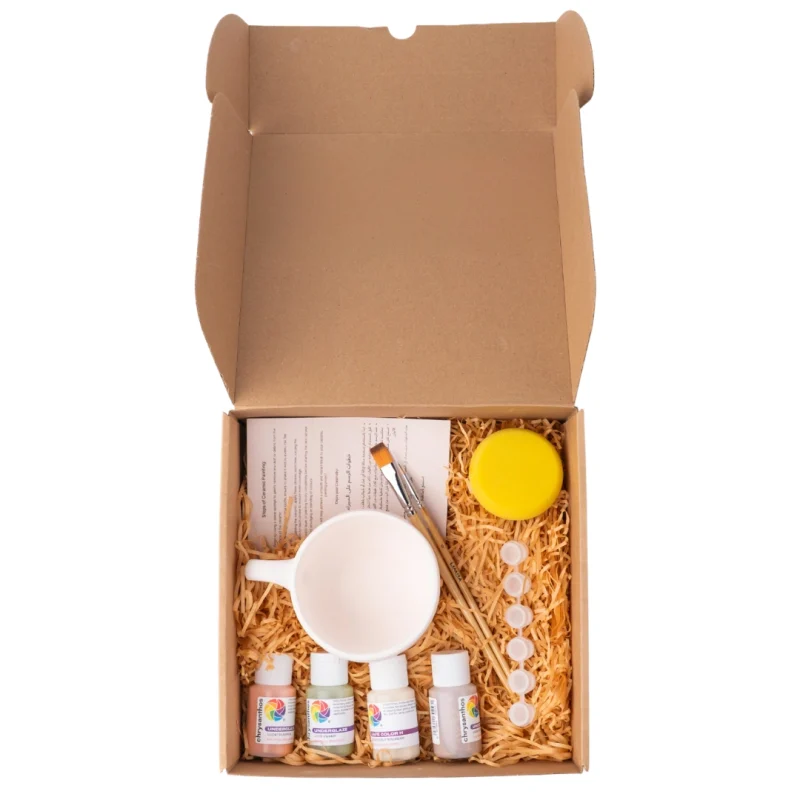
Buying ceramic paint for a coffee mug is different from choosing paint for a decorative plate. Some colours require kiln firing, while others dry without heat but may not withstand regular washing. At Limba Ceramics, we recommend thinking about how you’ll use the finished piece before choosing a colour. The right ceramic paint must match your pottery surface, firing temperature, and intended use. Here are seven things worth checking before you buy.
1. Check Whether Your Ceramic Paint needs Kiln Firing
Before buying ceramic paint, check whether it requires kiln firing or simply air-dries. Kiln-fired underglazes are designed for pottery projects such as mugs, bowls, and plates. They need proper firing to develop a lasting ceramic finish.
Air-dry acrylic paints are more suitable for decorative pieces that won’t be used for eating or drinking. At Limba Ceramics, we recommend choosing your paint based on what you plan to make. For a coffee mug used every morning, choose a kiln-compatible underglaze and a suitable food-safe glaze system, rather than ordinary craft paint.
Before You Buy Ceramic Paint
Five quick checks to avoid buying the wrong paint.
2. Make Sure the Ceramic Paint Matches Your Pottery Surface
Not every ceramic paint works on every surface. Bisque-fired pottery is porous and absorbs colour easily, making it a practical choice for painting mugs, bowls, and plates. Greenware (unfired clay) is more fragile, and only certain underglazes are suitable for application before the first firing.
Already-glazed ceramics are different. Their smooth, non-porous surface prevents standard underglazes from bonding properly unless a compatible overglaze system is used. At Limba Ceramics, we suggest testing a small area before painting your entire piece, especially when working with unfamiliar clay or glaze combinations. This can save you from losing hours of detailed painting.
3. Match the Ceramic Paint’s Firing Temperature to Your Kiln
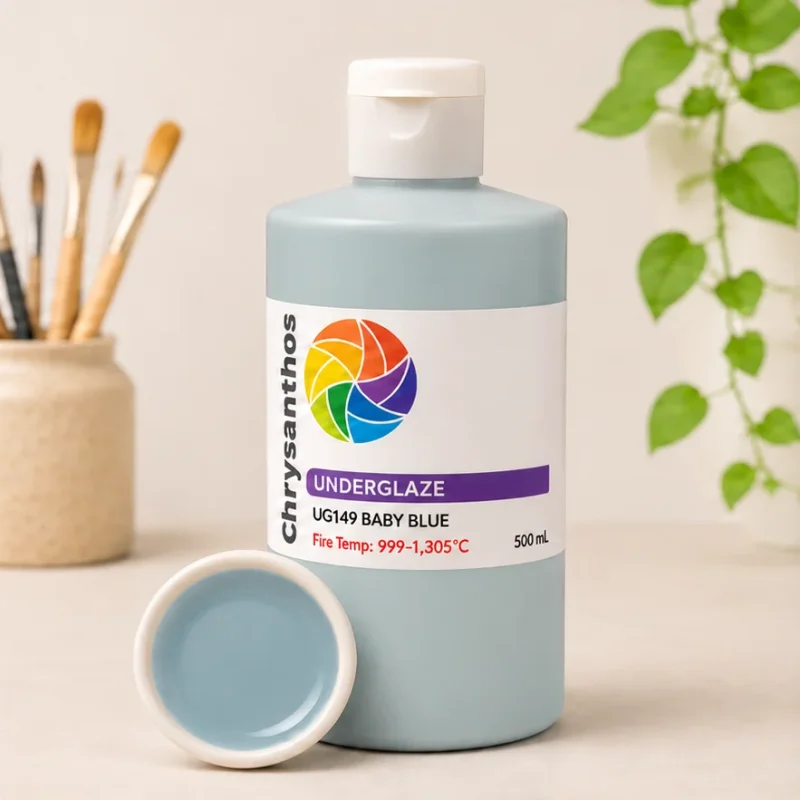
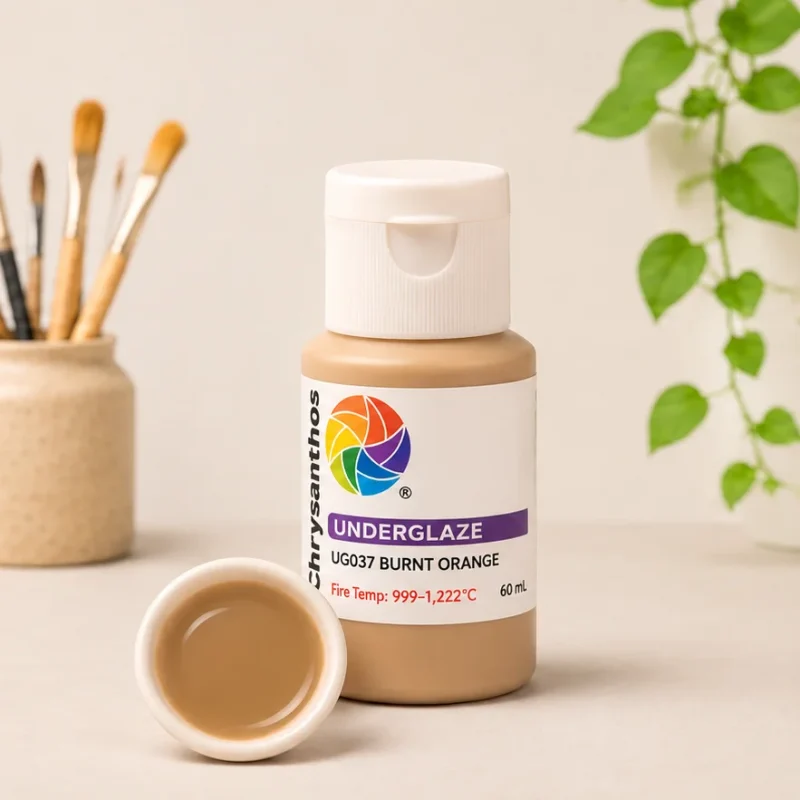
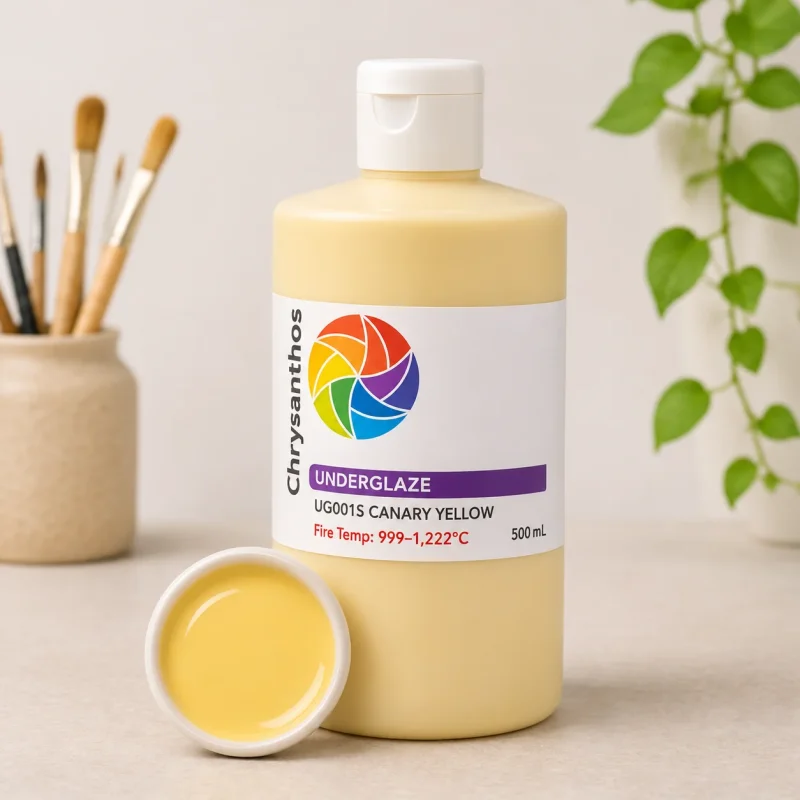
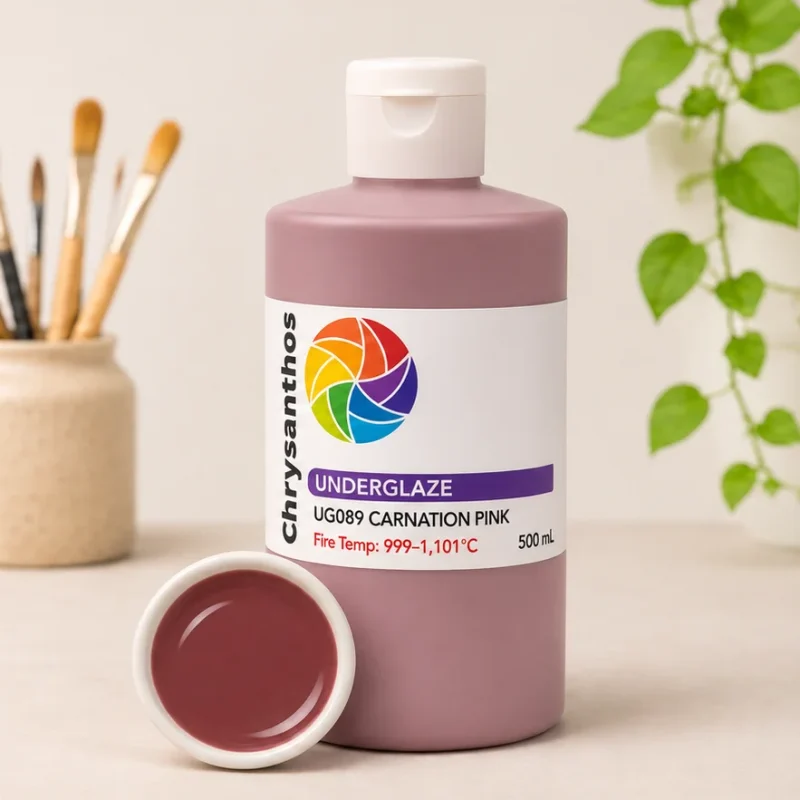
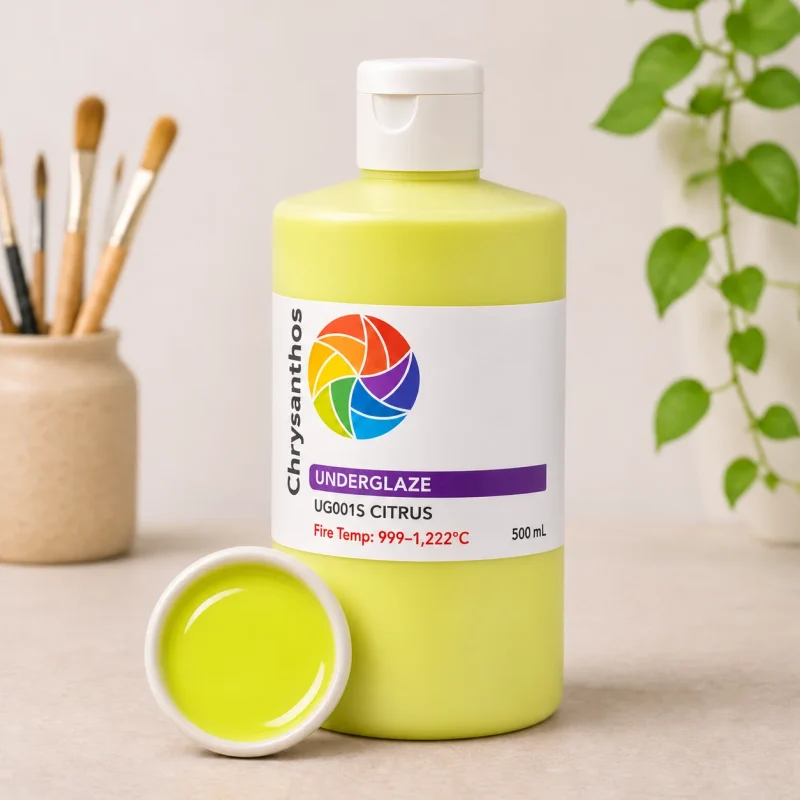
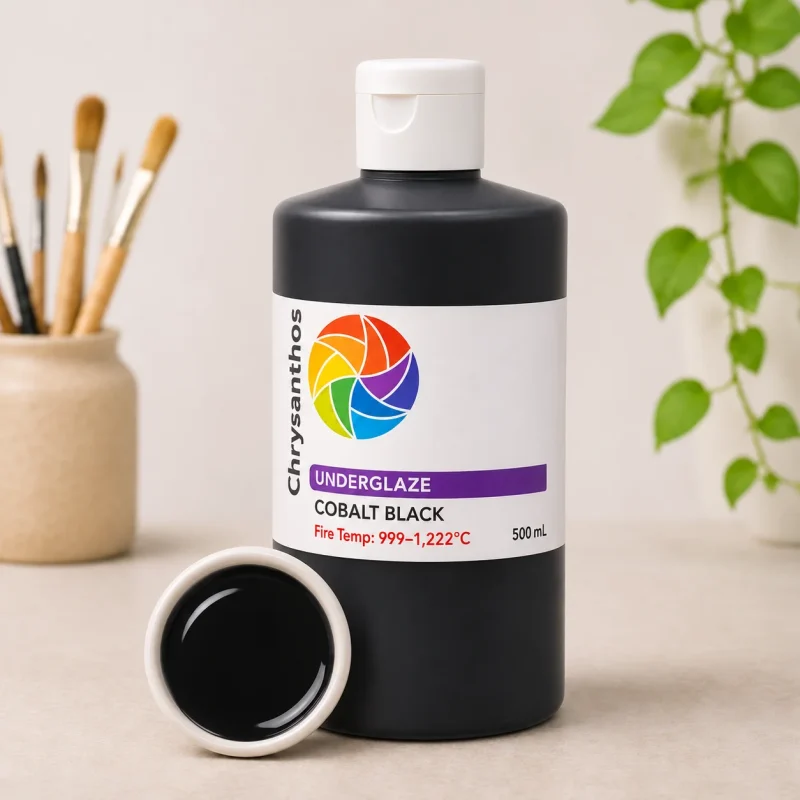
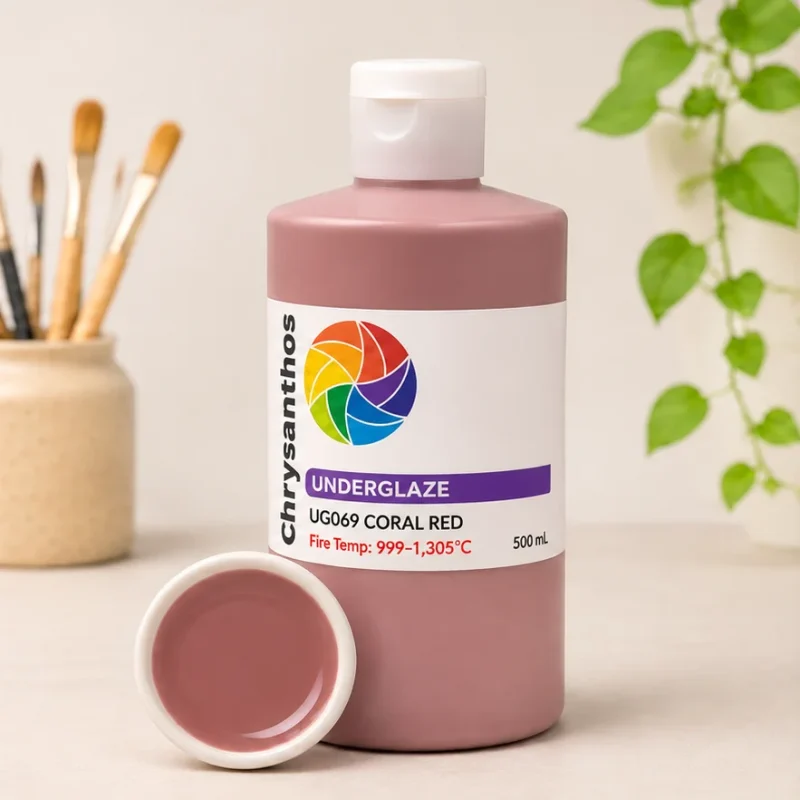
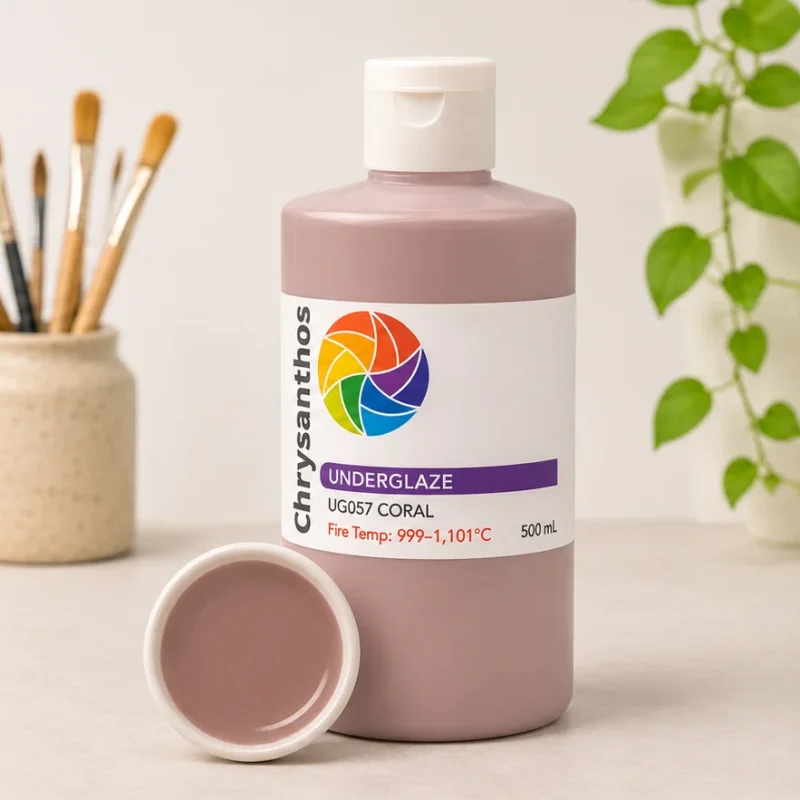
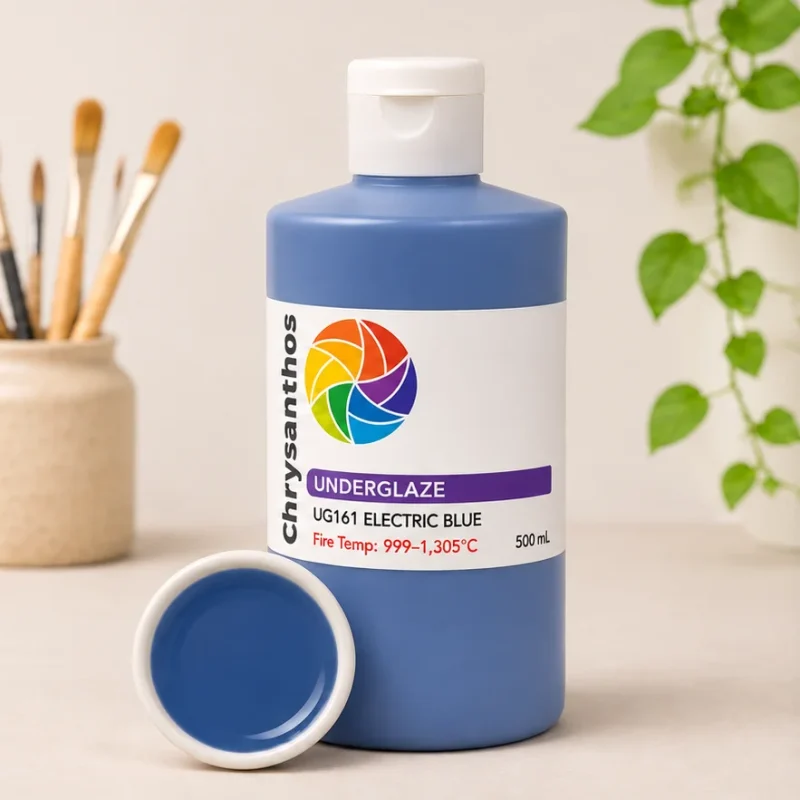
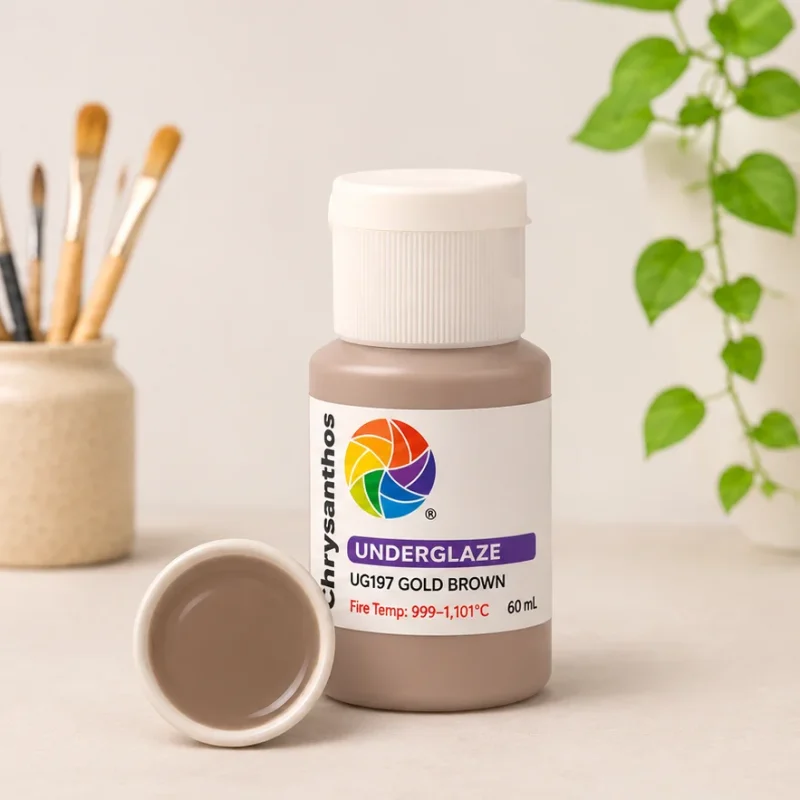
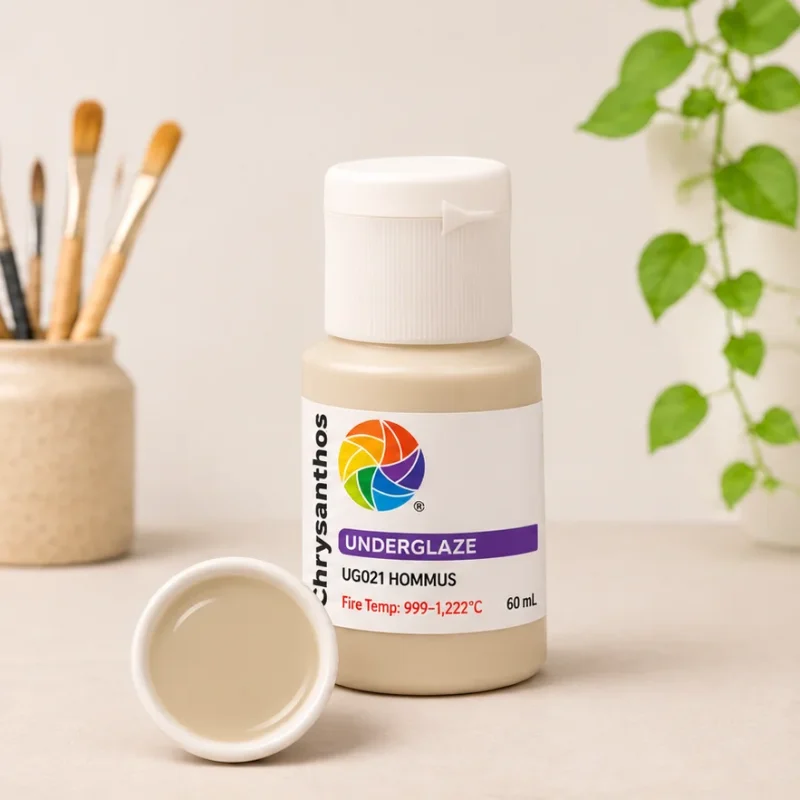
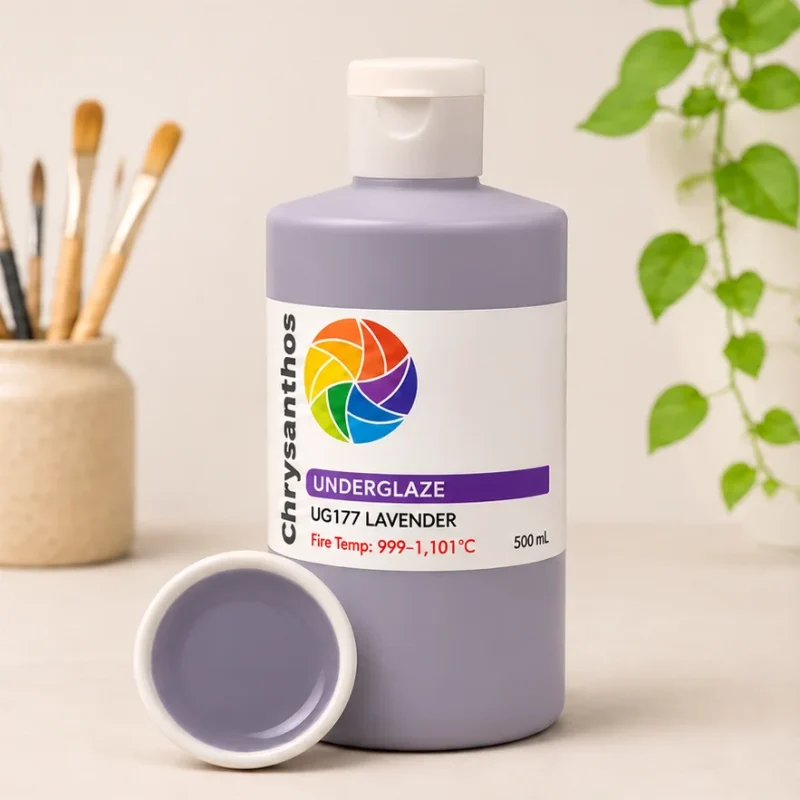
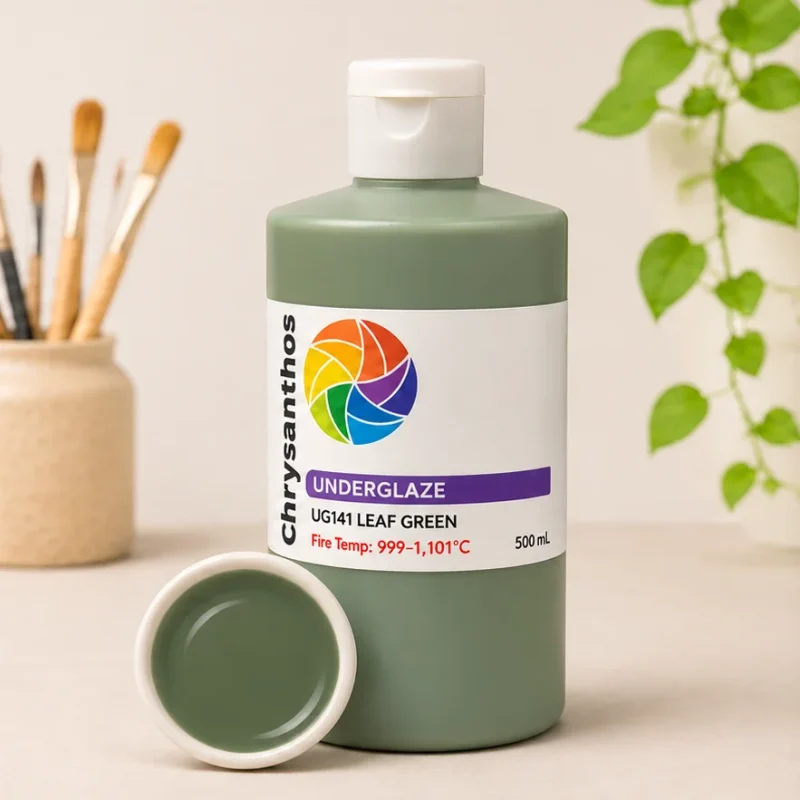
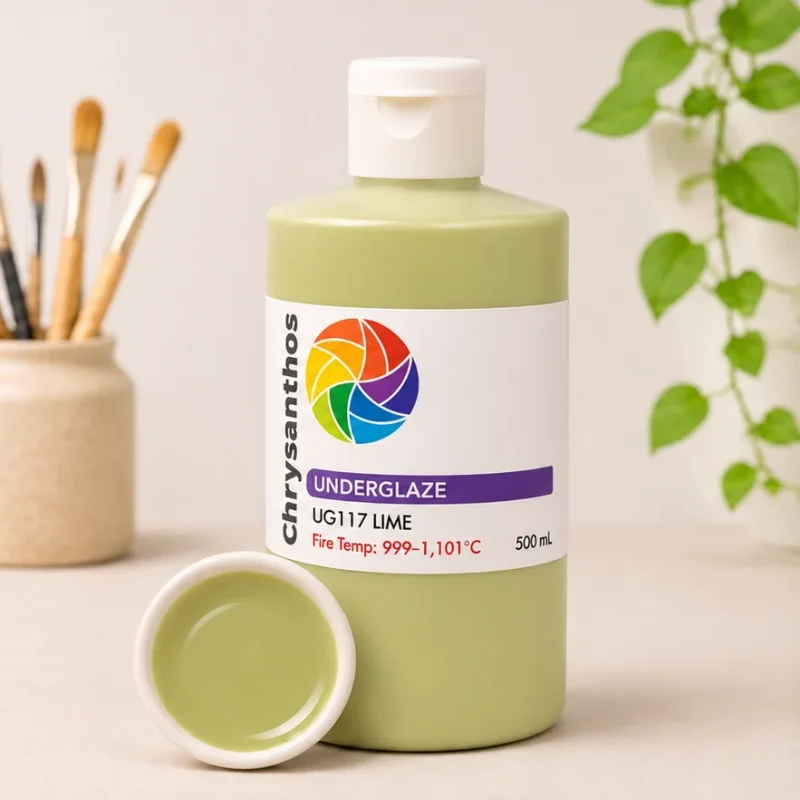
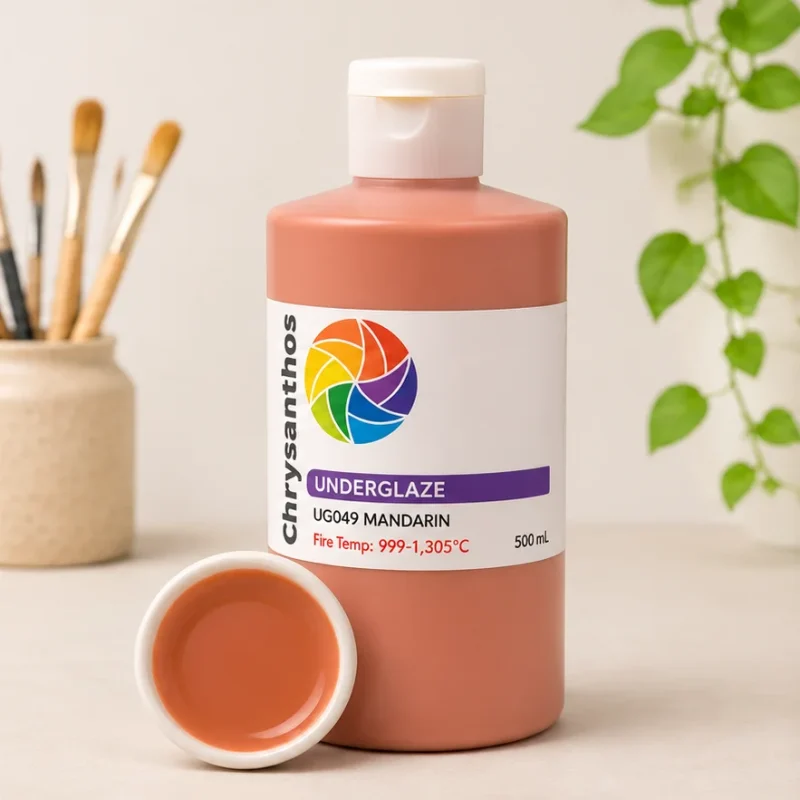
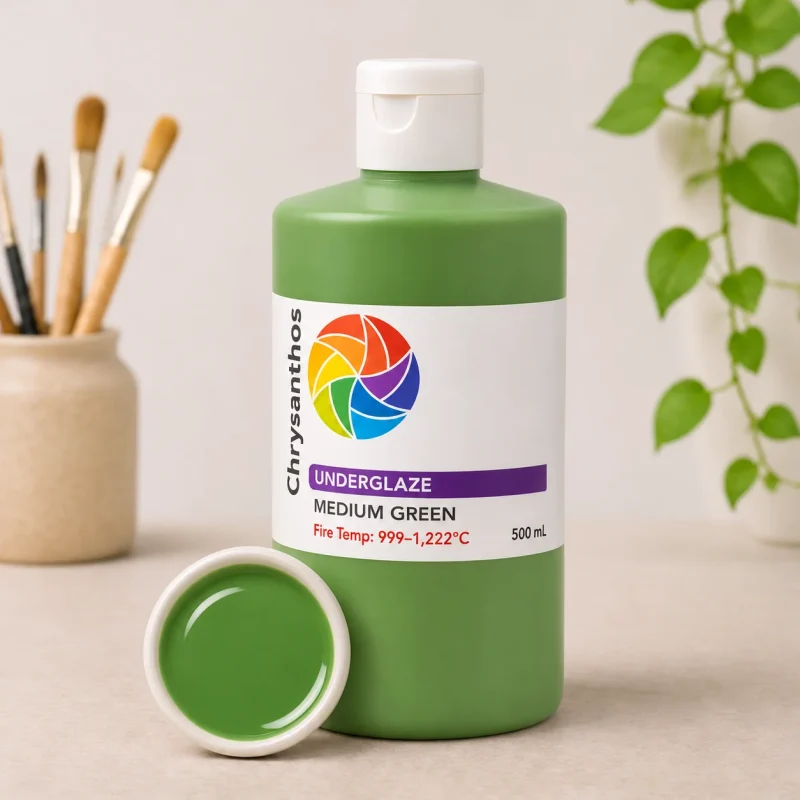
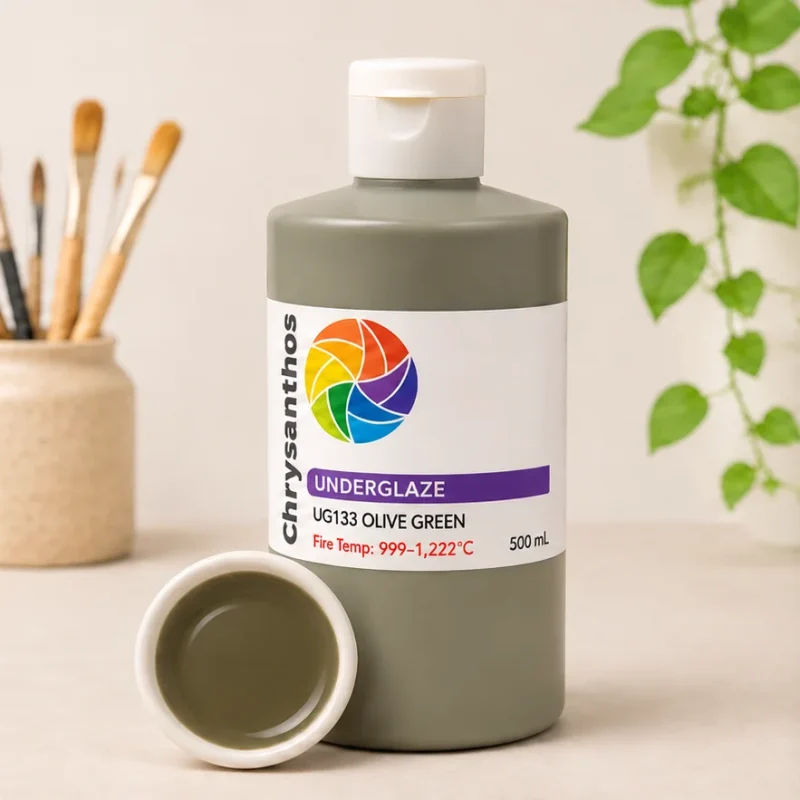
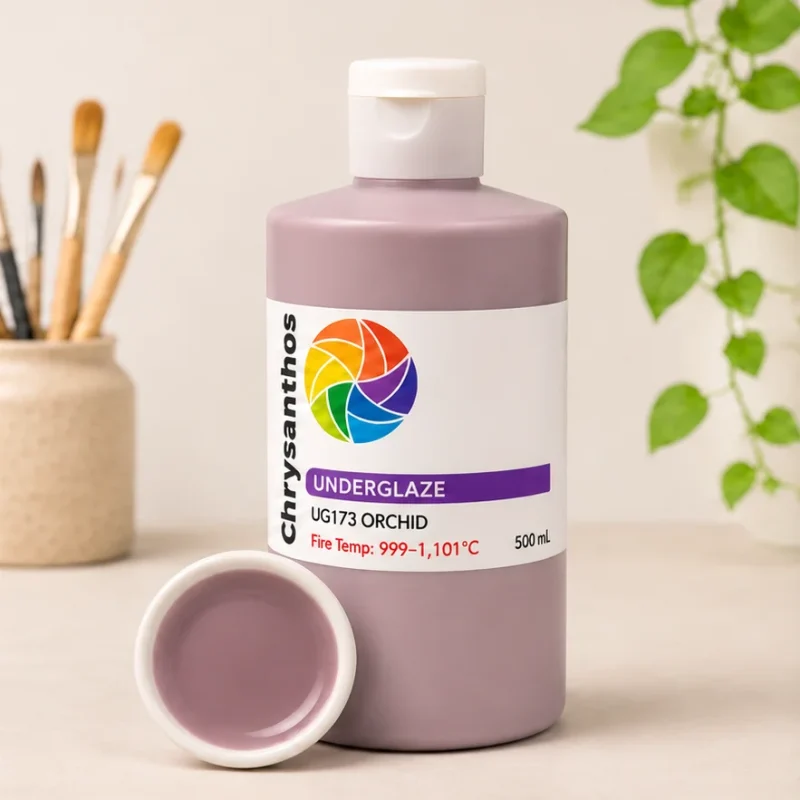
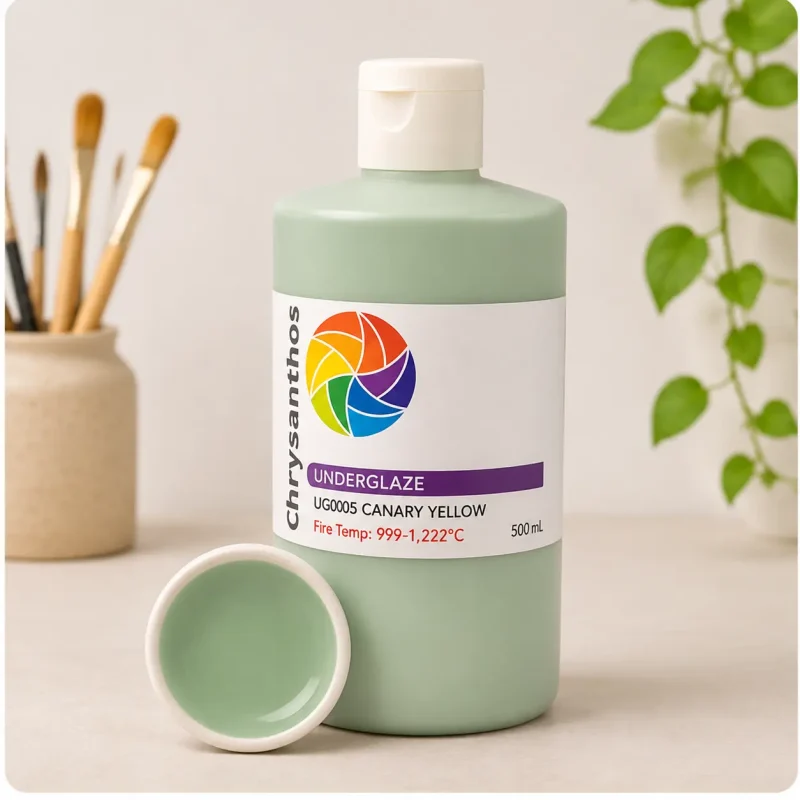
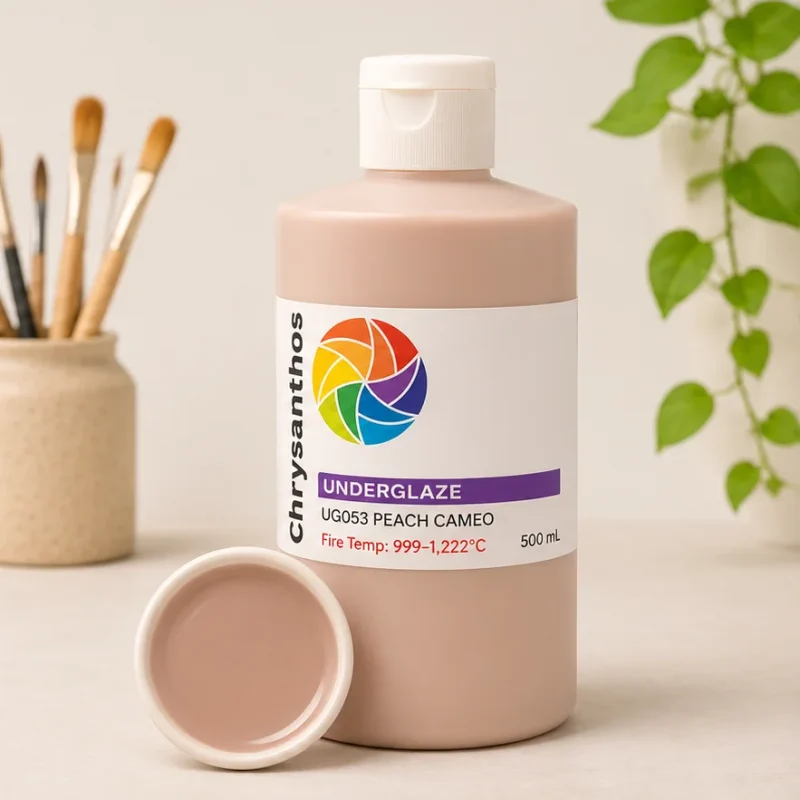
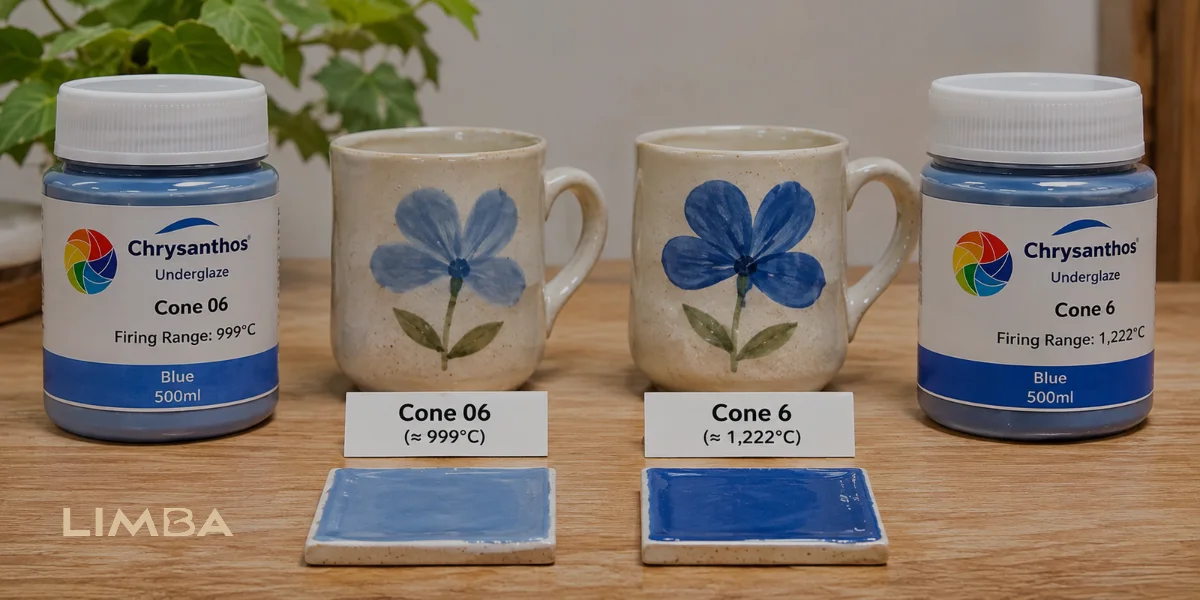
Before buying ceramic paint, check the firing range printed on the bottle. Cone 06 (around 999°C) and Cone 6 (around 1,222°C) are not the same. Firing a colour above its recommended range can cause fading or unexpected colour changes. Even within Chrysanthos underglazes, some colours tolerate higher temperatures than others.
Always check the individual label. Chrysanthos If your search for pottery painting Dubai led you to a workshop, ask about its firing temperature before bringing your own paints. The colour must be compatible with both the clay and the final glaze firing.
4. Check Food Safety Before Painting Mugs or Plates
A ceramic paint labelled “non toxic” isn’t automatically suitable for food contact. Non toxic describes the paint’s safety when handled as directed, not whether the finished surface can withstand food, drinks, and repeated washing.
For everyday mugs and plates, use an underglaze approved for dinnerware with a compatible food-safe clear glaze, fired correctly. At Limba Ceramics, we recommend paying particular attention to the inside of mugs and the drinking rim. Avoid leaving exposed underglaze or rough, unglazed areas where coffee, tea, or food will touch the surface.
5. Check How the Colour Looks After Firing
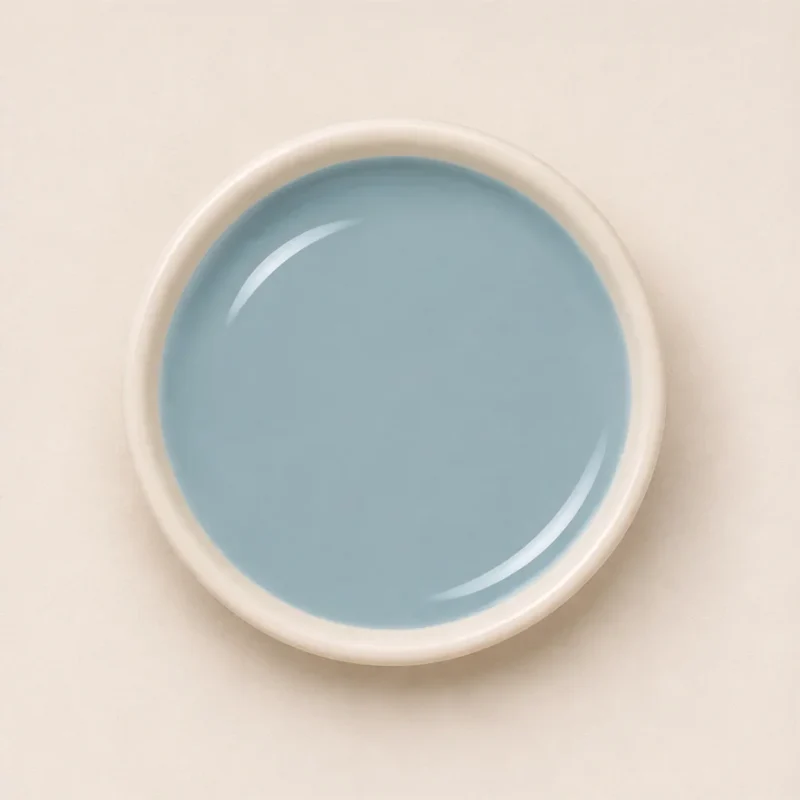
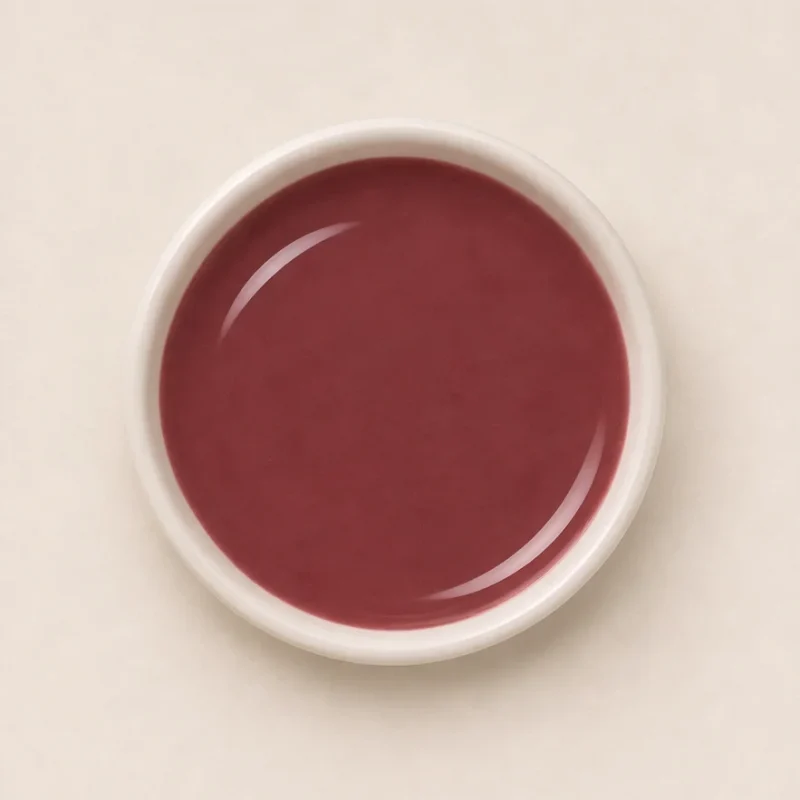
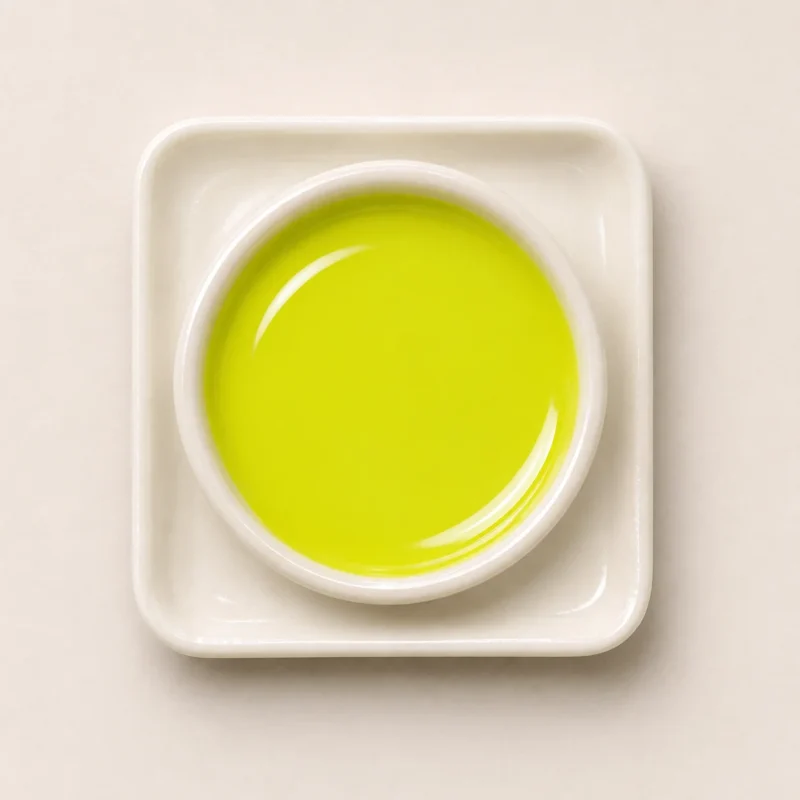
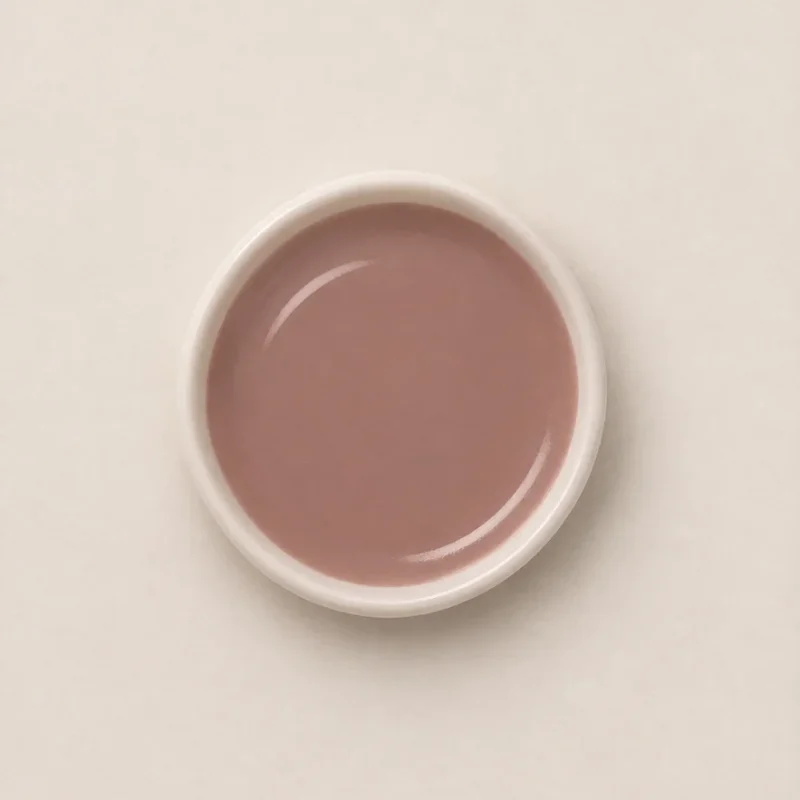
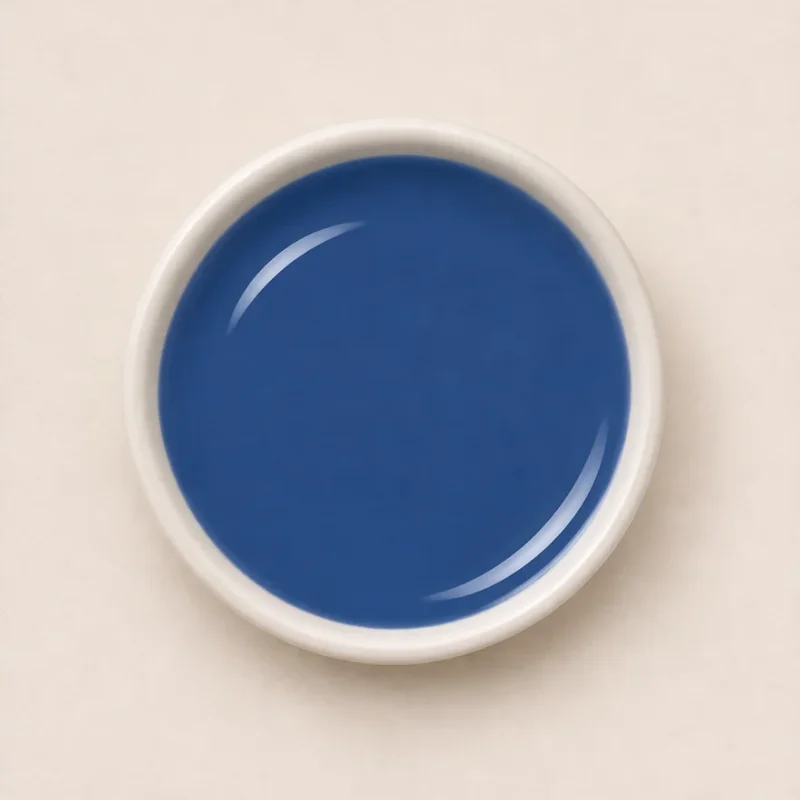
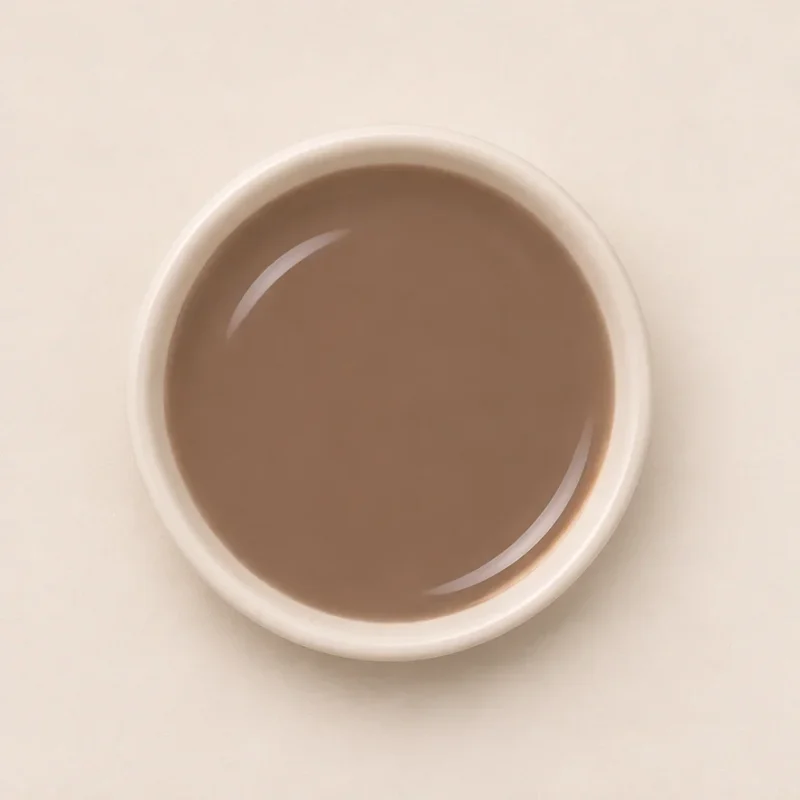
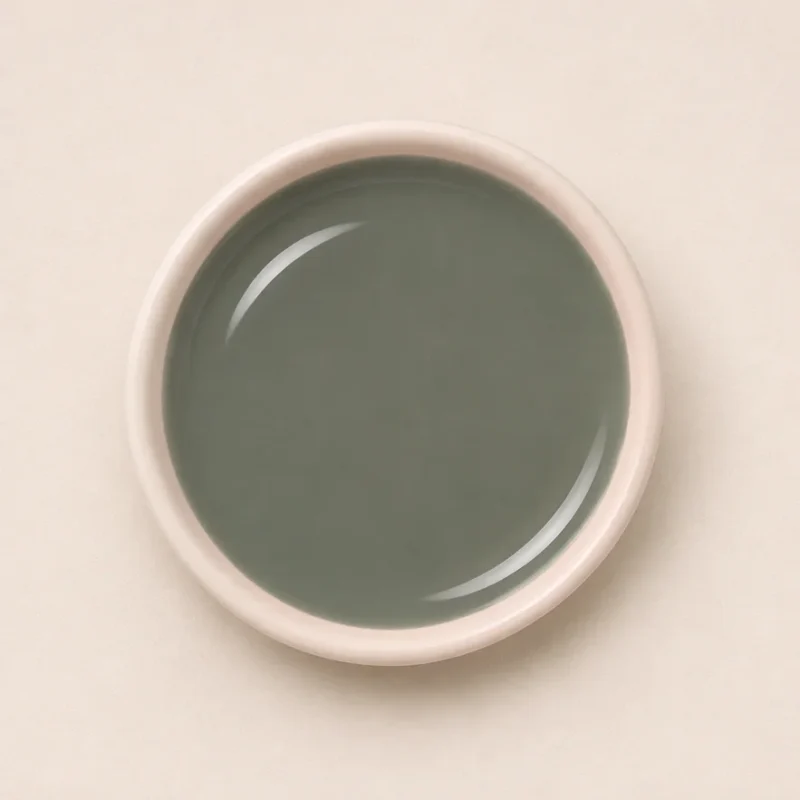
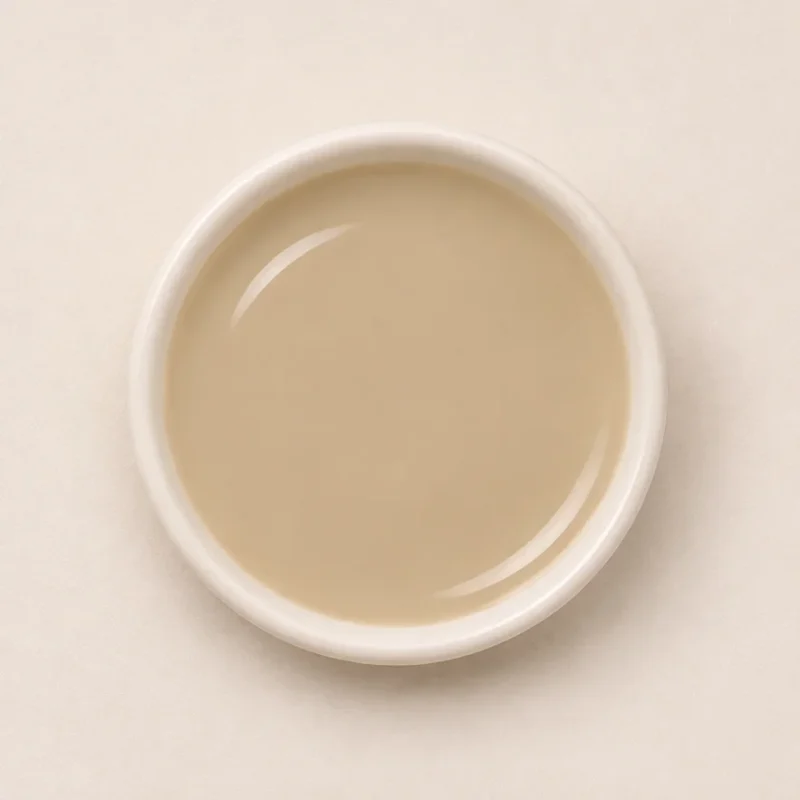
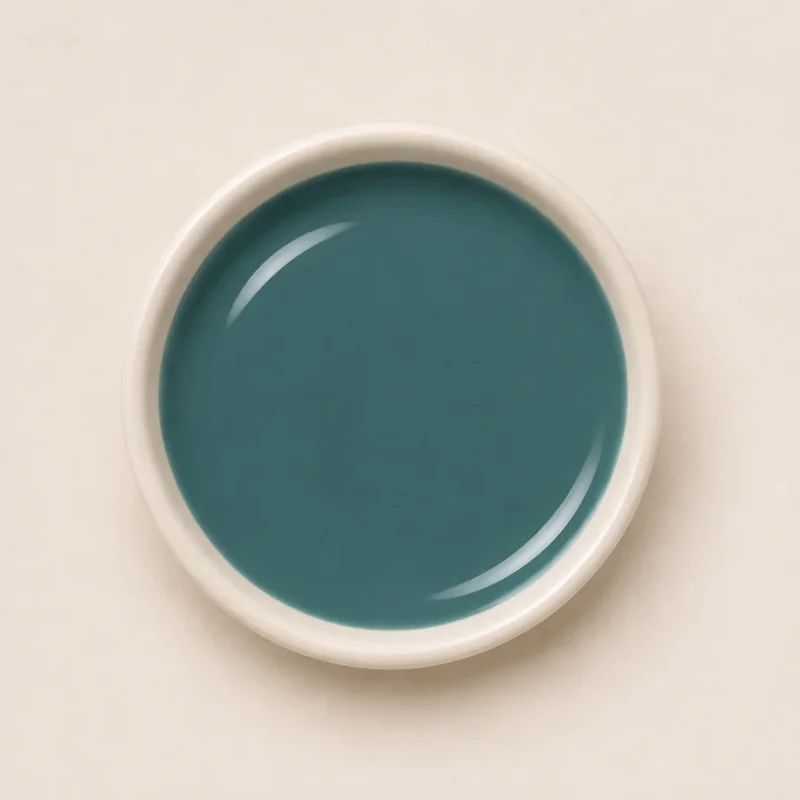
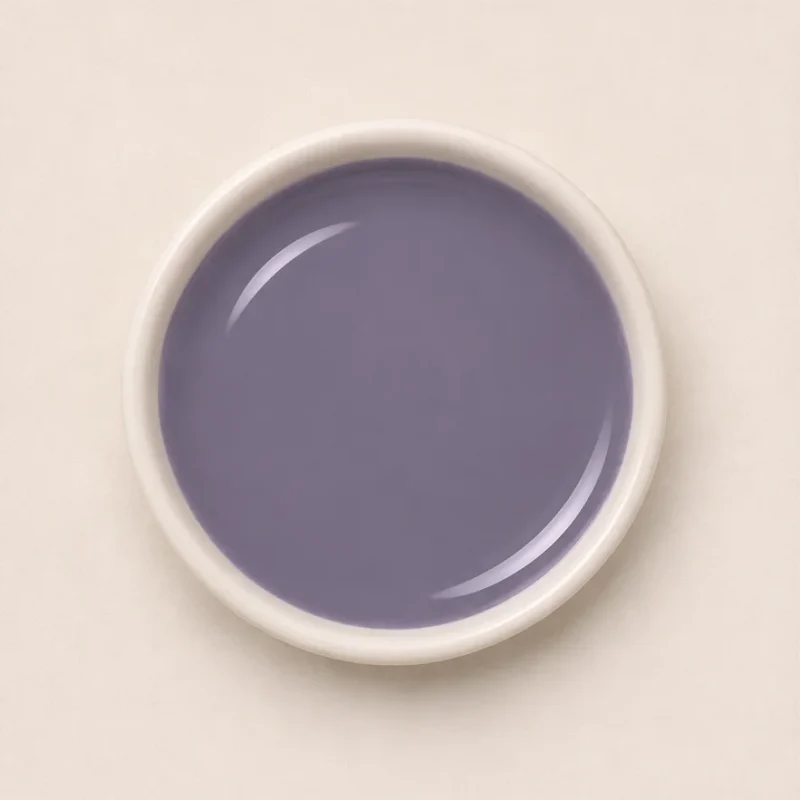
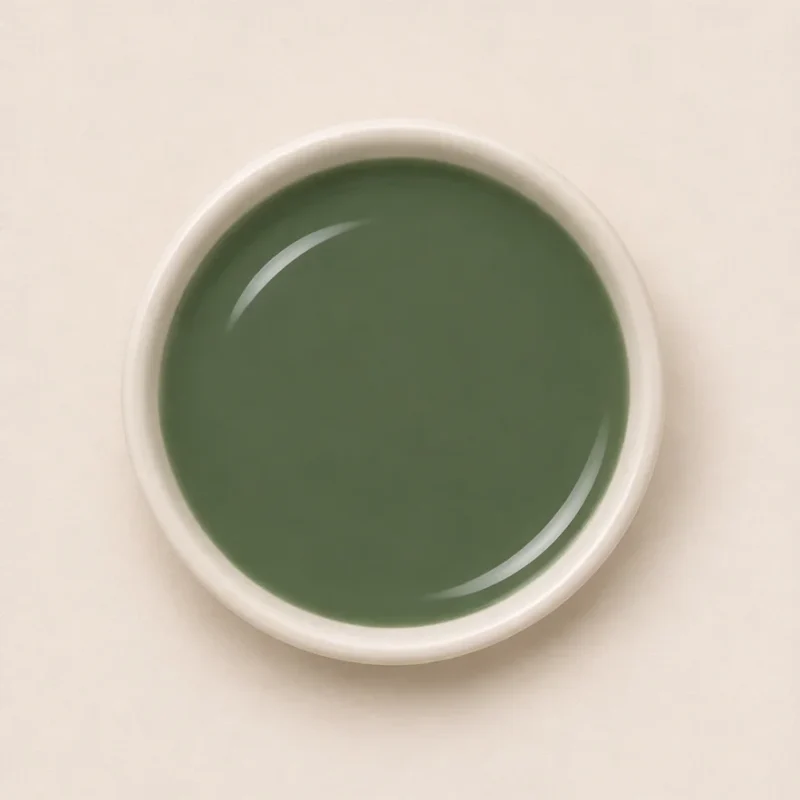
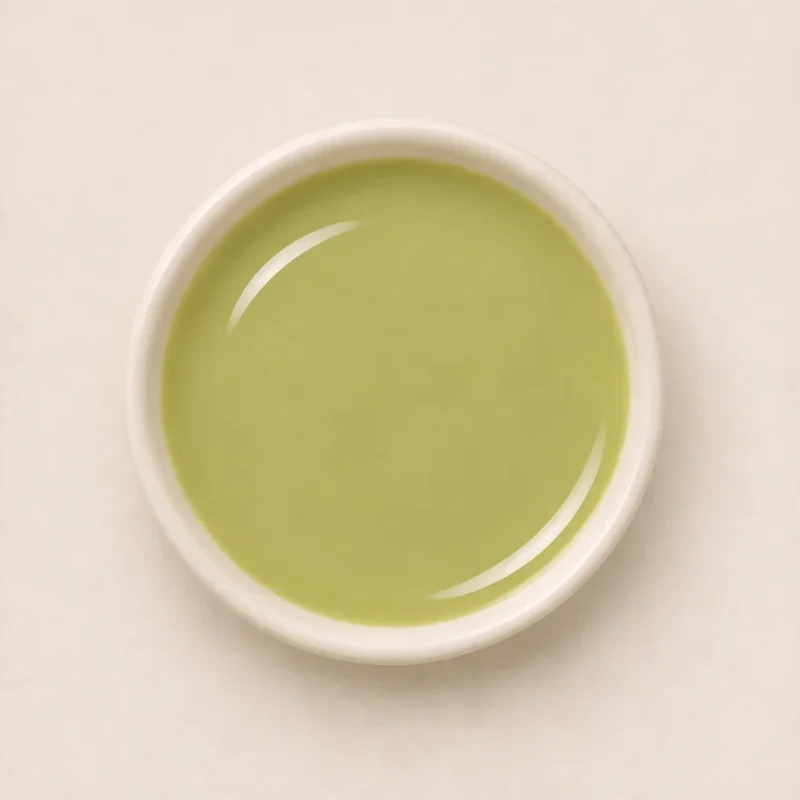
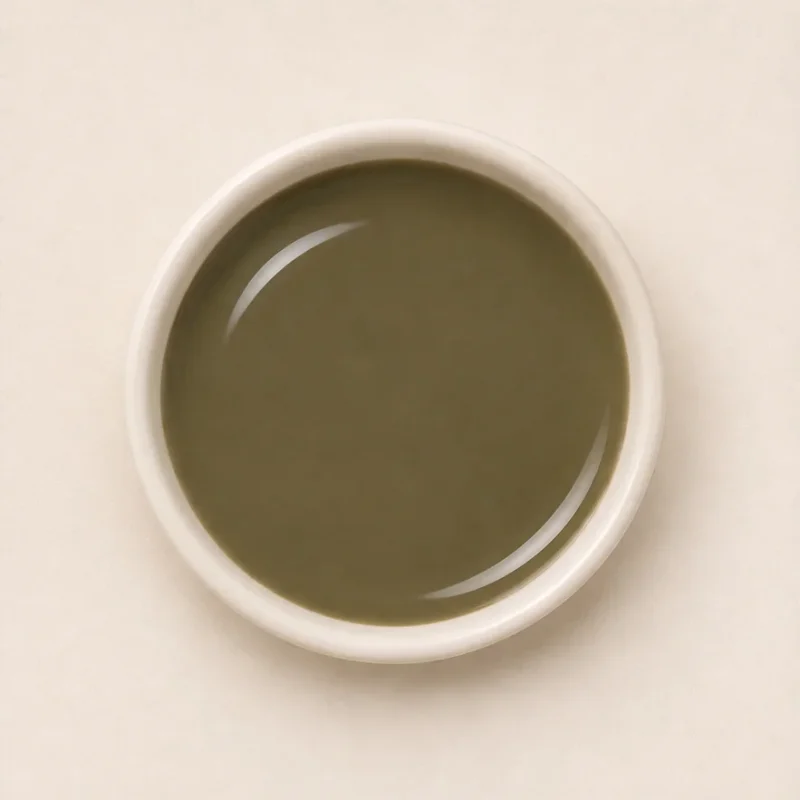
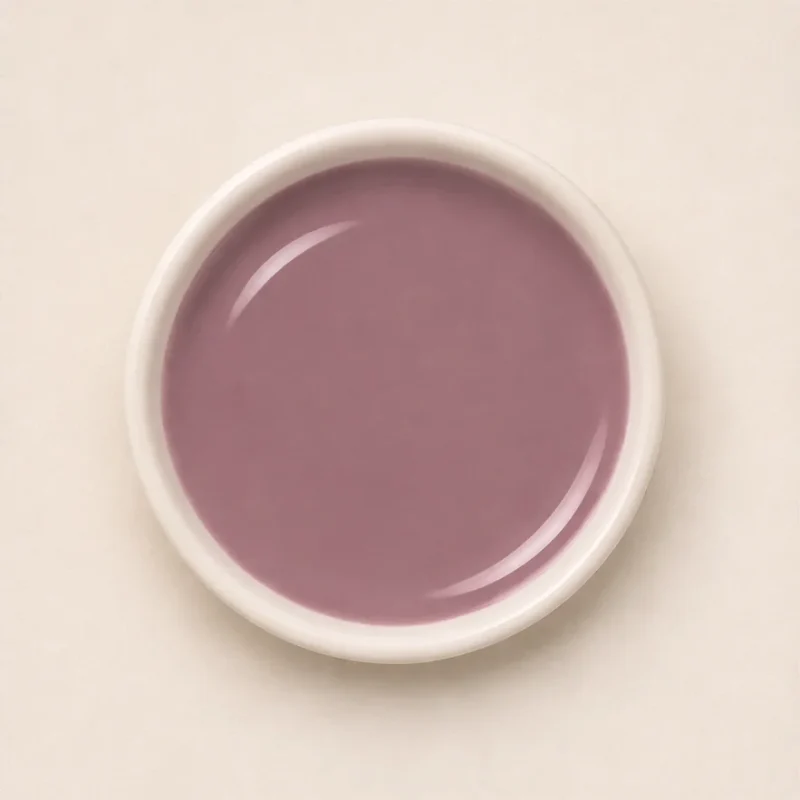
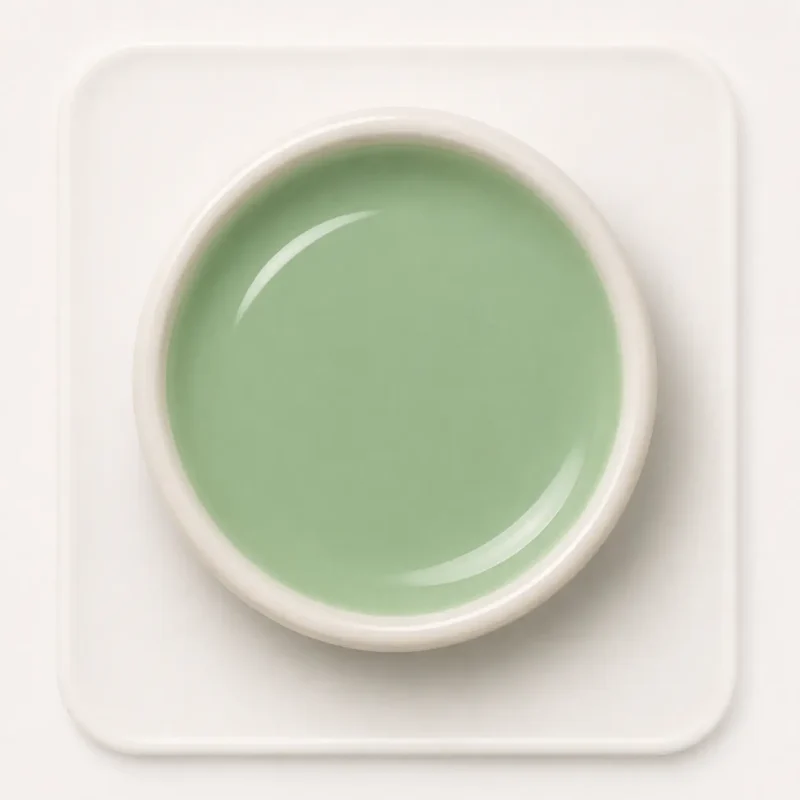
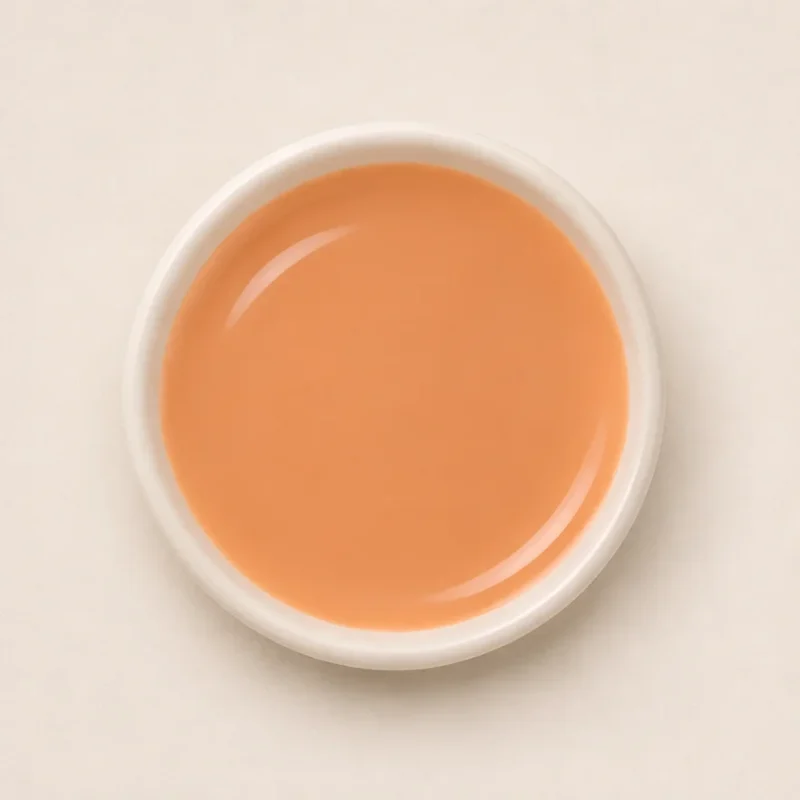
The colour inside a ceramic paint bottle isn’t always what you’ll see after firing. Some shades become darker, lighter, or glossier once a clear glaze is applied and fired. We recommend checking fired colour samples, especially for light colours on dark clay. A small test tile using the same clay and glaze can prevent disappointing results on a finished mug or plate.
Our product
6. Check Coverage and How Many Coats You Need
Some ceramic paints look patchy after one coat, especially on porous bisque pottery. For a more even finish, apply two or three thin coats, allowing each layer to lose its wet sheen before adding the next. Avoid thick coats around mug handles and carved details. Excess paint can collect in corners, hide fine textures, or cause uneven results after firing.
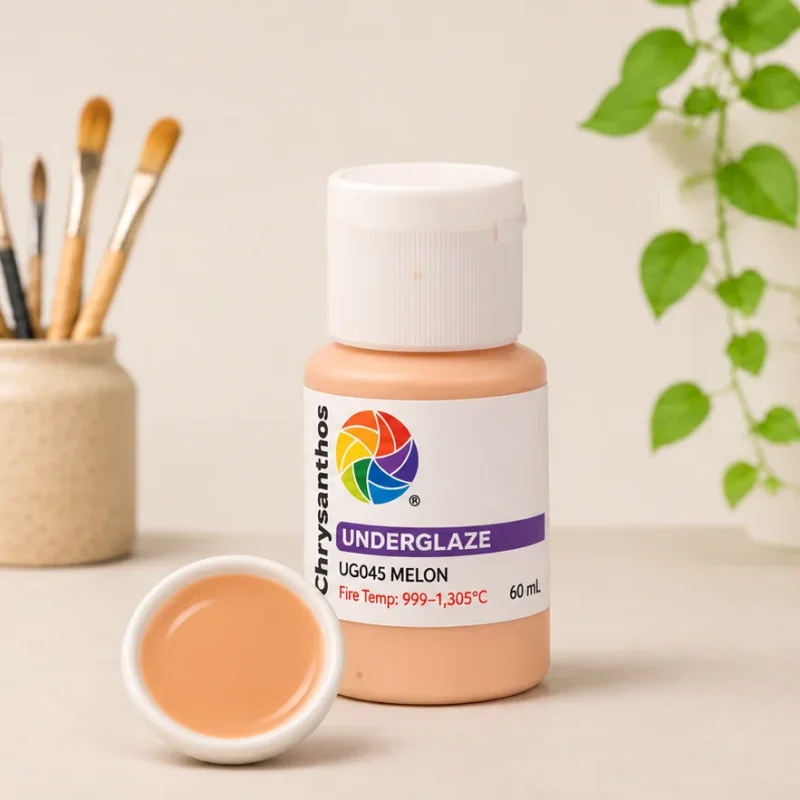
7. Choose the Right Bottle Size and Store It Properly
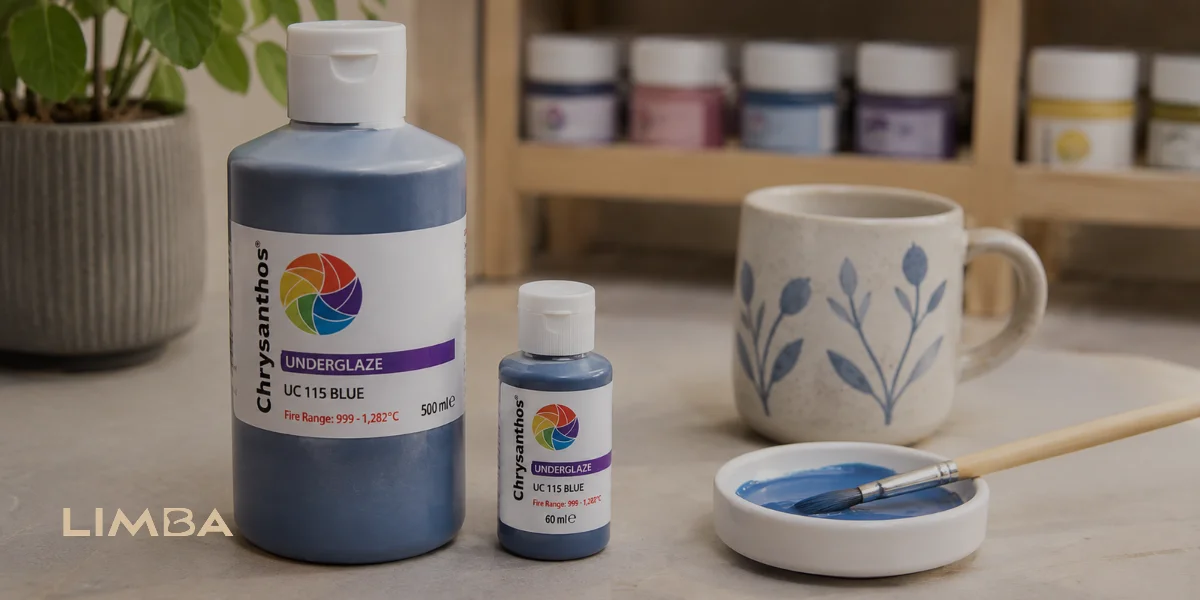
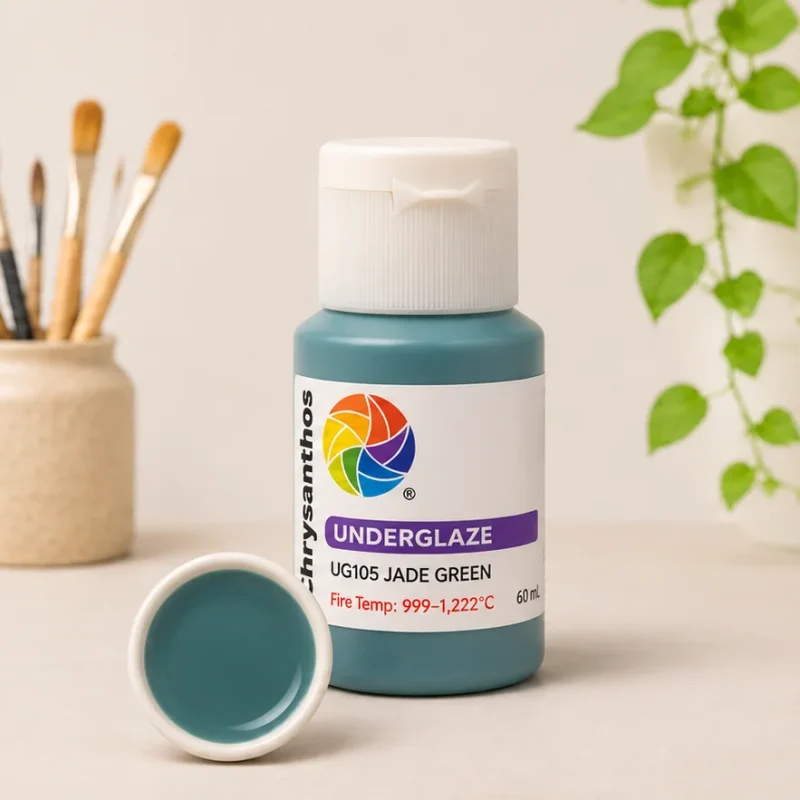
If you’re painting just a few mugs, a 60ml ceramic paint bottle may be enough. For regular studio use or larger projects, 500ml is usually more economical.
Before buying, check the paint’s consistency. Avoid bottles with dried lumps or a damaged seal. To keep leftover paint usable, close the lid tightly, store it away from direct sunlight, and never pour contaminated paint back into the original bottle.
Buy Ceramic Paint That Fits Your Project
Before buying ceramic paint, check three things first your pottery surface, kiln firing temperature, and intended use. A beautiful colour won’t help if it doesn’t work with your clay or glaze. Ceramics, we recommend testing unfamiliar colours on a small piece before using them on your main project.
Want to see more from Limba?
Add Limba Studio as a preferred source on Google for more pottery guides, creative ideas and studio stories.

Frequently Asked Questions
Practical answers before you buy, paint, or fire your pottery.
Can I use ceramic paint on a mug without a kiln?
Can I paint a mug that already has a glossy glaze?
Does non-toxic ceramic paint make a mug food-safe?
Can I fire Cone 06 ceramic paint at Cone 6?
Are ceramic-painted mugs dishwasher-safe after firing?
ALSO READ:Girls’ Night Out in Dubai 10 Fun Ideas Beyond Bars and Restaurants

Layla · CEO and Owner of Limba Studio, a brand dedicated to high-quality ceramic solutions that blend modern design, durability, and professional standards.