Blog
Painting Ceramics Without a Kiln Can You Do It at Home?
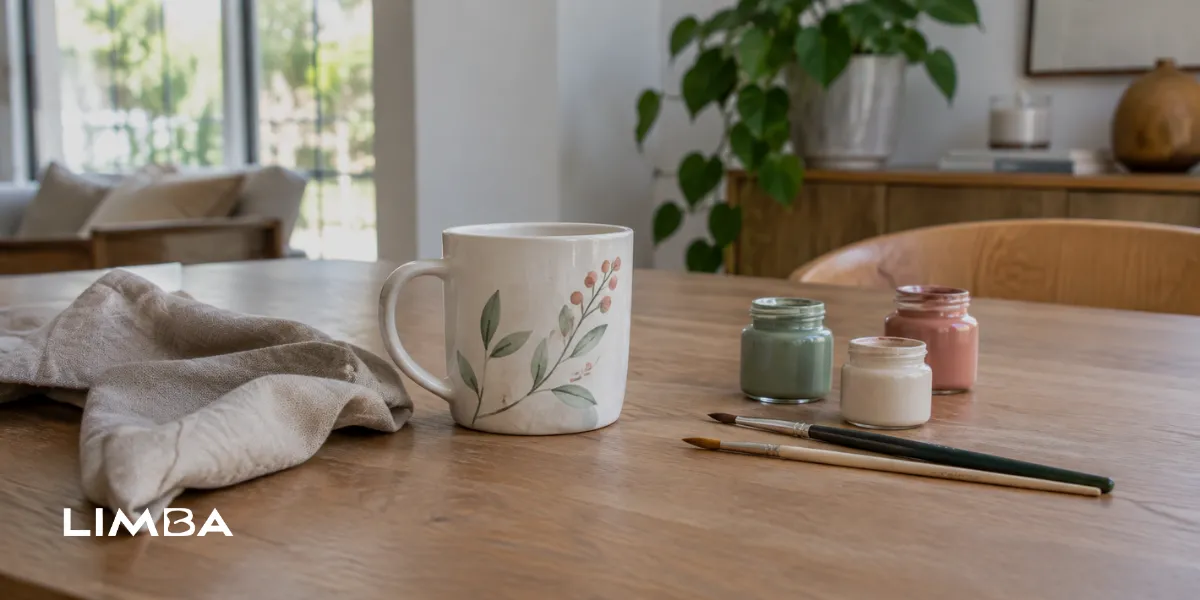
Yes, painting ceramics without a kiln is possible at home, especially when you’re decorating an already- fired ceramic mug, plate, or decorative piece. You can use acrylic paints for decorative projects or specially formulated ceramic paints that cure in a household oven. However, painting ceramics and firing pottery are two different processes. A kitchen oven cannot fire raw clay or produce a traditional ceramic glaze. If you want a mug or bowl that can safely hold food and drinks, the paint, glaze, and firing method matter. The first step is identifying what type of ceramic surface you’re working with.
How to Paint Ceramics at Home Without a Kiln
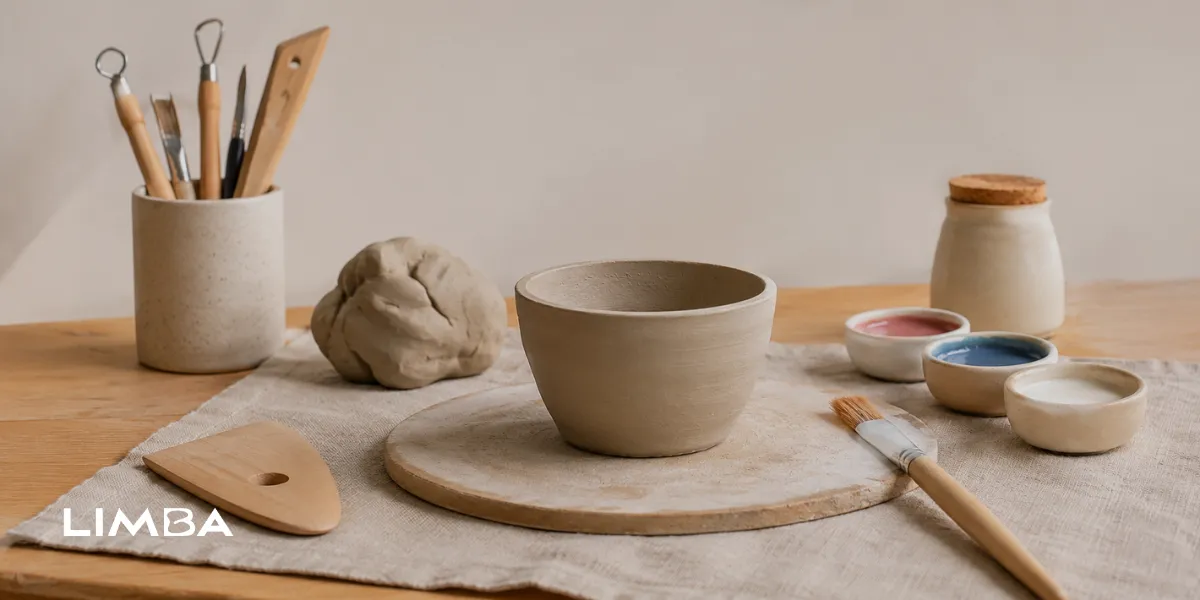
For painting ceramics without a kiln, start with an already fired ceramic mug or plate. The process is straightforward, but your paint must be suitable for the surface you’re decorating.
- Step 1: Choose the right ceramic: Use a finished ceramic mug, plate, or decorative tile. Avoid raw clay, which requires kiln firing to become ceramic.
- Step 2: Select suitable paint: Choose acrylic paint formulated for ceramics if the piece is decorative, or oven curing ceramic paint designed for glazed surfaces. Ordinary acrylic paint should not be used on food-contact areas.
- Step 3: Clean the surface: Remove dust and grease using mild soap and water or a cleaner recommended by the paint manufacturer. Let the ceramic dry completely.
- Step 4: Paint in thin layers: Start with simple patterns and use a soft brush. Hold the mug by its handle or unpainted base to avoid fingerprints. Allow each layer to dry according to the paint instructions.
- Step 5 : Let the paint cure: Follow the manufacturer’s drying or oven curing instructions. Never assume all ceramic paints require the same temperature or drying time.
- Step 6 : Check before using: Keep painted areas away from food, drinks, and the drinking rim unless the manufacturer explicitly approves that application.
A practical option from Limba: Our Mug Painting Box includes a ceramic mug, four underglaze colors, a brush, sponge, and mixing palette. You can complete the painting at home, but the underglaze requires professional kiln firing to finish the mug.
Ceramic Painting Tips for Better Results at Home
Small adjustments in how you hold the ceramic, apply paint, and let it dry can make a noticeable difference.
- Keep your hands off painted areas: Hold mugs by the handle or base to avoid fingerprints and smudges. Use less paint on the brush: Two thin coats usually give better control than one thick coat and reduce visible brush marks.
- Start with lighter colors: When using compatible paints, lighter shades are easier to layer over than dark colors.
- Use a sponge for smooth coverage: Gently dab large areas instead of dragging a brush repeatedly across wet paint.
- Leave the rim unpainted: Keep paint away from the drinking edge and inside the mug unless it is specifically certified for food contact.
- Test your colors first: Paint a small sample on a similar ceramic surface. Some colors change in appearance after drying or curing.
Limba Studio Tip: When painting a mug, I prefer to finish the handle last. That way, I can rotate the mug comfortably without touching the fresh design.
Can You Use a Kitchen Oven Instead of a Pottery Kiln?
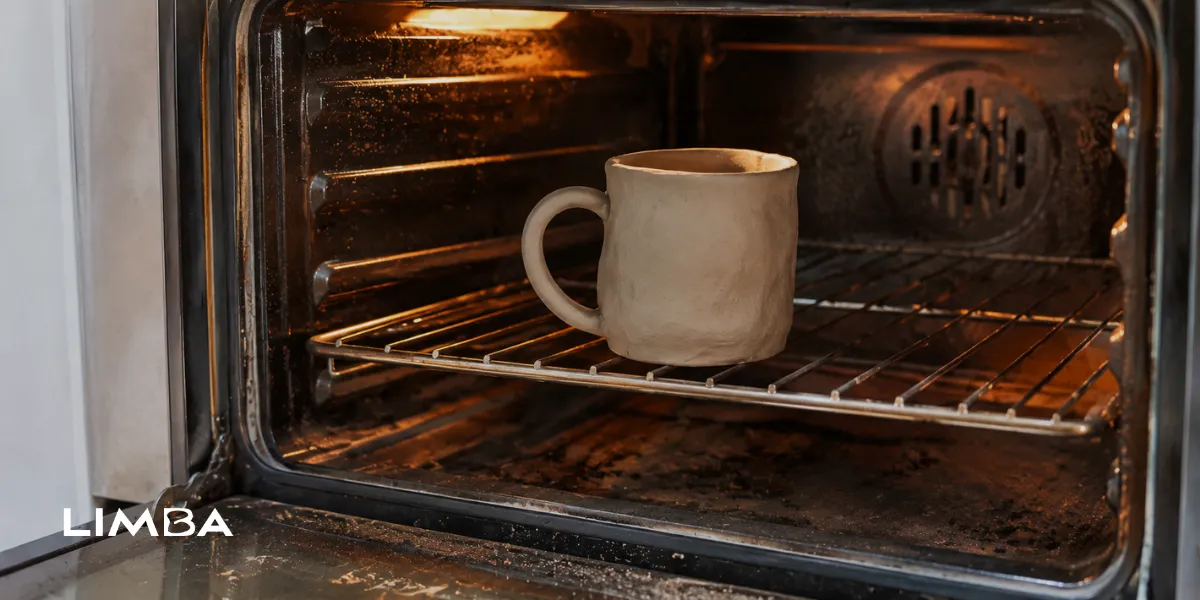
A kitchen oven can cure certain ceramic paints, but it cannot fire raw clay or traditional ceramic glazes. For example, Pébéo Porcelaine 150 requires 24 hours of drying, followed by 35 minutes at 150°C (300°F). This applies only to compatible paints and surfaces, not all ceramic projects.
If you’re painting with underglaze or want a professionally glazed finish, kiln firing is necessary. At Limba, our bisque ceramic painting in Dubai allows you to decorate a pre-fired ceramic piece while our team handles the final glazing and firing.
Important: Oven-cured paint is not automatically food-safe. Always follow the manufacturer’s instructions and keep paint away from food-contact surfaces unless explicitly approved.
LIMBA STUDIO / AT-HOME GUIDE
Ceramic Paint Rescue Tool
What's going wrong with your ceramic paint? Select the problem to find a practical fix.
Paint beads up
Why it happens
The paint isn't wetting the surface properly. Glossy glaze, oil, or a paint-surface mismatch may be responsible.
Fix this piece
Stop adding layers. Remove the failed coating according to the paint instructions, clean the surface, and test a small patch.
Prevent it next time
Use paint specifically rated for glazed ceramics. Clean and dry the piece before starting.
Note: Always follow the paint manufacturer's instructions. A repaired decorative finish is not automatically food-safe.
Ceramic Painting Mistakes to Avoid
A few common mistakes can cause ceramic paint to peel, fade, or lose its finish.
- Skipping surface cleaning: Oil and fingerprints prevent paint from sticking properly, especially on glazed ceramics.
- Using regular markers: Most permanent markers aren’t designed for ceramics and can wash off.
- Mixing different paints: Acrylic, underglaze, and oven-bake paints have different curing requirements and shouldn’t be mixed without checking compatibility.
- Heating unsuitable ceramics: Not every mug or plate is oven-safe. Check before placing it in the oven. Applying regular sealant: Craft sealants don’t automatically make painted surfaces safe for food contact.
- Washing too early: Let the paint fully cure and avoid dishwashers unless the manufacturer confirms compatibility.
Which Ceramic Painting Method Is Best for You?
The best method depends on how you plan to use your finished piece. Before buying paint, decide whether your ceramic will be decorative or used for food and drinks.
Your Project Best Method Kiln Needed?
Decorative vase or ornament Acrylic paint on fired ceramics No
Painting the outside of a finished mug Compatible oven-cure ceramic paint No
Painting bisque pottery with underglaze Underglaze followed by glazing and firing Yes
Making a functional bowl from raw clay Ceramic glaze and professional firing Yes
Our advice at Limba: For a decorative project, painting at home is practical. For everyday tableware, professional glazing and kiln firing provide a more durable ceramic finish.
Do You Really Need a Kiln?
You don’t need a kiln to paint an already-fired ceramic piece at home, especially for decorative projects. However, if you want to make pottery from raw clay or create a traditional glazed finish, kiln firing is essential.
At Limba, we recommend choosing your painting method based on how you intend to use the finished piece, not just how you want it to look.
Want to see more from Limba?
Add Limba Studio as a preferred source on Google for more pottery guides, creative ideas and studio stories.

FAQ
Can I use acrylic paint on glazed ceramics without firing?
Yes, but only for decorative purposes. Choose acrylic paint formulated for ceramics, clean the glazed surface thoroughly, and follow the manufacturer's curing instructions. Ordinary acrylic paint may peel from smooth glaze and should not be applied to food-contact areas.
Can I dry ceramic paint with a hair dryer instead of an oven?
A hair dryer may speed up surface drying, but it cannot replace the curing process required by oven-bake ceramic paints. If the product specifies oven curing, follow its temperature and timing instructions. Underglazes still require a pottery kiln.
How long should I wait before washing a painted ceramic mug?
Wait until the paint has fully cured according to its manufacturer's instructions. Some paints require several days, while others need controlled oven curing. Even after curing, wash the mug gently by hand unless the paint is specifically rated as dishwasher-safe.
Can I make a usable coffee mug from air-dry clay?
No. Air-dry clay is suitable for decorative objects, but it does not become fired ceramic and is generally unsuitable for holding hot drinks. To create a functional pottery mug, use appropriate ceramic clay, glaze, and professional kiln firing.
Why does paint peel off glossy ceramic surfaces?
Glossy glaze provides a smooth, non-porous surface that some paints struggle to grip. Grease, thick paint layers, and incomplete curing make peeling more likely. Clean the ceramic, choose paint approved for glazed surfaces, apply thin coats, and allow the finish to cure fully.
ALSO READ:Buying Ceramic Paint in Dubai 7 Things to Check First

Layla · CEO and Owner of Limba Studio, a brand dedicated to high-quality ceramic solutions that blend modern design, durability, and professional standards.