Workshops

What to Wear to a Pottery Workshop?

What to Wear to a Pottery Workshop

What to Wear to a Pottery Workshop is a simple question, but the right answer can make your whole pottery experience more comfortable, relaxed, and enjoyable. For a pottery workshop, wear clothes that allow easy movement, feel comfortable while sitting, and can handle a little clay or water.

A soft T-shirt, casual top, relaxed trousers, jeans, or leggings usually works well. The goal is not to dress too carefully, but to choose an outfit that lets you focus on shaping clay without worrying about stains, tight sleeves, or uncomfortable shoes.

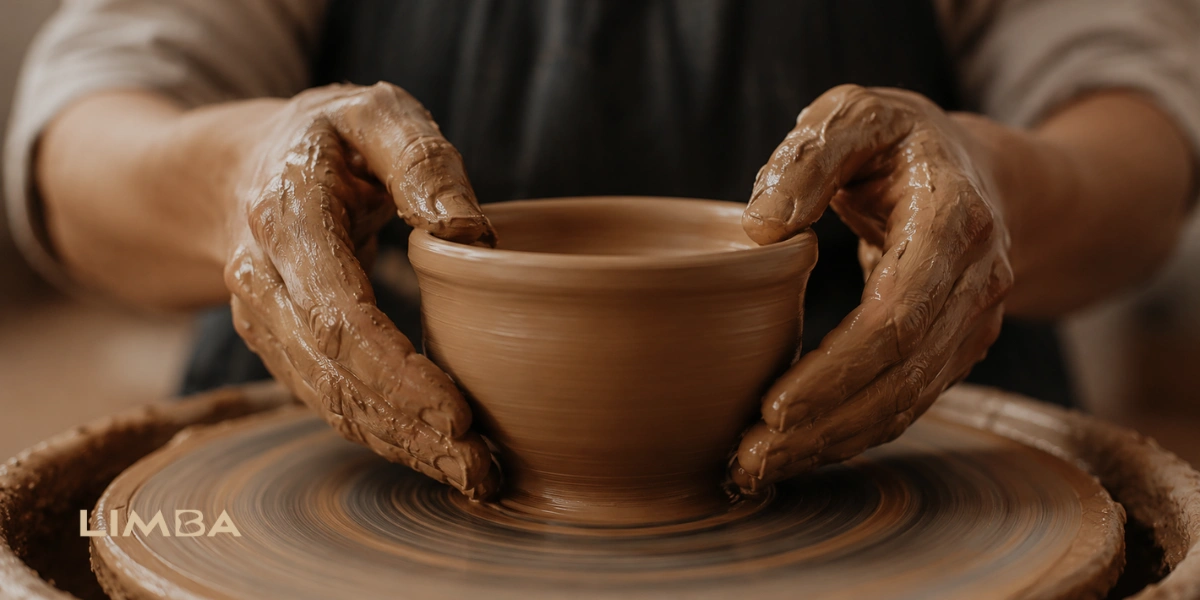
A pottery workshop is hands-on from the first few minutes. You may sit at a table, work with wet clay, use your hands often, and move between tools, shelves, and washing areas.

This means your outfit should feel practical but still presentable, especially if you want to take photos after the session. Neutral colors, simple layers, and clothes that are not too loose around the wrists usually work better than delicate fabrics or formal outfits.

This guide will give you an honest look at what to wear to a Pottery Workshop, including clothes, sleeves, shoes, nails, accessories, light colors, and how to feel ready for photos after class. The aim is to help you arrive prepared, feel confident during the session, and enjoy the creative process without overthinking your outfit.

0%
outfit ready

What to Wear to a Pottery Workshop

Tick what your outfit already has and see if you are ready for clay, movement, and photos after class.

Start here: choose an outfit that feels comfortable while sitting and can handle a little clay or water.

What Clothes to Wear to a Pottery Workshop for Easy Movement?

After choosing an outfit that feels comfortable, the next step is understanding which clothes actually work best during a clay session. What to Wear to a Pottery Workshop is not only about avoiding stains. It is also about choosing clothes that help your hands, arms, and body move naturally while you shape, press, roll, or paint clay.

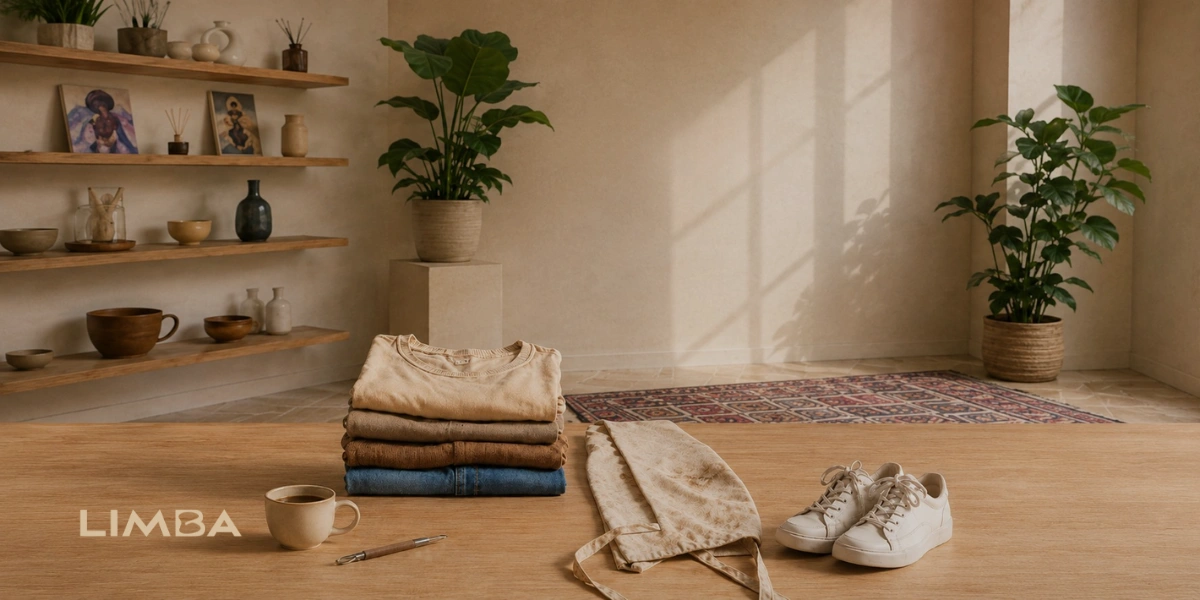
If you are planning your session at Limba Studio, this kind of outfit choice fits the experience well because the workshop is creative, hands-on, and still comfortable enough for a relaxed studio setting. A good pottery outfit should feel relaxed but not messy. A simple cotton T-shirt, a casual blouse, a soft knit top, or a comfortable shirt can all work well, as long as the fabric is not too delicate.

Very expensive fabrics, silk pieces, heavy jackets, or clothes that need special cleaning are better left for another day. Clay usually washes out, but pottery workshops involve water, tools, and repeated hand movement, so practical clothing is always the safer choice.

Sleeves matter more than many beginners expect. Long, wide, or loose sleeves can touch wet clay, drag across the table, or get in the way while you are working. If you wear long sleeves, choose something you can easily roll up and keep in place. Short sleeves or fitted sleeves are often easier because they keep your wrists free.

This is why the best answer to What to Wear to a Pottery Workshop starts with comfort, movement, and sleeve control. When your clothes are simple and your arms can move freely, the workshop feels easier, cleaner, and more enjoyable.

What to Wear to a Pottery Workshop

Pottery Workshop Shoes and Outfit Tips

Once your clothes and sleeves are practical, the next part of What to Wear to a Pottery Workshop is choosing the right shoes and colors. A pottery class is usually calm, but you may still walk between your seat, the washing area, drying shelves, tools, and display space. Closed-toe shoes are usually the safest and most comfortable option because they protect your feet better than sandals and feel more stable if the floor gets slightly wet.

Simple sneakers, flat shoes, or comfortable loafers work well. High heels, delicate sandals, open slippers, or shoes with slippery soles are better to avoid. They may look nice at the beginning, but they can become uncomfortable during a hands-on session. If you are joining a pottery workshop in Dubai, where many people like to arrive dressed neatly for photos or café-style experiences, clean and simple shoes are a good balance between comfort and appearance.

Color also matters. Light colors can look beautiful in photos, but they may show clay marks faster. This does not mean you must avoid white, beige, cream, or pastel tones completely. It simply means you should choose pieces you are comfortable using in a creative space. Darker neutrals, denim, olive, grey, or soft earthy colors are often easier for beginners.

The most reliable answer to What to Wear to a Pottery Workshop is to avoid anything too formal, too delicate, too slippery, or too hard to clean. A practical outfit still can look polished, but it should never stop you from enjoying the clay.

Nails and Accessories

After choosing practical shoes and clothes, the next detail in What to Wear to a Pottery Workshop is how prepared your hands are. In a modern pottery workshop, you may use smooth clay, clean tools, pottery wheels, shaping equipment, carving tools, and glazing materials. The experience feels creative and stylish, but your hands still do most of the work. That is why nails and accessories can affect how comfortable the session feels.

Short or medium-length nails are usually easier for pottery. Very long nails can press into the clay, make shaping harder, or collect clay underneath. If you have fresh nail polish or nail art, it is better to know that clay, water, and repeated handwashing may affect the finish. You do not need perfect hands for a class, but you should feel comfortable using them freely.

Accessories should also be simple. Rings, bracelets, watches, and loose bangles can get in the way while your hands move around clay or tools. It is better to remove valuable or delicate pieces before the session, especially if they are hard to clean. Small earrings or simple accessories are usually fine if they do not disturb your movement.

A helpful answer to What to Wear to a Pottery Workshop should include these small details because they make the real experience easier. When your hands are ready, your nails are practical, and your accessories are simple, you can enjoy the workshop without stopping to fix, clean, or protect something every few minutes.

Pottery Outfit Checklist

Tick each item before your pottery workshop.

Workshop readiness 0/5 checked
Best choice: simple, comfortable, clay-friendly, and photo-ready.

You are ready!

You are ready for your pottery workshop.

Ready for Photos After Class

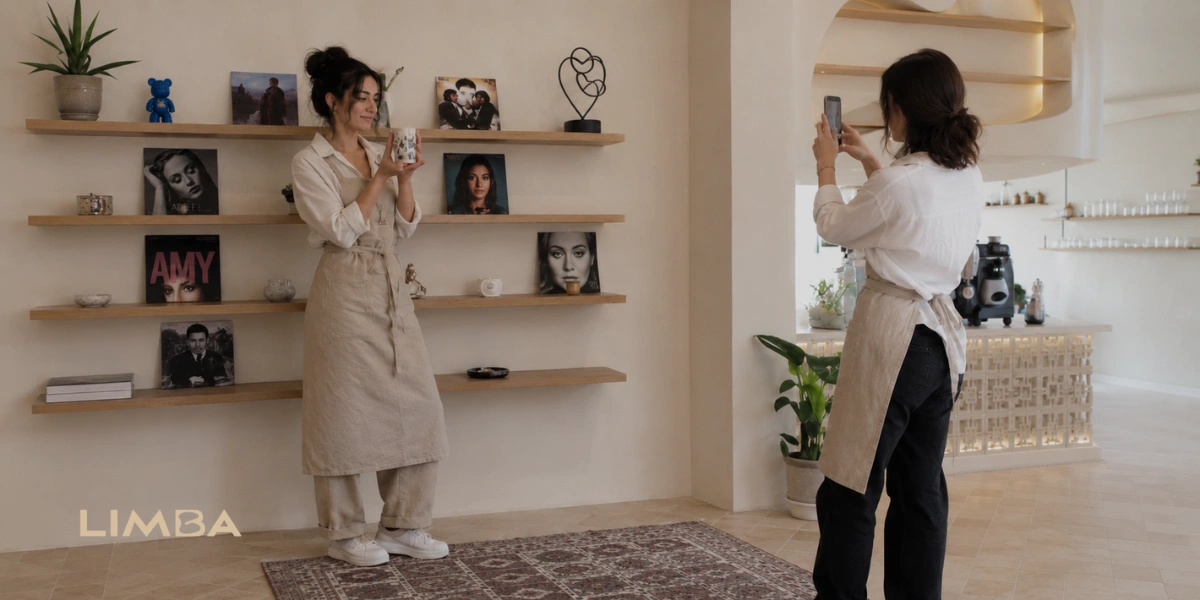
The final part of What to Wear to a Pottery Workshop is thinking about how you will feel after the session ends. Many people like to take photos with their finished clay piece, beside the pottery wheel, or inside the studio after class. Your outfit does not need to be perfect, but it should still make you feel comfortable and confident when the workshop is over.

A simple way to prepare is to wear clothes that look neat even after small clay marks. You can also bring a light layer, fix your hair easily, and keep your accessories simple enough to put back on after washing your hands. This makes the experience feel more relaxed, especially if the pottery workshop has a modern studio setting where photos are part of the memory.

What to Wear to a Pottery Workshop is not about dressing perfectly. It is about feeling ready for the clay, the tools, the movement, and the photos afterward. When your outfit supports the experience instead of distracting from it, you can enjoy the workshop from the first touch of clay to the final picture.

Frequently Asked Questions

Can I wear white or light colors to a pottery workshop?

Yes, you can wear white, cream, beige, or other light colors, especially if you want a clean look for photos. The safer choice is to wear light clothes that are easy to wash and not too delicate, because clay and water may touch your outfit during the session.

What shoes are best for a pottery workshop?

Comfortable closed-toe shoes are usually the best option. Sneakers, flat shoes, or simple loafers work well because they protect your feet and feel stable while moving around the studio. High heels, slippery sandals, and open slippers are better to avoid.

Should I cut my nails before a pottery class?

You do not have to cut your nails completely, but short or medium-length nails make the experience easier. Very long nails can press into the clay, collect clay underneath, or make shaping harder, especially when using the pottery wheel or small tools.

Can I wear rings, bracelets, or a watch during pottery?

It is better to remove rings, bracelets, watches, and delicate accessories before the session. Pottery is hands-on, and accessories can get clay on them, disturb your movement, or become harder to clean afterward. Simple earrings are usually fine if they do not get in the way.

How can I dress nicely and still be ready for clay?

Choose a simple outfit that looks neat but still feels practical. A comfortable top, easy sleeves, relaxed trousers, and clean closed-toe shoes can look good in photos while still letting you enjoy the clay. You can also bring a light layer to wear after washing your hands at the end of the workshop.

ALSO READ:Indoor Team Building Activities in Dubai

Leave a Reply

Your email address will not be published. Required fields are marked *