Blog
How Drinking Coffee From a Handmade Cup Affects Mood?

Drinking coffee from a handmade cup can shift the mood of the entire morning. The cup feels more intentional, more personal, and less disposable than a typical factory mug. Because it invites you to slow down, the ritual becomes calmer and more grounded. Instead of rushing, you tend to pause, inhale the aroma, and enjoy the first sip with more attention. Prices for well-made cups usually begin around $25, and many people describe this as an investment in their daily comfort rather than just another kitchen item.
Over time, the cup becomes familiar the way it warms your palms, the way it sits on the table, the subtle differences in shape. Those small sensory cues signal to the brain that it is time to slow down. The repetition of that signal, day after day, creates a predictable routine that stabilizes mood. People often notice they speak softer, breathe deeper, and begin their day from a calmer baseline before responsibilities start piling up.
Why Handmade Coffee Mugs Feel Better in Your Hand
A handmade cup feels different because it is shaped by human hands, not pressed in identical molds. The subtle curves, slight asymmetry, and thoughtful proportions let your hand wrap naturally around it. There is a grounded sensation that lighter factory mugs usually lack. In the $28–$40 price range, many cups achieve exactly this balance between comfort and durability.
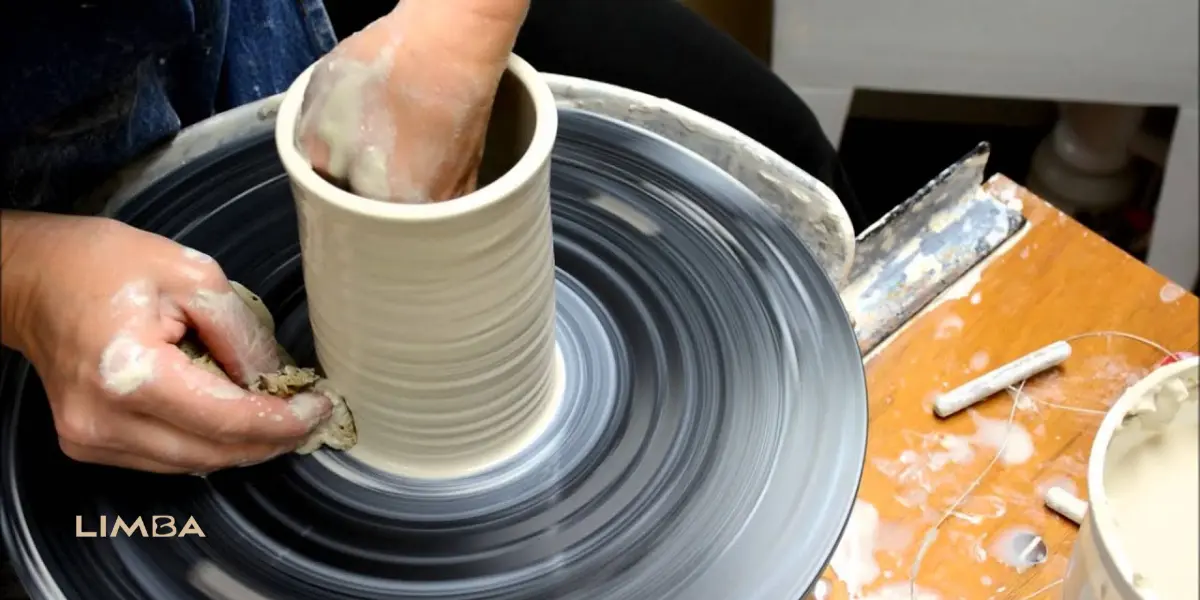
Texture plays a big role too, with subtle ridges or matte surfaces adding to the hold. Coffee stays warmer longer in a handmade cup because of thicker walls. Potters often shape them using pottery on the wheel for that organic fit. Users say this makes their daily brew feel more intentional and calming.
How a Handmade Cup Subtly Changes Your Mood
Small physical details alter how your brain experiences coffee — without you noticing.
Grip & Texture
Handmade cups have micro-variations in surface and curve. Your hand receives constant tactile feedback, creating a grounded, calmer sensation compared to uniform factory mugs.
Heat Retention
Thicker ceramic walls stabilize temperature. Coffee stays warm longer, removing the urgency to drink fast or reheat — both known to increase mental friction.
Perceived Heaviness
A heavier handmade cup triggers a subconscious sense of stability. This encourages pauses instead of rushed drinking, subtly reducing morning irritability.
Unique Glaze
Irregular glaze patterns catch light differently every day. That micro-novelty keeps the ritual visually engaging and prevents habituation.
Taste and Enjoyment
Ceramic from handmade cups does not add flavor, so the coffee tastes clean and authentic. Because heat is distributed evenly rather than concentrated in one spot, the aroma opens gradually, allowing the drinker to notice sweeter, rounder notes. The rim is usually polished smooth, making each sip feel deliberate and comfortable. Cups in the 12-ounce range typically cost about $35, yet they deliver a noticeable difference in experience.
People often begin paying more attention to the cup, the coffee, and themselves. They start noticing temperature changes, aroma layers, and mouthfeel. That attention naturally becomes mindfulness. Even if the coffee recipe stays the same, the ritual becomes richer almost like the cup invites you to treat the moment with respect.
The Weight
Most handmade cups are intentionally heavier. This is not accidental potters design weight to slow the hand and encourage control. When something has weight, your brain assigns value to it. You lift it more carefully, move more slowly, and become present for the moment. Entry-level heavy stoneware usually starts around $30, while higher-end balanced designs may reach $50 or more.
Users often say they feel steadier while drinking. The cup doesn’t feel fragile or cheap; it feels like an object meant to stay with you for years. That sense of permanence subtly affects mood. Instead of rushing, your body relaxes, shoulders drop, and the act of drinking becomes grounding. Over weeks, that repetition can create calmer mornings overall.
Mood Timeline: From First Touch to Last Sip
A handmade cup changes the pace of the ritual. Pace changes mood.
-
1
First Touch
Weight and micro-texture register immediately. The brain interprets it as a more “serious” object, which naturally slows your movement.
Trigger: tactile feedback Effect: slower grip -
2
Heat Stability
Thicker walls keep coffee warm for longer. Less urgency means fewer rushed sips, fewer interruptions, and a smoother mood curve.
25–35 min warm Less reheat stress -
3
Taste Attention
Ceramic doesn’t interfere with flavor. Better aroma perception makes you pay attention, and attention turns drinking into a short, mindful pause.
Cleaner taste More mindful sipping -
4
Visual Micro-Novelty
Unique glaze variations keep the ritual visually fresh. Small novelty reduces “autopilot mode,” which is strongly linked to morning irritability.
Glaze reflection shifts Less habituation -
5
Last Sip = Settled Mood
The whole routine becomes less rushed. That’s the real mechanism: not magic, just a slower ritual that ends with a more composed baseline.
Outcome: calmer baseline Routine feels intentional
Unique Glazes
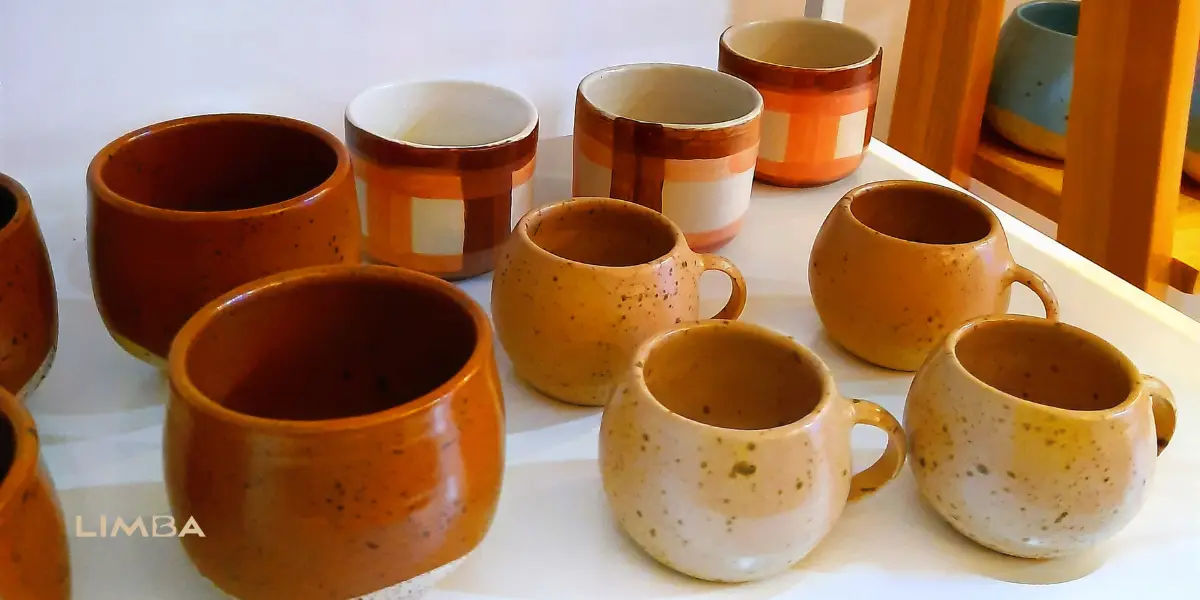
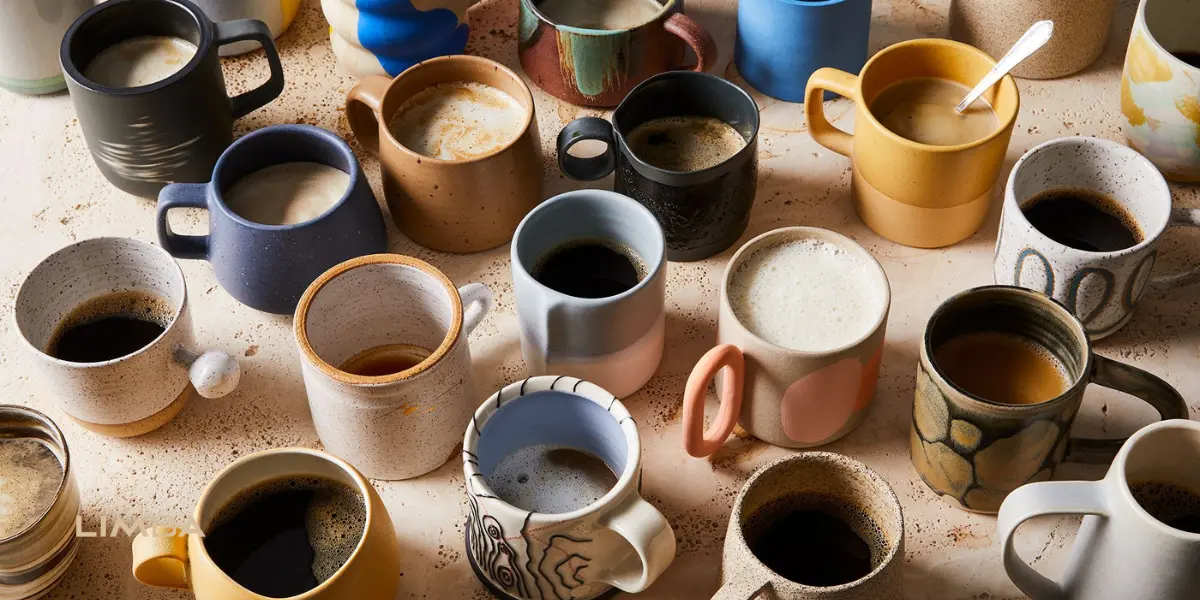
Every handmade cup carries a glaze that behaves almost like a fingerprint impossible to duplicate exactly. Layers of minerals melt differently in the kiln, producing tiny variations in color, shade transitions, speckles, and subtle drips. These imperfections are what make the piece feel alive. Cups in the $40–$60 range often show deep character, where each glance reveals something slightly different.
Over time, glazes evolve. The surface grows softer from years of washing and handling. Areas you hold most often become gently polished by your fingers. Light reflects differently across the surface depending on the time of day. These changes create a sense of story: you are not just using an object you are living with it. Many people find this emotional continuity comforting, almost like returning to a familiar place each morning.
Handmade vs Factory Mugs
Factory mugs succeed in efficiency. They are light, identical, easy to stack, and usually cost $5–$18. But their purpose is speed not connection. Clay is kept thin to reduce cost, and heat escapes quickly, meaning coffee cools in 10–20 minutes.
Handmade cups are different in intent. They are thicker, heavier, and shaped for warmth retention. The clay body and firing temperature are chosen to hold heat for 25–35 minutes. The handle is placed thoughtfully to balance weight in the hand. Instead of feeling generic, each cup has individuality something your mind recognizes and responds to. Over months, the handmade cup doesn’t just serve coffee. It becomes part of routine memory: mornings, conversations, quiet breaks, and personal pauses. That kind of continuity rarely happens with mass-produced items.
comparison table:
| Feature | Handmade Cup | Factory Mug |
|---|---|---|
| Heat Retention | Stays hot 25-35 minutes | Cools in 10-20 minutes |
| Hand Feel | Comfortable weight and texture | Often light and uniform |
| Price Range | $25-70 | $5-18 |
| Uniqueness | Individual glaze and shape | Mass-produced identical |
| Longevity | Resists chips better | More prone to damage |
Handmade Cup vs Factory Mug
Same coffee, different container — very different mood outcome.
Handmade Cup
Factory Mug
Real User Stories About Switching to Handmade Cups
Many coffee enthusiasts share that switching to a handmade cup changed how they approach mornings. One person purchased a $45 cup while working remotely and noticed they stopped drinking at their desk and instead sat by a window. Another started using a locally made $32 cup and found themselves intentionally taking five quiet minutes before opening emails.
Long-term owners describe emotional attachment. On stressful days, simply holding the familiar handle acts as a reminder to pause. Over time, the cup becomes associated with reflection, stability, and quiet things most people need more of.
Best Shapes for Comfortable Handmade Coffee Cups
Tapered tops lift aroma toward the nose, enhancing taste perception. Wider bases increase stability on desks, especially near electronics. Handles shaped with curves and thicker joints keep heat from reaching fingers. Well-designed cups in the $30–$48 range provide ergonomic support you can feel immediately.
Some potters create resting grooves for thumbs, sculpted indentations for knuckles, or slightly inward-curving rims to guide each sip. When the hand and cup cooperate naturally, the body relaxes. Drinking slows. Attention deepens. The cup becomes an extension of gesture rather than something you have to manage.
Why Heat Retention in Handmade Cups Changes Everything
Tapered shapes in handmade cups direct aroma upward while fitting hands well. Wide bases add stability on desks or tables. Handles curve naturally for easy holding without heat transfer. Classic shapes in 10-14 oz sizes cost $30-48.
Ergonomic designs with thumb rests make longer sips comfortable. Potters refine these for better balance in a handmade cup. Choosing one that suits your grip improves the whole experience. It encourages lingering over coffee instead of rushing.
Handmade Cup — Quick Data Cards
Key numbers that explain why mood changes with the cup, not just the coffee.
-
Price
Typical Handmade Range
A solid handmade cup usually starts at $25 and scales with glaze, clay type, and handle work.
$25–$70Best value zone is often $30–$50.
-
Heat
Warmth Retention Window
Thicker ceramic walls slow down cooling, reducing reheats and the “rush-to-finish” feeling.
25–35 minFactory mugs often drop to 10–20 minutes.
-
Size
Most Loved Capacity
The common sweet spot is a 10–14 oz cup: enough coffee, still comfortable to hold.
10–14 ozAround 12 oz is the everyday default.
-
Shape
Ergonomic Forms
Tapered top directs aroma upward; wide base stabilizes the cup; curved handle reduces heat transfer.
Grip-firstThumb rests are underrated for comfort.
-
Mood
Why Heavier Feels Calmer
Extra weight encourages pausing. Less gulping means a slower morning baseline.
Pause cueStoneware often balances weight + durability best.
-
Where
Where People Buy
Etsy dominates selection; local studios win for feel-in-hand inspection before buying.
Etsy + StudiosReviews matter for glaze durability & packing.
Top Places to Buy Quality Handmade Coffee Cups
Etsy remains the go-to for vast selections of handmade cups from independent makers. Prices average $35-50 with shipping included often. Local pottery studios offer pieces you can inspect firsthand. Craft markets have unique finds around $30.
Supporting small potters gets you attentive craftsmanship in each handmade cup. Reviews help spot durable glazes and packing. Online searches yield options matching specific colors or sizes. It’s easy to find one that fits your budget and style.
Simple Care Tips for Your Handmade Cup
Most handmade cups do fine in dishwashers, but hand-washing preserves glaze longer. Avoid sudden temperature changes to prevent cracks. Coffee stains wipe off easily with mild soap. Basic care keeps a $40 piece looking fresh.
Regular use actually enhances the surface on many handmade cups. Store them away from edges to avoid chips. Quick rinses after each coffee prevent buildup. Proper maintenance ensures years of daily enjoyment.
ALSO READ: Why Creative Coffee Spaces Feel More Personal?
Is a Handmade Cup Worth It for Daily Coffee
For regular drinkers, a handmade cup upgrades the experience enough to notice daily. Better feel, taste preservation, and uniqueness add up over time. Most spend $30-60 and don’t switch back. The mood lift comes from those combined details.
Trying one often convinces people of the difference in their coffee breaks. Whether simple or detailed, a quality handmade cup delivers reliably. It’s a straightforward change with lasting payoff. Many wish they’d made the switch sooner. I’ve picked up a few handmade cups over the last couple of years, and they really do make coffee feel nicer each morning. The way one fits my hand and holds heat just right turns a quick drink into a better pause. If you’re on the fence, grab one around $40 – it’s likely to become your go-to, with no looking back to regular mugs.