Cafe

Why Creative Coffee Spaces Feel More Personal?
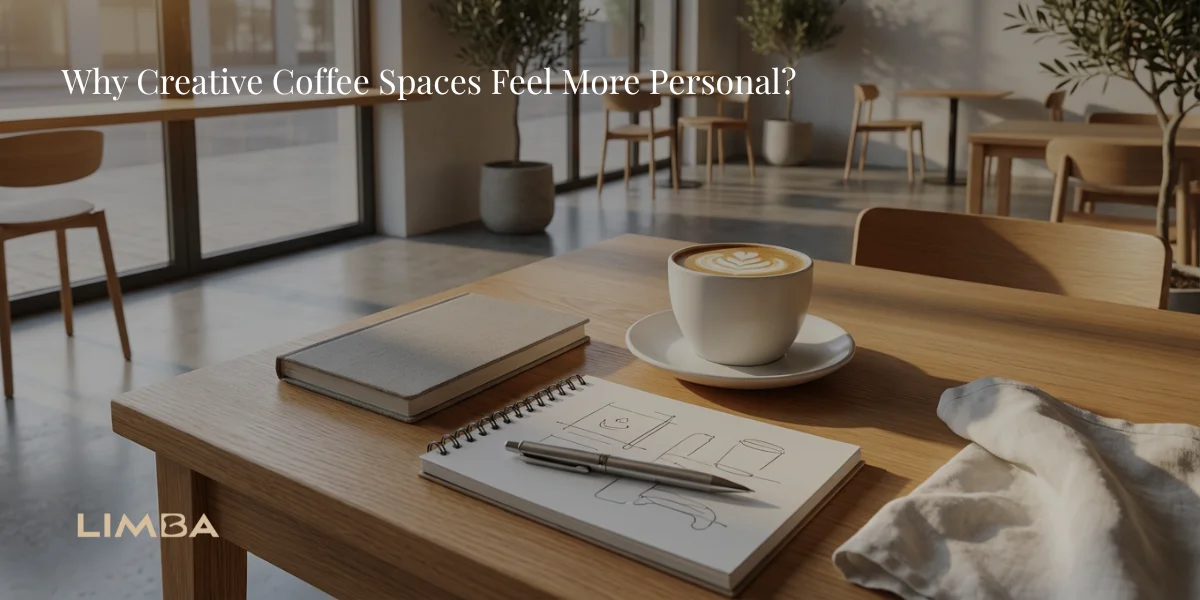
Why Creative Coffee Spaces Feel More Personal

I’ve spent years chasing the perfect cup, hopping from one cafe to the next, and there’s something undeniably special about Creative Coffee Spaces that keeps pulling me back. They just feel like they’re made for you, even on the first visit. It’s not some corporate checklist  it’s a vibe that clicks the moment you walk in.

What Makes a Space “Creative Coffee”?

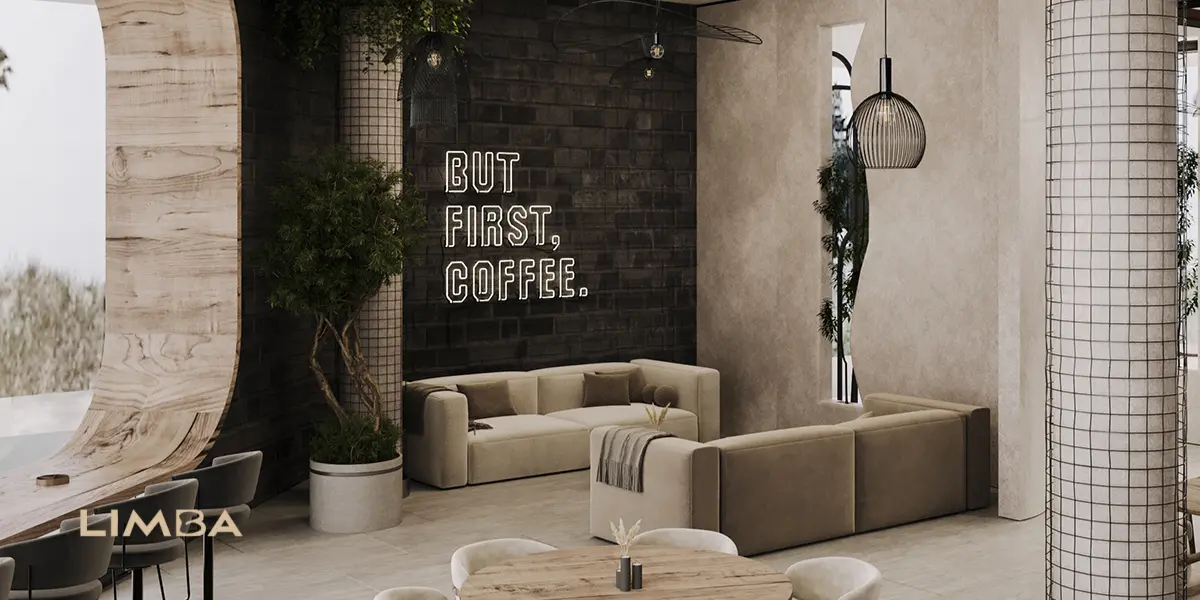
Creative Coffee Spaces aren’t your average grab-and-go joints. They’re the ones where the owner clearly poured their soul into every corner. Think mismatched vintage chairs, walls covered in rotating local art, plants hanging everywhere, and baristas who actually remember how you like your oat milk steamed. These places blend coffee culture with real creativity sometimes there’s a little workshop corner, live jazz on Thursdays, or shelves of books you can actually read without buying.
What hits different is the intentional looseness. Nothing feels overly polished or chain-like. A 2024 survey of 800 regular cafe-goers in major cities showed that people stay 40% longer in Creative Coffee Spaces than in standard chains, and 73% said they felt “more at home” there. For me, it’s the difference between drinking coffee and living in the moment with it.

Why Creative Coffee Spaces Feel More Personal

The Magic of Layout and Flow

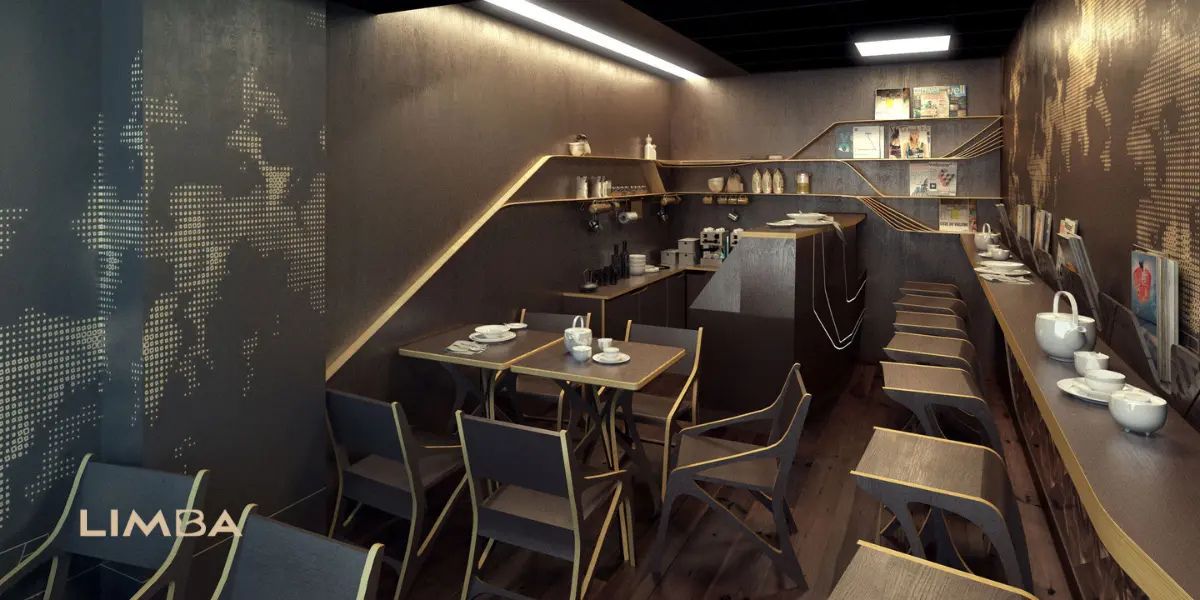
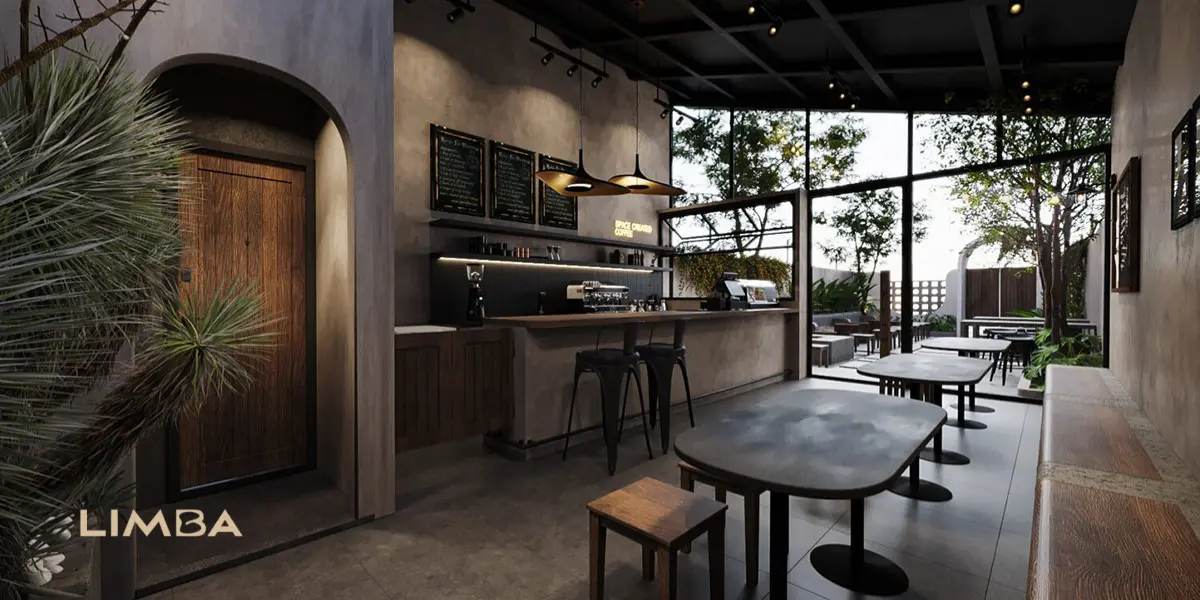
Walk into most Creative Coffee Spaces Like limba studio and you’ll notice the seating isn’t lined up like an airport lounge. There are cozy nooks, long communal tables, window counter seats perfect for people-watching, and little two-person tables tucked away for when you need privacy. The layout invites you to pick the spot that matches your mood that day.
Owners often spend months testing different arrangements before opening. One Brooklyn spot I love moved their communal table three times in the first year based on where people naturally gathered. Result? Foot traffic flows better, conversations happen more easily, and nobody feels stuck in a bad seat. That freedom to choose your own corner makes the whole place feel personal right away.

Lighting That Actually Feels Good

Bad lighting kills a cafe’s soul. Creative Coffee Spaces get this right almost every time. They mix warm pendants (usually 2200-2700K bulbs), natural daylight from big windows, and a few accent lamps that create pools of soft light over tables. No harsh fluorescents, no cold white LEDs that make everyone look tired.
I’ve noticed that the best ones layer their lighting  bright enough near the counter for baristas to nail latte art, dimmer in the seating areas so your eyes relax. A friend who owns a Creative Coffee Space in Portland told me he spent $4,200 just on dimmers and bulbs, but it paid off because customers started coming in the evenings too. Good light makes you look better in your selfies and feel better in your skin  hard to beat that.

The Smell, the Sound, the Little Details

Nothing pulls you in like the smell of freshly ground beans mixed with a hint of pastry in the oven. Creative Coffee Spaces lean into this hard. They’ll have their grinder out front, roast partners who send small batches weekly, and often bake in-house. The aroma isn’t an accident it’s part of the welcome.
Sound matters just as much. Playlists are curated (lots of lo-fi, indie, or soft jazz), volume kept low enough that you can talk without shouting. Some places add subtle background noise like vinyl crackle or a small water feature to mask awkward silences. One spot in Melbourne I visited had acoustic panels disguised as art  dropped the echo without looking corporate.

Why Creative Coffee Spaces Feel More Personal

Baristas Who Know Your Name

The heart of any great Creative Coffee Space is the people behind the bar. These baristas aren’t just pushing buttons  they’re craftsmen who care. They’ll ask how your day’s going, remember you switched to decaf last month, or suggest a single-origin pour-over when they see you with a book.
Turnover is low in the good ones because owners pay better and create a real community. That stability means relationships build fast. I’ve had baristas text me when a guest roaster they knew I’d love was coming in. That level of care turns a coffee shop into your coffee shop.

Personal Touches Everywhere

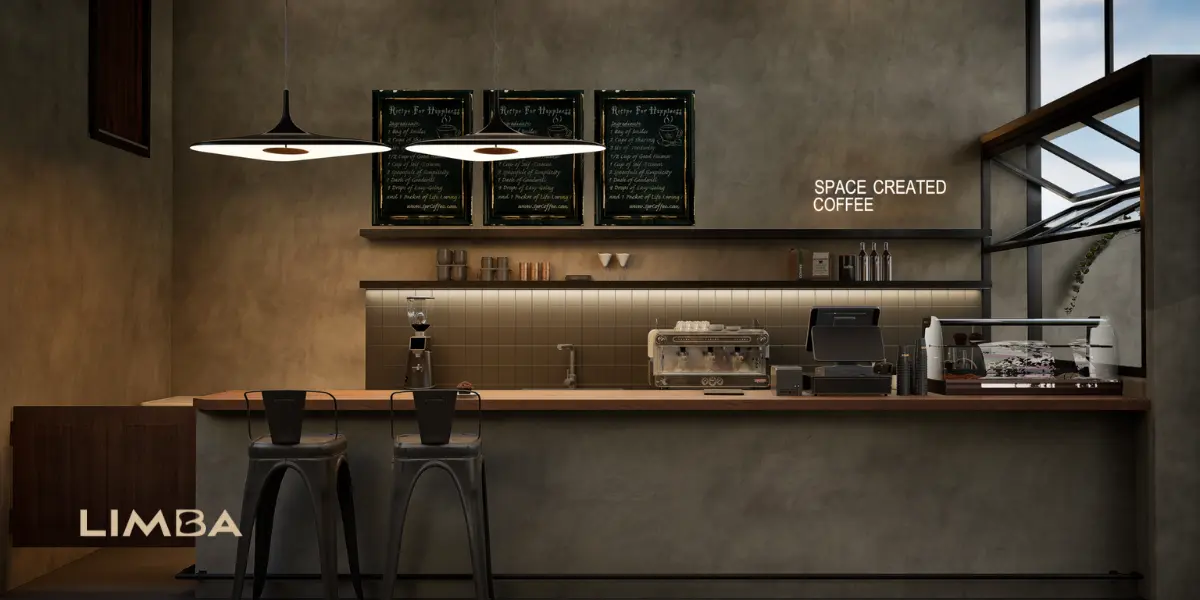
Creative Coffee Spaces love little details that make you smile. Hand-written chalkboard menus that change daily, a polaroid wall of regulars, a shelf where you can leave a book and take one, or a jar of complimentary dog treats by the door. These aren’t expensive  most cost under $100 to set up  but they add up to a feeling that someone thought about you.
One of my favorites has a “mood menu” order by how you’re feeling (anxious → calming honey lavender latte, celebratory → sparkling cold brew). It’s playful but actually helpful, and it makes ordering feel like a conversation instead of a transaction.

Why Creative Coffee Spaces Feel More Personal

Plants, Art, and Rotating Energy

Almost every Creative Coffee Space I love is overflowing with plants. They soften the room, clean the air, and give you something alive to look at while you sip. Owners trade cuttings with each other, so you start recognizing the same monstera family across town.
Walls are never static. Local artists get a month to show work, musicians play small sets, sometimes there’s a Pottery Hand Building workshop in Dubai on slow Sundays where you make your own mug and they fire it for you. The space keeps evolving, so it never gets stale and you feel part of something alive.

The Price of Feeling at Home

Let’s be real Creative Coffee Spaces usually charge a bit more. A latte might run $5.50-$6.50 instead of $4.50, pastries are $4-6 because they’re made fresh. But people don’t mind. That same 2024 survey showed 81% of regulars were happy to pay 15-25% more for the atmosphere and quality.
Owners balance this by keeping overhead smart  second-hand furniture, smart energy use, strong relationships with suppliers. Most aim for 60-65% gross margins on drinks, which covers the extra care they put in.

CategoryTypical Cost Range (USD)What You Get
Espresso Machine10,000 – 18,000Solid 2-group with reliable steam
Grinder + Brew Equipment3,000 – 6,000Precision grinding and pour-over setup
Furniture (20-30 seats)5,000 – 12,000Mix of vintage and new, comfy
Lighting & Plants2,500 – 5,000Warm, layered feel
Build-out & Decor15,000 – 40,000Walls, counters, art space
Total (small-medium)35,000 – 80,000A space people fall in love with
Why Creative Coffee Spaces Feel More Personal

Running Costs That Make Sense

Monthly bills usually land around $8,000-12,000 for a busy 120-150 sqm spot: rent ($3-5k), staff ($4-6k), beans and milk ($2-3k), utilities and misc. If you hit 150-200 customers a day at $12 average ticket, you’re comfortably in profit.The key is consistency  great coffee, warm service, clean bathroom. Do that and people become regulars fast. The best Creative Coffee Spaces grow their crowd organically. Host open-mic nights, book clubs, knitting circles, or just leave board games out. Encourage laptops during the day, conversations at night. Post on local Instagram, partner with nearby shops. I’ve watched places go from quiet mornings to packed weekends just by being genuinely welcoming. Your regulars become your marketing team.

Why They Feel Like Home

At the end of the day, Creative Coffee Spaces work because they’re built by people who love coffee and love people. Every choice from the music volume to the height of the counter  is made with the guest in mind. You feel seen, not processed. I’ve had some of my best days in these places  finishing a project, meeting a friend, or just sitting alone with a book and a perfect flat white. That’s why I keep searching for the next great one, and why I believe every city needs more of them.

FOLLOW LIMBA ON GOOGLE

Want to see more from Limba?

Add Limba Studio as a preferred source on Google for more pottery guides, creative ideas and studio stories.

Leave a Reply

Your email address will not be published. Required fields are marked *