Blog
What Makes a Good Café Experience? It’s Not Only About Coffee
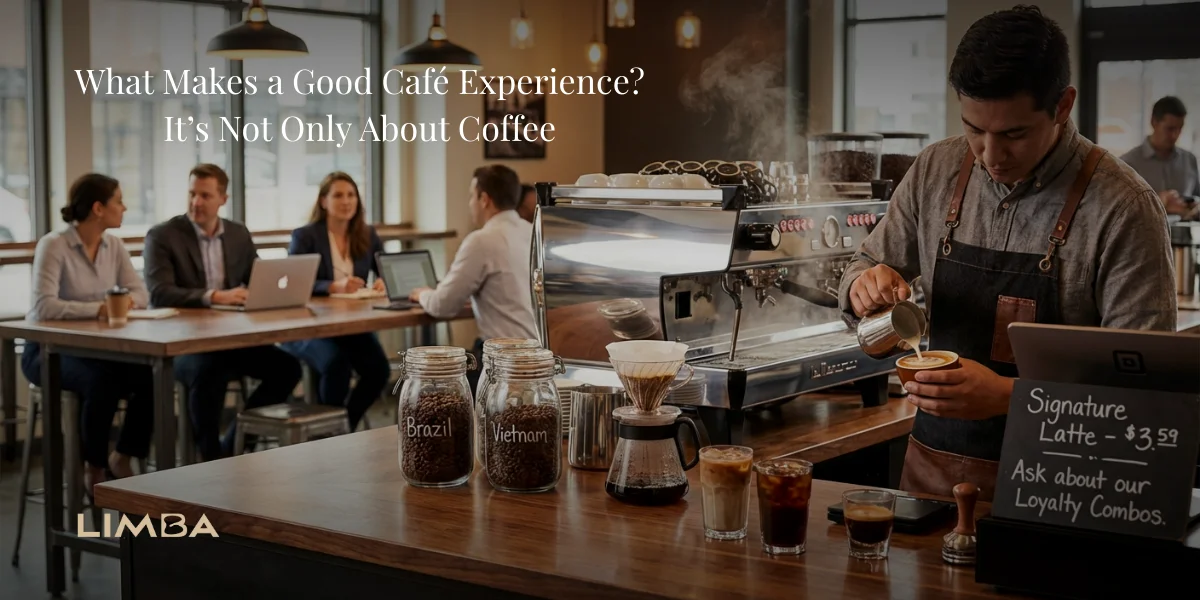
When you step into a café, the aroma of freshly ground beans hits you first, but a truly memorable visit goes far deeper. Customers today seek places where every detail aligns to create satisfaction, from the sourcing of ingredients to the subtle hum of conversation around them. In fact, studies show that over 70% of repeat visits stem from elements like layout and staff demeanor rather than just the drink itself. This is what defines a good café experience it’s a blend of tangible and intangible factors that make you linger longer. And in bustling urban spots, cafés often host corporate events in Dubai, turning them into versatile hubs for networking over lattes.
Pricing plays a pivotal role too, with average coffee costs hitting $3.59 per cup in 2026 due to rising bean tariffs from Brazil and Vietnam. Yet, savvy owners balance this by offering value through combos or loyalty perks. A good café experience isn’t about cheap thrills; it’s about perceived worth that justifies every dollar spent. Owners who ignore this risk losing patrons to competitors who nail the formula. Ultimately, understanding these layers can transform a simple stop into a daily ritual.
Core Beverage Offerings
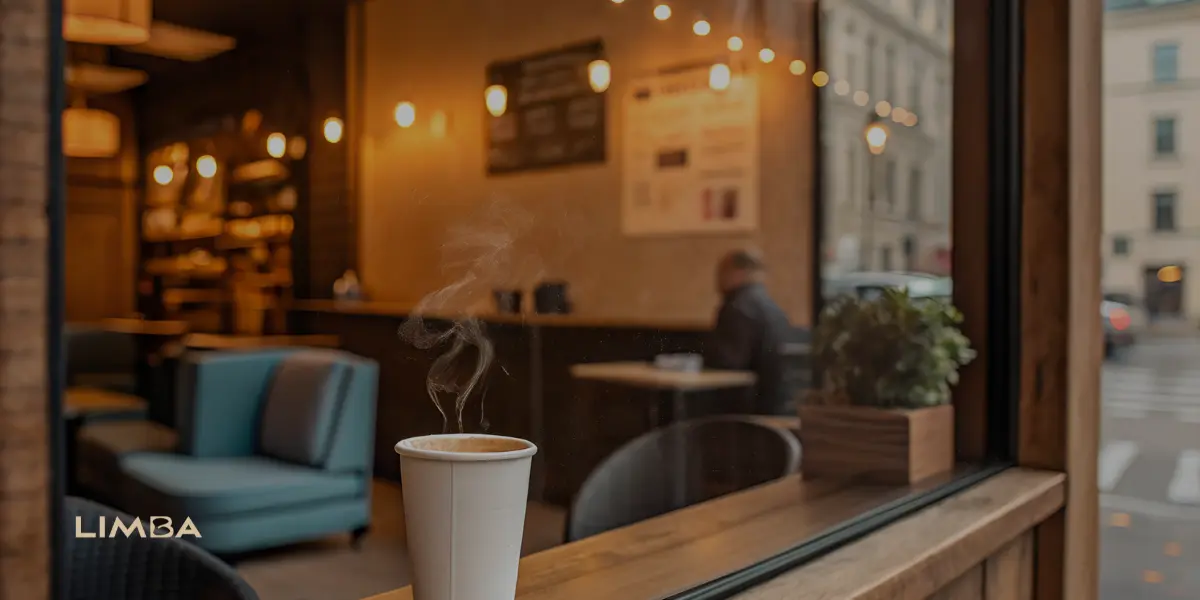
The foundation of any café lies in its drinks, where quality sourcing sets the tone for everything else. Beans from ethical farms in Colombia or Ethiopia, roasted in small batches, deliver flavors that stand out without overwhelming additives. In 2026, with prices spiking 41% to $9.14 per pound, cafés must justify costs by highlighting origins on menus. This transparency builds trust, as customers appreciate knowing their $4 espresso supports sustainable practices. Without this, even the best ambiance falls flat.
Diving deeper, variety keeps things fresh think single-origin pours alongside nitro cold brews or oat milk alternatives at $5.50 a pop. Cafés that rotate seasonal options, like a pumpkin spice variant in fall for $6, see 20% higher foot traffic. But it’s not just about options; proper brewing techniques ensure consistency, avoiding bitter over-extractions. Staff trained to explain differences elevate the interaction, turning a transaction into education. In the end, these details accumulate to craft a good café experience that lingers on the palate.
Coffee Quality and Sourcing
Sourcing beans directly from verified farms ensures traceability, reducing the carbon footprint while guaranteeing freshness. In regions hit by poor weather, like Vietnam, cafés opting for fair-trade options at $10 per pound maintain supply chains. This approach not only combats price volatility but also appeals to eco-conscious consumers who pay a premium. Reviews often praise such transparency, noting how it enhances the overall vibe. Without it, drinks taste generic, undermining the core appeal.
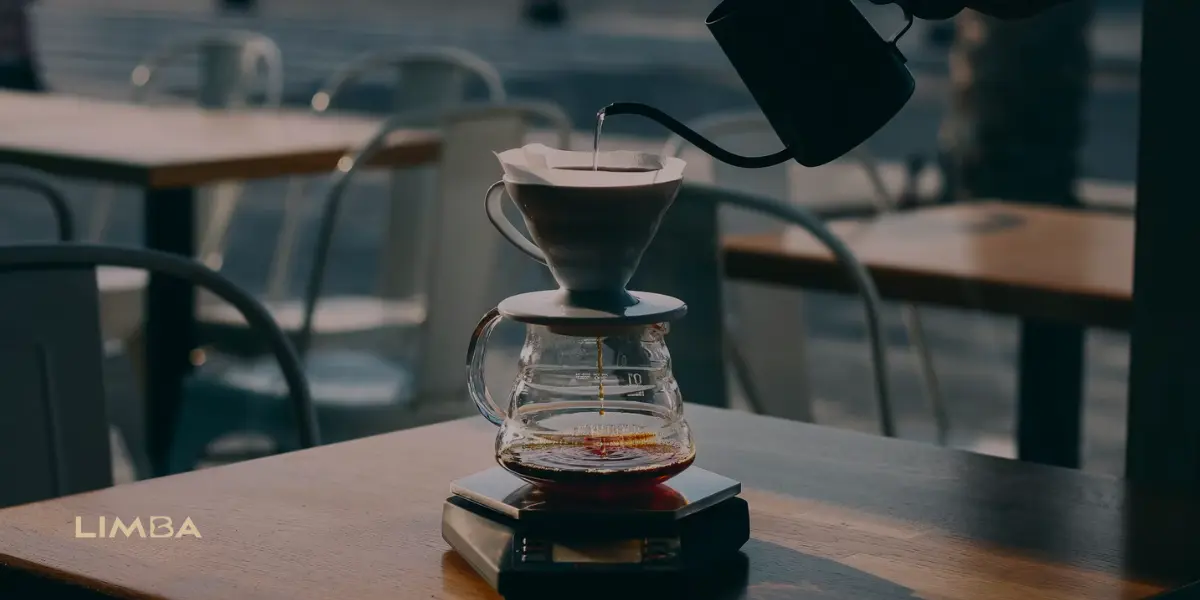
Quality control extends to storage beans kept in airtight containers away from light preserve oils for richer brews. Grinding on demand, rather than pre-ground, avoids staleness, a common complaint in lower-end spots. At $4.50 for a pour-over, customers expect this level of precision. Training baristas to taste-test daily batches catches issues early. This meticulousness is what separates average from exceptional in defining a good café experience.
Variety in Drinks
Beyond espresso basics, incorporating teas and non-caffeinated options broadens appeal, with herbal blends at $3 drawing in afternoon crowds. Fusion drinks, like matcha lattes with yuzu for $6, tap into health trends without complicating operations. Seasonal rotations prevent menu fatigue, boosting sales by 15% as per industry reports. Pricing tiers $4 for small, $6 for large encourage upsells. Variety isn’t excess; it’s strategic inclusion that enriches every visit.
Non-dairy alternatives, priced at an extra $0.75, cater to 30% of customers with dietary needs, from almond to coconut milk. Pairing these with signature syrups made in-house keeps costs down while adding uniqueness. Feedback loops via apps help refine offerings based on popularity. This adaptability ensures the menu resonates, contributing to a good café experience. Over-reliance on coffee alone limits potential, so diversification is key.
Ambiance and Design
The physical space dictates how long customers stay, with open layouts promoting flow and reducing wait times. Industrial elements like exposed bricks, combined with soft cushions, create comfort without clutter. In 2026, cafés investing $20,000 in redesigns report 25% more dwell time. Lighting at 300 lux balances warmth and functionality for reading or working. These choices subtly influence mood, forming the backbone of a good café experience.
Acoustic treatments, such as sound-absorbing panels, keep noise below 60 decibels, ideal for conversations. Plants add biophilic appeal, improving air quality and aesthetics for under $500. Customer reviews highlight how such details make spaces feel personal. Pricing for add-ons, like $2 for a cozy blanket rental, enhances perceived value. Design isn’t decoration it’s engineering satisfaction from the ground up.
Layout and Seating
Strategic seating arrangements, with booths at $800 each for privacy and communal benches for mingling, optimize space utilization. Pathways wide enough for strollers at least 36 inches prevent bottlenecks. Cafés with mixed seating see 18% higher occupancy rates. Pricing models that include time-based surcharges for peak hours, like $1 per extra 30 minutes, manage crowds. Layout directly impacts flow, essential for a smooth good café experience.
Incorporating power outlets every 10 feet, at a $200 installation cost, attracts remote workers who spend $15 on average per visit. Height-adjustable tables accommodate wheelchairs, ensuring inclusivity. Reviews emphasize how thoughtful placement reduces frustration. This setup turns potential chaos into harmony. A good café experience relies on layouts that feel intuitive and welcoming.
Lighting and Decor
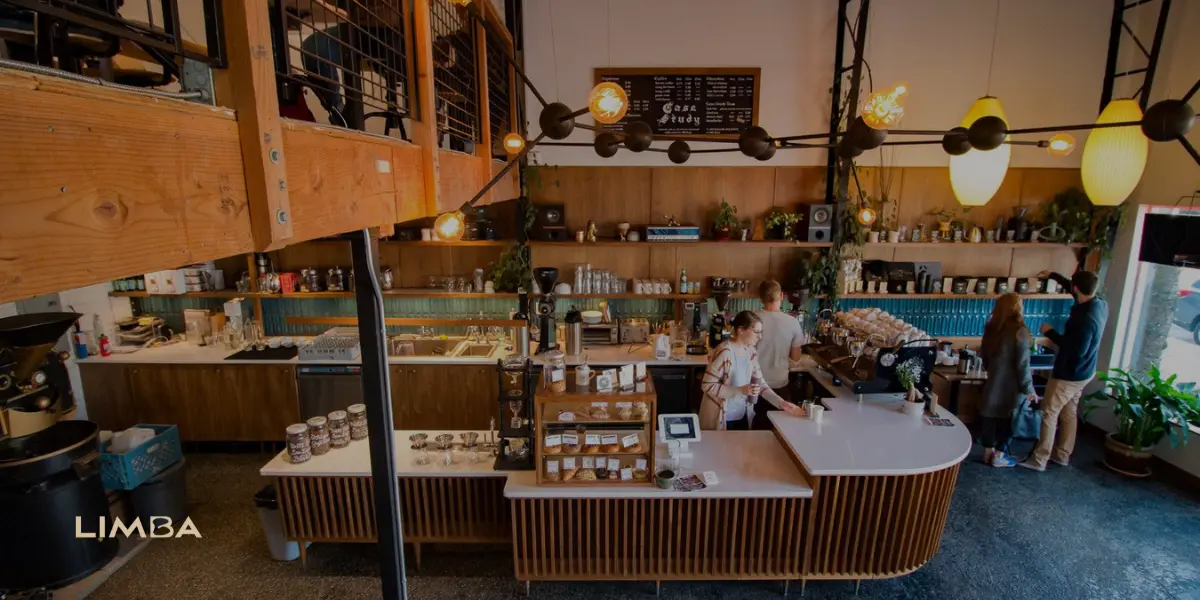
Warm LED bulbs at 2700K, costing $50 per fixture, create inviting glows without harsh shadows. Dimmers allow adjustments for day-to-night transitions, enhancing versatility. Decor with local art, rotated quarterly for $300, adds cultural depth. Customers rate well-lit spaces 40% higher in comfort surveys. Lighting isn’t just functional it’s a mood setter in crafting a good café experience.
Minimalist decor avoids overload, with neutral palettes accented by pops of color for visual interest. Sustainable materials like reclaimed wood, at $100 per square foot, align with green trends. This aesthetic draws in demographics willing to pay $5 for ambiance-enhanced drinks. Feedback often ties decor to memorability. Ultimately, balanced elements elevate the ordinary to exceptional.
Service Excellence
Staff interactions define loyalty, with greetings within 10 seconds setting positive tones. Training programs, costing $500 per employee, focus on product knowledge and empathy. In competitive markets, cafés with high service scores command $0.50 premiums on items. Reviews cite rude encounters as top deal-breakers. Service is the human element that amplifies a good café experience.
Personalization, like remembering regulars’ orders, boosts tips by 20%. Uniforms that are practical yet stylish, at $30 each, project professionalism. Handling complaints swiftly, with free replacements, turns negatives into positives. This proactive stance builds trust over time. A good café experience hinges on service that feels genuine and attentive.
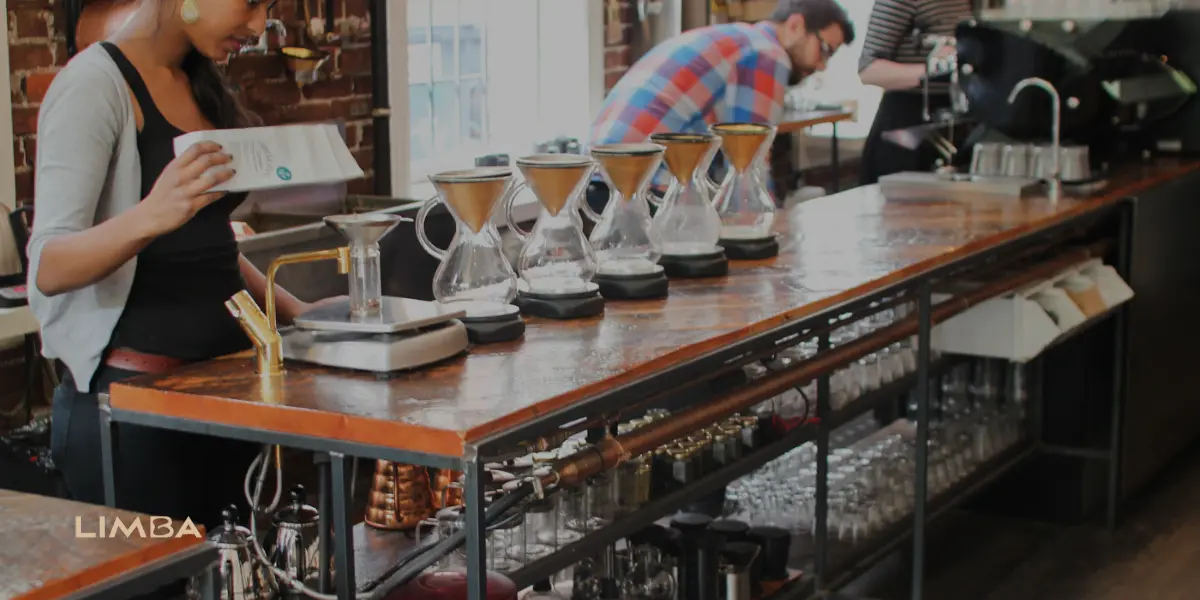
Menu Innovation
Rotating specials, like vegan donuts at $4, introduce novelty without menu bloat. Collaborations with local chefs for limited runs generate buzz. Data analytics from POS systems guide additions, ensuring 20% sales lift. Innovation keeps menus dynamic, appealing to repeaters. Creative edges define a modern good café experience.
Testing via pop-ups, costing $500, gauges interest before commitment. Feedback loops refine recipes, like adjusting sweetness in $5 muffins. This agility responds to preferences swiftly. Pricing experiments, such as bundling for $10, test value perceptions. Innovation sustains excitement in offerings.
Pricing Strategies
Competitive yet profitable pricing, with lattes at $5, balances costs amid 18% inflation. Value-based models charge more for premiums, like $7 organic blends. Dynamic adjustments during peaks add $0.50, optimizing revenue. Strategies that align with quality prevent churn. Pricing is a lever in shaping a good café experience. Bundling deals, such as coffee plus pastry for $8, encourage spends up 30%. Transparent breakdowns on menus build trust. Reviews favor fair pricing over cheap gimmicks. This approach sustains margins at 60%. Effective strategies ensure accessibility without sacrificing standards.
| Item | Average Price (2026) | Margin Goal | Pairing Suggestion |
|---|---|---|---|
| Espresso | $4.00 | 65% | Croissant ($3) |
| Latte | $5.50 | 60% | Avocado Toast ($7) |
| Cold Brew | $5.00 | 70% | Vegan Donut ($4) |
| Herbal Tea | $3.00 | 75% | Cheese Board ($8) |
| Seasonal Special | $6.00 | 55% | Muffin ($5) |
Technology Integration
Community and Events
Hosting workshops, at $100 per session, draws crowds for skills like latte art. Bulletin boards for local ads foster connections. Events turn cafés into hubs, increasing off-peak traffic 20%. Community focus deepens the social layer of a good café experience.
Collaborations with artists for exhibits, free to host, enrich culture. Feedback from attendees refines future plans. This engagement creates buzz organically. Pricing event tickets at $10 covers costs while adding value. Events transform spaces into vibrant centers.Trivia nights weekly, with $5 entry including a drink, build regulars. Charity tie-ins amplify impact. These activities strengthen bonds beyond transactions. A good café experience includes feeling part of something larger. Community efforts pay dividends in loyalty.
In wrapping up, remember that a good café experiance oops, experience is crafted through deliberate choices that prioritize the customer at every turn. From the first sip to the last chat, it’s these nuances that make visits unforgettable. Owners who adapt to 2026’s challenges, like those pesky price hikes, while keeping authenticity intact, will thrive. It’s not just business; it’s creating spaces where people return time and again. So next time you’re in one, notice how all these pieces fit together seamlessly.

Layla · CEO and Owner of Limba Studio, a brand dedicated to high-quality ceramic solutions that blend modern design, durability, and professional standards.
Want to see more from Limba?
Add Limba Studio as a preferred source on Google for more pottery guides, creative ideas and studio stories.