Blog
Can You Write Names or Messages on Ceramic Pieces?
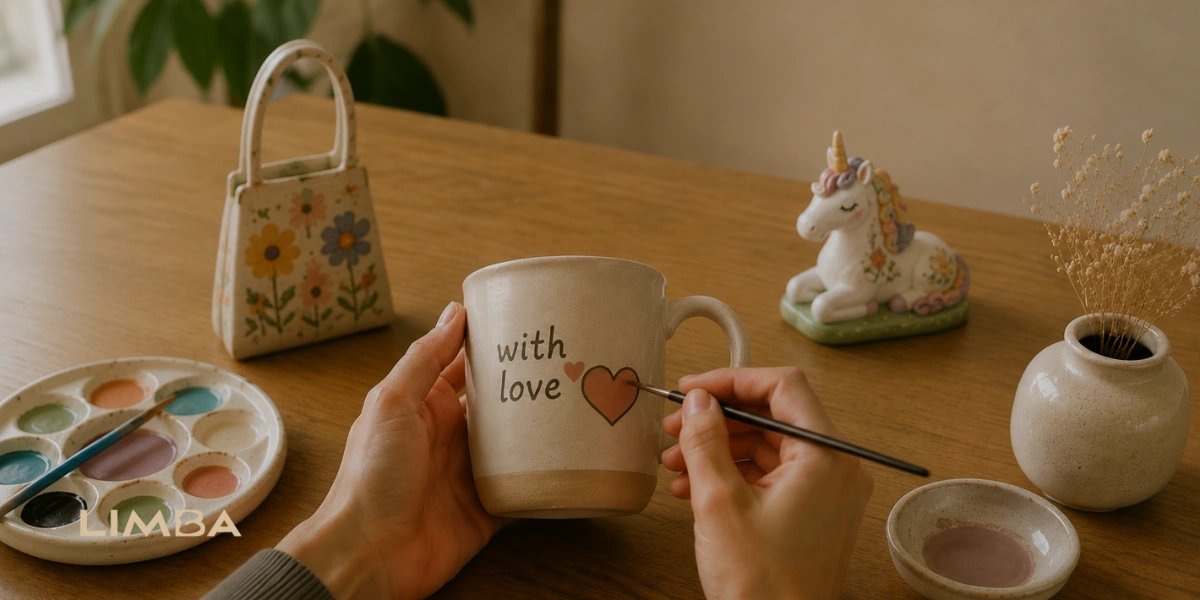
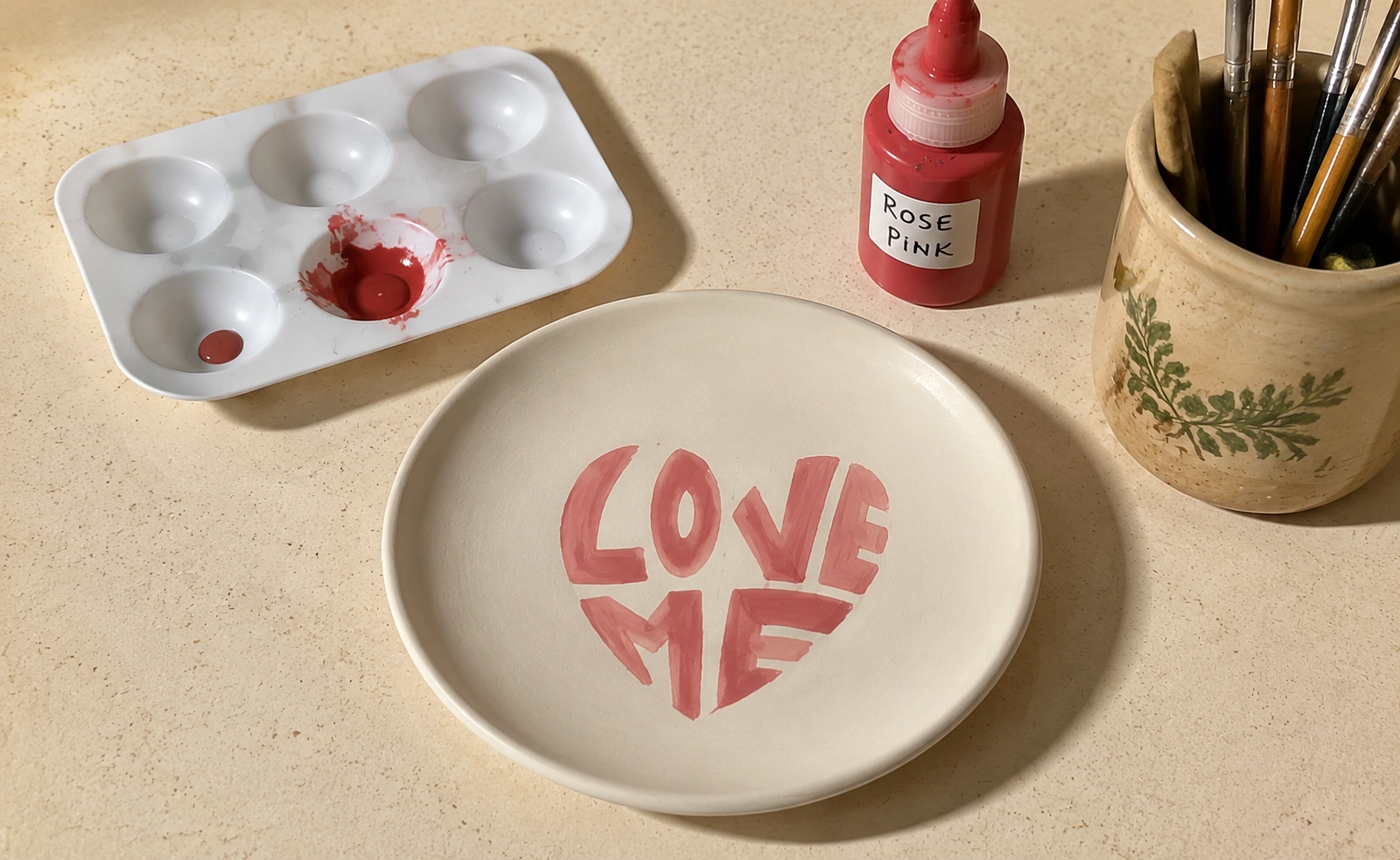
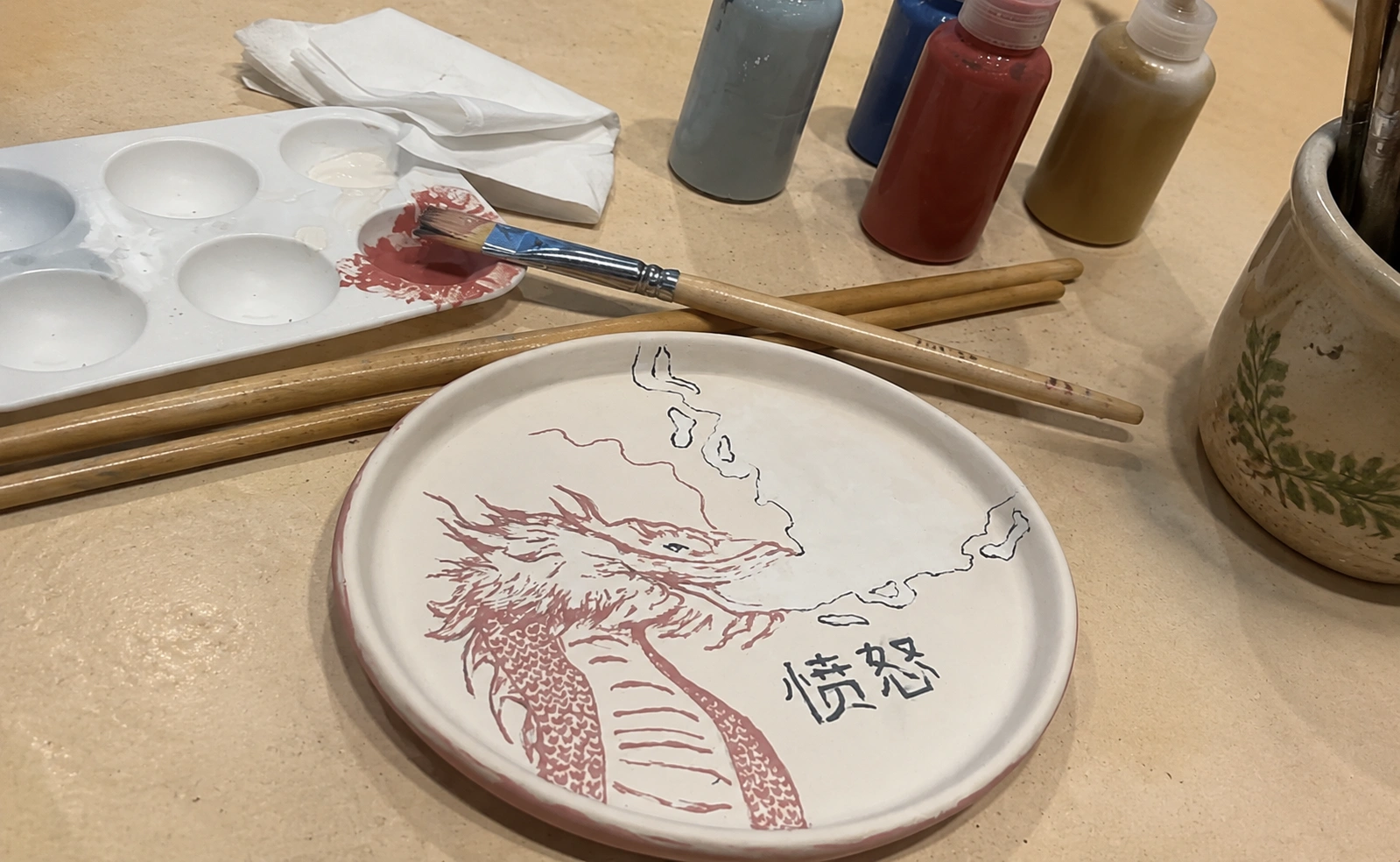
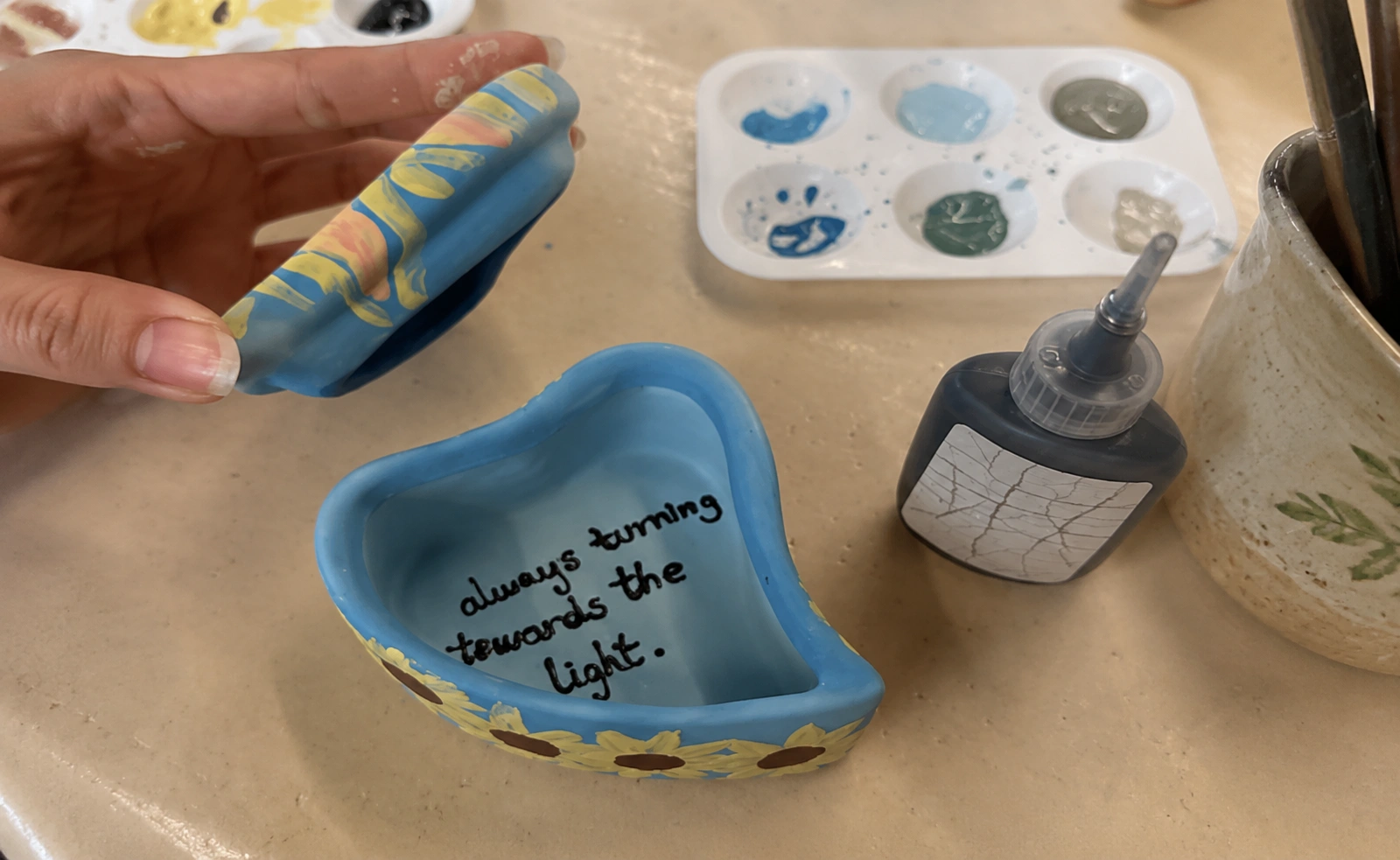
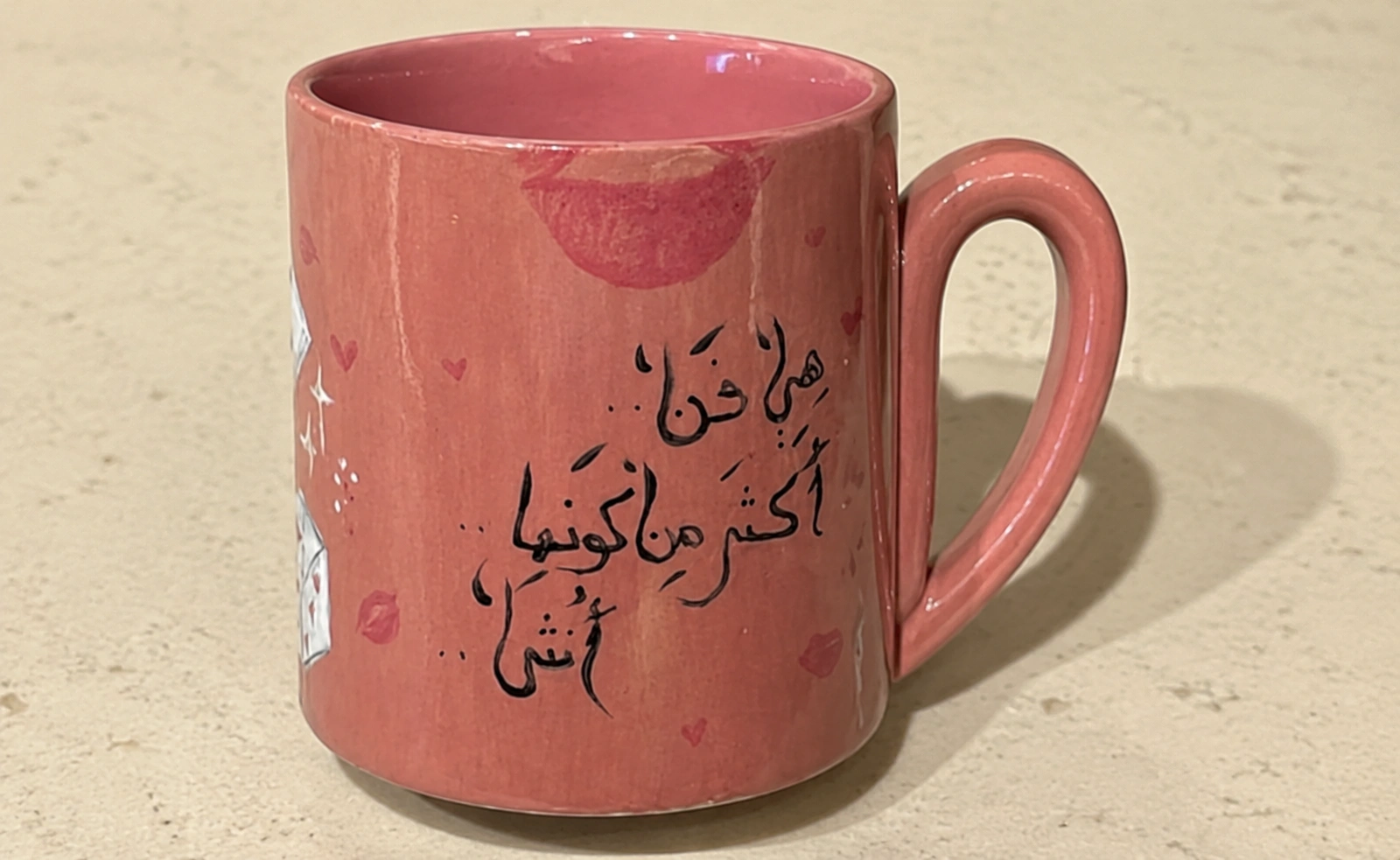
Yes, you can Write Names or Messages on Ceramic Pieces, and when it is done with the right materials and at the correct stage of the pottery process, the result can last for many years. Whether you want to add a name to a mug, a meaningful date to a plate, or a short message on a handmade bowl, it is completely possible. The important part is understanding when to write, what to use, and how firing affects the final design. If you are thinking about creating a personalised ceramic piece, this guide will help you avoid common mistakes and make better decisions before you start.
One of the questions I hear most often from beginners is whether writing on pottery is different from painting it. The answer is yes. Letters and messages usually require more planning because they need to remain readable after glazing and firing. Small details can change during the process, so choosing the right tools, the right surface, and the right timing makes a noticeable difference.
From my experience teaching pottery workshops, personalised ceramics often become the pieces people value the most. A simple name, a handwritten message, or even a short quote can turn an everyday object into a keepsake with personal meaning. At the same time, it is important to know the practical limits of ceramic decoration so your design survives the kiln exactly as you expect.
In the following sections, I will explain where and when to write on pottery, which materials work best, how to prevent common lettering mistakes, and how to create ceramic pieces that remain both attractive and durable over time.
Customers' Experiences at Limba Ceramics
See how visitors transform simple ceramic pieces into personal handmade memories.
How to Choose the Right Size and Placement?
After understanding which items can be personalised, the next step in learning how to Write Names or Messages on Ceramic Pieces is knowing how to create writing that remains clear, balanced and visually attractive. Many beginners focus only on the words they want to add, but the size, position and shape of the ceramic surface have a major impact on the final result.
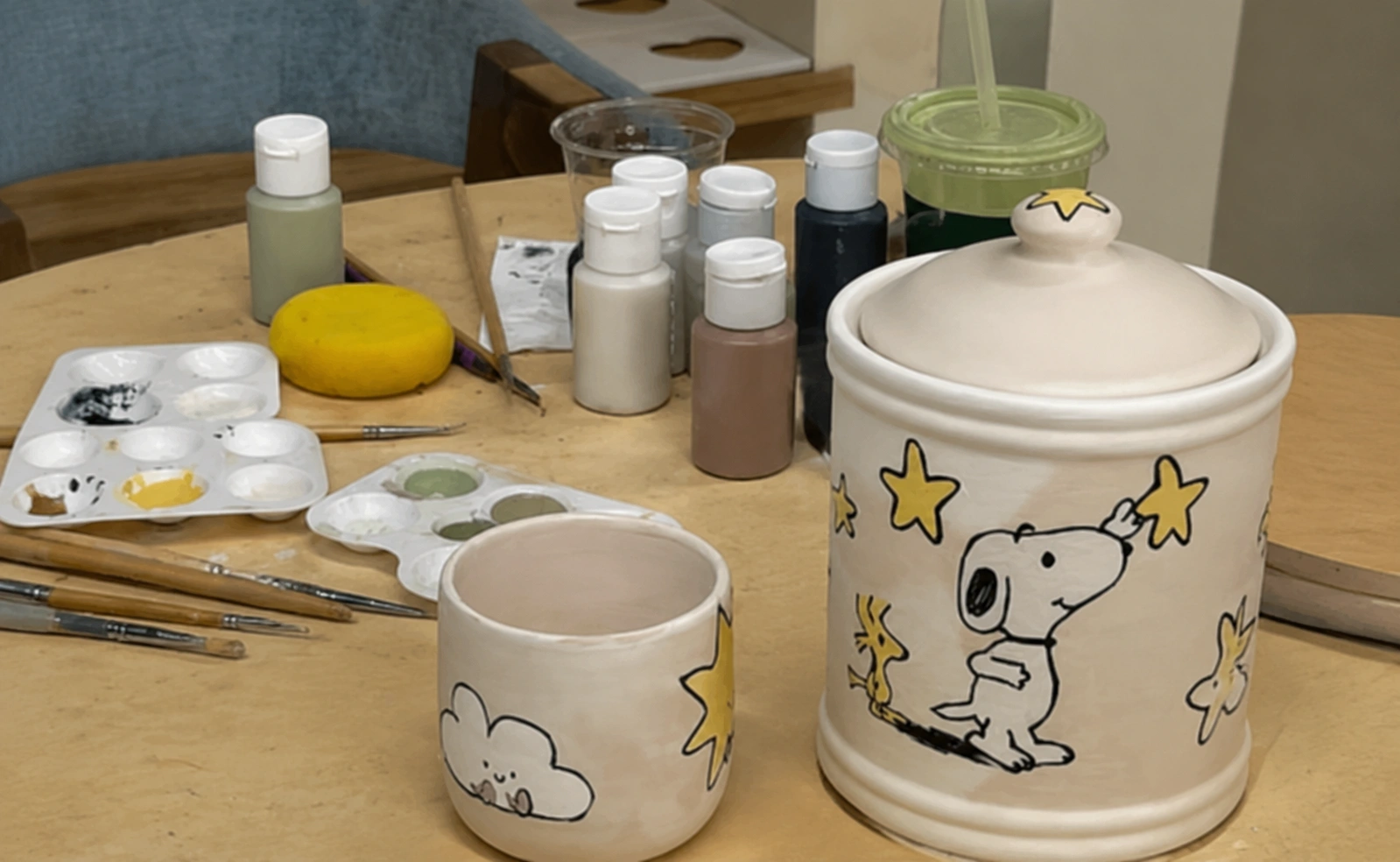
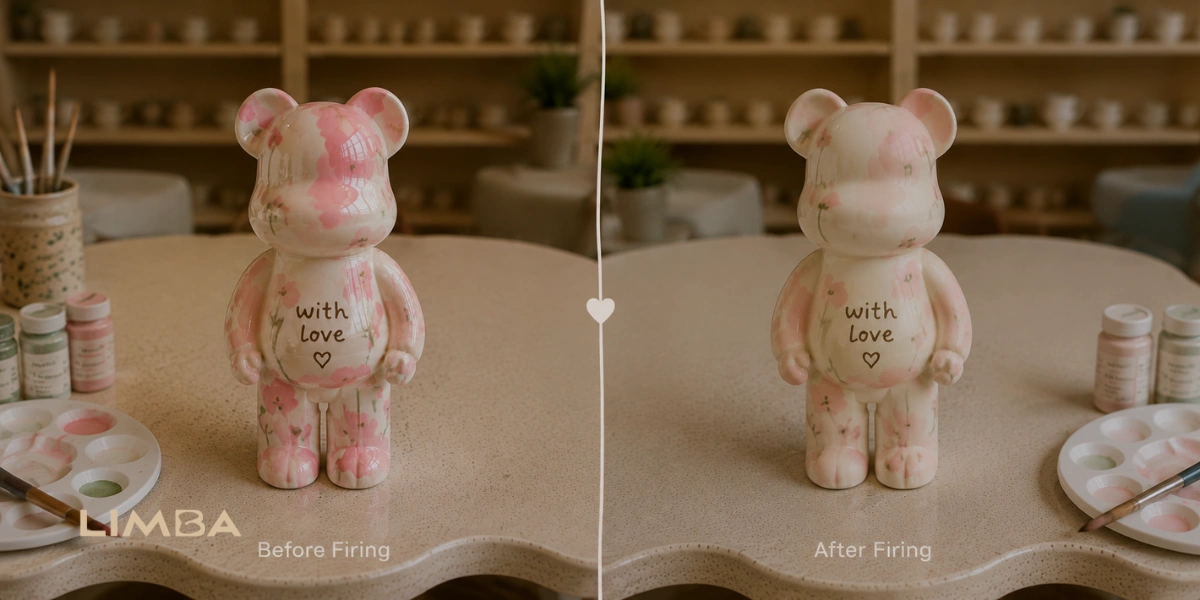
From my experience teaching pottery, one of the most common mistakes is writing text that is too small or adding too much information to a limited space. A ceramic piece needs breathing room. A short name or message usually creates a stronger result than trying to fill every empty area. Before writing, I always recommend looking at the size of the surface and choosing lettering that can still be read easily after glazing and firing. Colours can also slightly change during the kiln process, so strong contrast and simple designs usually work better. For those joining a bisque ceramic painting in Dubai workshop, starting with an unfired ceramic surface gives more flexibility to plan designs, add details and create personalised artwork before the final firing.
Curved surfaces require a different approach compared with flat ceramic pieces. Writing on a mug, vase or rounded sculpture can be more challenging because the surface changes direction as you move your hand. In these cases, it helps to lightly mark the placement first and follow the natural shape of the object instead of forcing the text into a straight line. For example, a name on a curved mug often looks better when it follows the movement of the design.
A skilled ceramic artist understands that personalisation is not only about adding words. It is about making sure the message becomes part of the piece while keeping the shape, function and overall appearance balanced. This attention to detail is what separates a durable personalised ceramic from a simple handwritten decoration.
Common Mistakes to Avoid When Writing on Ceramic Pieces?
After learning how to choose the right size and placement, the next part of creating personalised pottery is understanding the mistakes that can affect the final result. When you Write Names or Messages on Ceramic Pieces, small details before firing can make a big difference between a design that looks professional and one that loses clarity after completion.
One of the most common mistakes is adding too much text to a small ceramic surface. Many people try to include long messages, but limited space often makes the design crowded and difficult to read. A short phrase, name or meaningful date usually creates a cleaner and more attractive result. Another mistake is not considering how the colours will appear after glazing and firing. Some shades become softer or change slightly in the kiln, so testing colours or asking for advice before finishing the piece can prevent disappointment.
Another issue beginners face is applying decoration on a surface that has not been prepared correctly. Ceramic pieces need the right condition before writing or painting. Dust, uneven surfaces or incorrect materials can affect how the design bonds with the ceramic. This is why many people choose guided pottery workshops in Dubai, where instructors can explain the correct techniques and help avoid common problems.
A good ceramic experience is not only about creating a beautiful object but also enjoying the process. Taking time to plan the design, choosing suitable words and understanding the limits of the material will make the final piece more meaningful. When you know what to expect, Write Names or Messages on Ceramic Pieces becomes a creative process rather than a frustrating experiment. The goal is to create something personal that you will enjoy using or keeping for years.
Why Personalised Ceramic Pieces Make Meaningful Gifts?
Creating a personalised ceramic piece is not only about adding words to a surface. It is about creating something that carries a memory, emotion or personal connection. When you Write Names or Messages on Ceramic Pieces, the goal should not simply be to make a decorative object, but to create a piece that has meaning for the person who receives it.
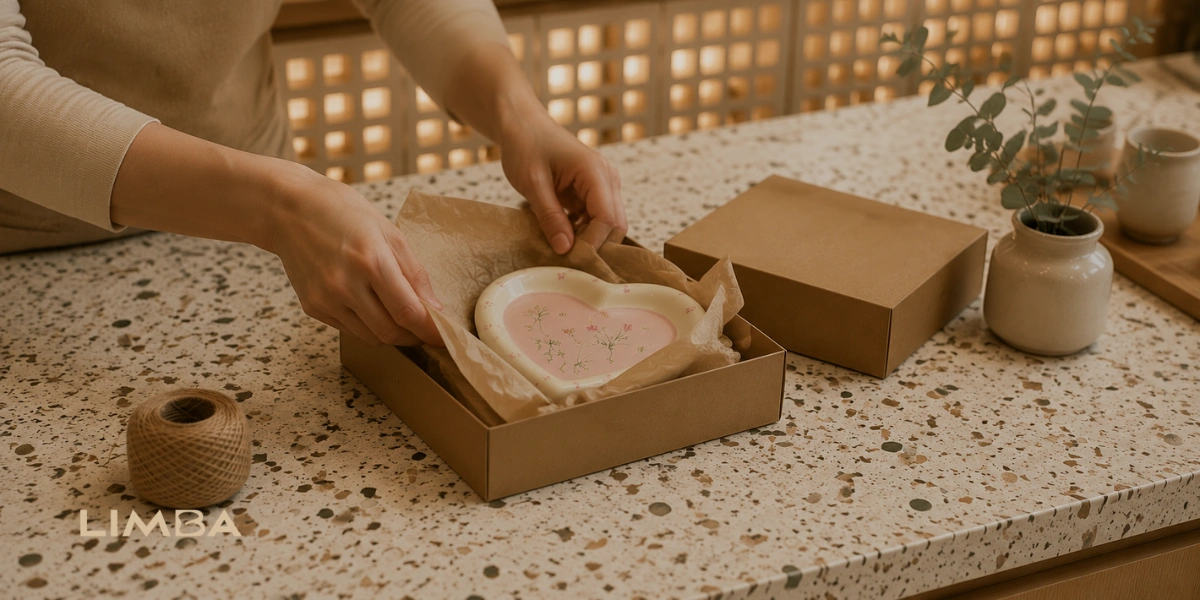
Unlike many mass-produced gifts, a ceramic item with a handwritten name, special date or personal message feels unique because it reflects time, thought and creativity. A customised mug for a close friend, a decorated plate for a family member, or a small ceramic sculpture with a meaningful message can become a memorable gift that people keep for years. These pieces are especially suitable for birthdays, anniversaries, weddings and other important moments.
For example, many families and groups enjoy creative activities such as a pottery birthday party in Dubai, where participants can design their own ceramic pieces and create personal gifts while sharing an experience together.
The most valuable part of personalised pottery is the connection behind the design. Whether you are making a gift or creating something for your own home, the process should focus on creativity, quality and personal meaning.
Key points to remember
- Choose a message that has personal value.
- Keep the design simple and readable.
- Use proper ceramic materials for long-lasting results.
Consider the shape and purpose of the piece before writing.
When done correctly, Write Names or Messages on Ceramic Pieces becomes more than a decoration method; it becomes a way to preserve memories in a handmade object.
Write Names or Messages on Ceramic Pieces FAQ
Can I write a personal name or message on any ceramic piece?
Most ceramic items can be personalised, including mugs, plates, bowls, tiles and decorative pieces. The best result depends on the surface shape, material and the decoration method used before firing.
Will the writing disappear after the ceramic piece goes into the kiln?
No. When suitable ceramic colours or underglazes are used correctly before firing, the writing becomes part of the finished ceramic surface and can remain durable with normal use.
What is the best message to add to a personalised ceramic gift?
Short and meaningful messages usually create the strongest results. Names, special dates, short quotes and personal notes are popular choices for birthday, wedding and memory gifts.
Can beginners write names on pottery without experience?
Yes. Beginners can create personalised ceramic pieces with simple guidance. Planning the placement, choosing the right size and using suitable tools are the most important steps.
How can I make sure my ceramic writing looks clear and professional?
Choose a readable size, avoid overcrowding the design and consider the shape of the ceramic surface. Testing the placement before painting helps create a cleaner final result.
ALSO READ: Why low pressure creative time need for adult ?

Founder of Limba Ceramic, a brand dedicated to high-quality ceramic solutions that blend modern design, durability, and professional standards.