

Blog
Why Making Your Own Coffee Mug Changes the Coffee Experience?

Coffee is often discussed as if it begins with beans and ends with brewing. Grind size, water temperature, extraction time, all receive obsessive attention, while the object that actually delivers coffee to the mouth is treated as a neutral afterthought. The mug is assumed to be interchangeable, invisible, and irrelevant. Making your own coffee mug quietly disrupts this assumption by revealing how much the drinking vessel controls the experience long after the coffee is brewed.
This shift does not rely on emotion or symbolism. It emerges through repetition. When someone drinks coffee daily from a mug they made themselves, physical differences begin to shape behavior in subtle but consistent ways. Heat behaves differently, sipping slows down, grip feels intentional, and attention changes. Coffee does not suddenly become “better.” It becomes different because the conditions surrounding it are no longer generic.
The Mug Is an Active Variable in Coffee Drinking
A coffee mug always interferes with coffee. The only difference is whether that interference is noticeable. Factory-made mugs are engineered to disappear. Uniform wall thickness, predictable balance, smooth glaze, and identical rims remove variation so production can scale efficiently. The cost of that efficiency is a flattened sensory experience.
When making your own coffee mug, uniformity is replaced by physical individuality. Wall thickness varies slightly, the base usually carries more mass than intended, and the rim holds small irregularities that the lips can detect subconsciously. These characteristics change how heat dissipates over time. Instead of cooling in a straight line, coffee loses heat unevenly, which stretches the period where flavor feels balanced rather than sharp or dull.
Info: Uneven ceramic thickness slows temperature loss by creating micro thermal buffers inside the mug, extending the aromatic window without insulation.
How Making Your Own Coffee Mug Changes the Way Coffee Behaves
Not emotionally. Not symbolically. Physically.
The Mug Is Not Neutral
Factory mugs are designed to disappear. Uniform walls, predictable balance, identical rims. Making your own mug replaces neutrality with physical individuality.
Coffee always interacts with the mug — the difference is whether you feel it.
Uneven Thickness Slows Flavor Collapse
Handmade mugs cool unevenly. Micro variations in wall thickness create thermal buffers that stretch the aromatic window instead of flattening it.
Heat loss becomes gradual, not linear.
The Rim Controls Entry Speed
Thicker handmade rims slow liquid flow. Aroma reaches the nose before the tongue, softening bitterness and stabilizing acidity.
Harsh first sip is often rim geometry — not roast.
Comfort Reduces Background Noise
A handle shaped by the maker fits the hand naturally. Less wrist tension means clearer sensory processing.
Attention sharpens when the body relaxes.
Weight Slows Drinking Without Intention
Handmade mugs are heavier. That weight inserts micro-pauses between sips, stretching the experience even when volume stays the same.
Coffee becomes occupied, not consumed.
Stoneware Stabilizes Aroma
Stoneware cools more gradually than porcelain. Aroma clarity survives deeper into the cup rather than peaking early.
Cafés using handmade ceramics see fewer abandoned cups.
Familiarity Refines Attention
Using the same handmade mug daily trains the senses. The weight becomes expected, the rim predictable, the handle disappears from conscious thought. This familiarity removes distraction.
With fewer distractions, small changes in coffee become easier to notice. Roast differences feel clearer. Brew mistakes stand out faster. People who commit to making your own coffee mug often become more attentive coffee drinkers without trying to be. In spaces like LIMBA, where coffee and craft coexist naturally, this relationship becomes visible. The mug is not decoration; it is part of the ritual.
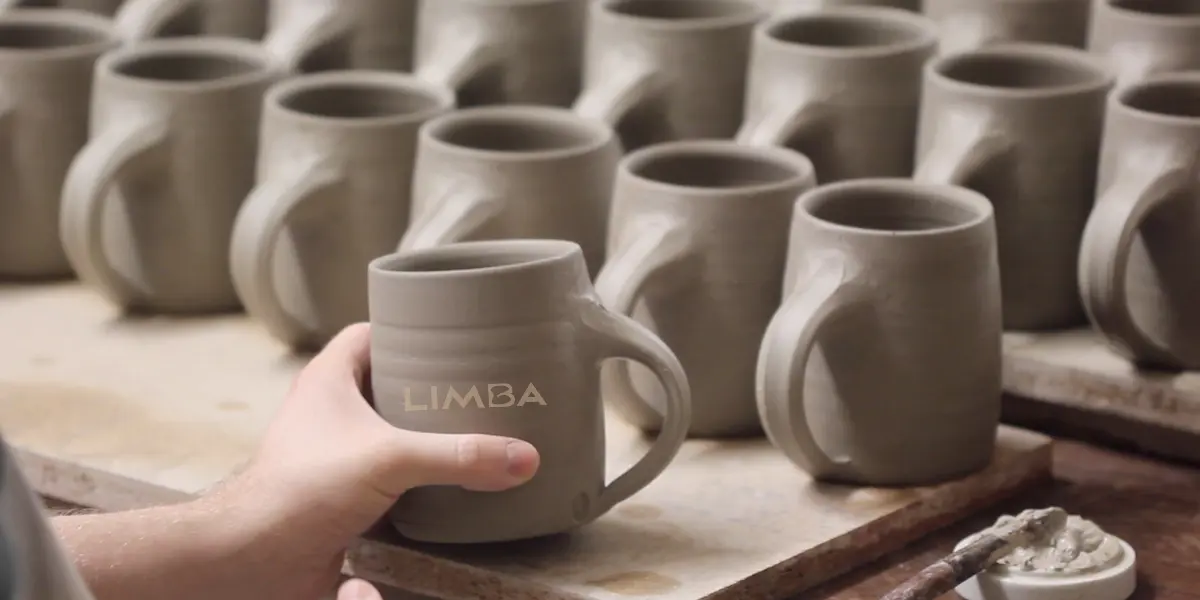
Temperature Shapes Flavor, Not Just Comfort
Temperature does far more than keep coffee warm. It controls aroma release and bitterness perception. Once coffee drops below a certain range, volatile compounds fade quickly and bitterness becomes dominant. Factory mugs tend to accelerate this collapse by releasing heat evenly and rapidly.
During making your own coffee mug, wall thickness often exceeds industrial standards, especially near the base. This increases thermal mass and stabilizes temperature fluctuations caused by hand contact and ambient air. Coffee stays within the aromatic range longer, allowing sweetness and acidity to remain present deeper into the cup instead of peaking early and disappearing.
Thermal Timeline — Why the Same Coffee Tastes Different
The mug changes the conditions: heat curve, aroma release, sip pace — without changing the coffee itself.
-
00–02 min · First Sip
Rim Geometry Sets the First Impression
A thicker handmade rim slows entry. Aroma reaches the nose before the liquid fully hits the tongue, often softening perceived bitterness and stabilizing acidity.
Handmade MugFlow slows slightly → aroma leads tasteSmoother first sipFactory MugThin rim → faster entry → sharper first hitMore “edge” early -
03–06 min · Aroma Peak
Thermal Mass Protects the Aromatic Window
Handmade walls often carry extra mass—especially near the base—reducing rapid fluctuations from hand contact and room air. Aroma stays present longer.
Handmade stabilityFactory stability“Richer” often means preserved conditions, not added flavor.
-
07–12 min · Balance Zone
Uneven Thickness Creates Micro Thermal Buffers
Slight irregularities slow uniform cooling. Instead of a straight-line temperature drop, you get a longer middle zone where sweetness and acidity stay readable.
Handmade mug Factory mughotbalancedflatThis is why the difference becomes noticeable after a few minutes—not instantly.
-
13–18 min · Sip Pace
Weight Inserts Micro-Pauses
Handmade mugs tend to be heavier. You lift and place them more deliberately, stretching the drinking act without trying to “slow down.”
Handmade MugHeavier → slower cadenceLonger ritualFactory MugLight → faster repetitionFaster consumptionMore time = more awareness of flavor transitions across temperature.
-
19+ min · Familiarity
Daily Use Refines Attention
Using the same handmade mug daily removes distraction. Weight becomes expected, the rim predictable, the handle disappears from conscious thought—so small brew changes become easier to notice.
1Grip becomes automatic2Rim becomes predictable3Taste differences feel clearerThe change doesn’t fade because it’s physical, repeated, and measurable.
The Rim Controls the First Impression of Every Sip
The rim is one of the least discussed but most influential parts of a mug. Factory mugs usually have thin, symmetrical rims designed for durability and cost efficiency. Handmade mugs tend to have thicker, softer rims shaped by hand rather than cut by machine.
When making your own coffee mug, this thicker rim slightly slows the flow of liquid into the mouth. That delay changes the order in which aroma and taste are perceived. Aroma reaches the nose before the liquid fully contacts the tongue, softening bitterness and giving acidity a more controlled presence. Coffee does not rush in; it arrives gradually.
Tip: If coffee feels harsh in the first sip but smooth later, the rim geometry is often responsible rather than the roast.
How a Handmade Mug Changes Coffee Step by Step
A physical chain reaction: geometry and mass alter temperature, pacing, and attention then flavor perception follows.
-
01
Wall Thickness
Handmade mugs carry micro-variations in thickness. Cooling becomes uneven, not linear.
Longer aromatic window› -
02
Thermal Mass
Extra mass—often near the base—reduces temperature swings caused by hand contact and air.
Stabilized sweetness & acidity› -
03
Rim Geometry
A thicker, softer rim slows liquid entry. Aroma reaches the nose before full tongue contact.
Smoother first sip› -
04
Grip & Handle Fit
Handles made by the maker often match the hand. Less wrist tension reduces background stress.
Cleaner sensory processing› -
05
Weight & Pace
Heavier mugs insert micro-pauses. Drinking slows naturally, stretching flavor transitions over time.
Longer, more readable finish› -
06
Familiarity Loop
Daily use removes distraction. With fewer variables, brew differences become easier to detect.
Sharper coffee attentionRitual becomes a system
Touch, Grip, and Physical Ease
Coffee is experienced through the body before it is experienced through taste. Grip comfort, handle angle, balance, and weight all influence how relaxed a person feels while drinking. When making your own coffee mug, the handle usually forms in a way that matches the maker’s hand naturally. It is not engineered, but it fits.
A mug that fits the hand reduces tension in the wrist and forearm. Reduced tension lowers background stress, and lower stress improves sensory clarity. This is not emotional language; it is how attention works. When the body is comfortable, the brain processes flavor more accurately. This is why people instinctively prefer one specific mug at home even when many are available. That preference becomes stronger when the mug is handmade.

How Construction Method Leaves a Physical Signature
The way a mug is constructed directly affects its behavior. In approaches like Pottery Hand Building, subtle asymmetries in thickness and density are unavoidable. These asymmetries influence balance, grip, and heat dissipation in ways that machine-made mugs cannot replicate.
During making your own coffee mug, these irregularities slow uniform cooling and create a more responsive interaction between mug and drinker. Nothing feels engineered for efficiency; everything feels responsive to use. This is one of the reasons the difference persists rather than fading after novelty wears off.
Handmade Mug vs Factory Mug
Same coffee. Same brew. Different physical conditions.
Weight Changes the Pace of Drinking
Handmade mugs are generally heavier than factory mugs. That additional weight alters behavior in subtle but consistent ways. The mug is lifted more deliberately and placed down more carefully. These small pauses stretch the act of drinking without conscious effort.
During making your own coffee mug, this slowness becomes embedded in the object unintentionally. Coffee stops being something consumed quickly and becomes something occupied. Even when the volume is identical, the experience lasts longer, allowing more attention to temperature shifts and flavor transitions.
Material Choice and Sensory Stability
Most handmade mugs are made from stoneware rather than porcelain. Stoneware behaves differently under heat, even when fully glazed. The clay body influences how heat moves through the mug and how long aroma remains present.
Coffee in stoneware mugs cools more gradually and maintains aromatic clarity longer. This does not change the coffee itself, but it changes how the drinker experiences it over time. When the same coffee is poured into different mugs, the difference becomes noticeable after several minutes rather than immediately. In cafés that prioritize handmade ceramics, customers are more likely to finish their drinks rather than abandoning them halfway through.
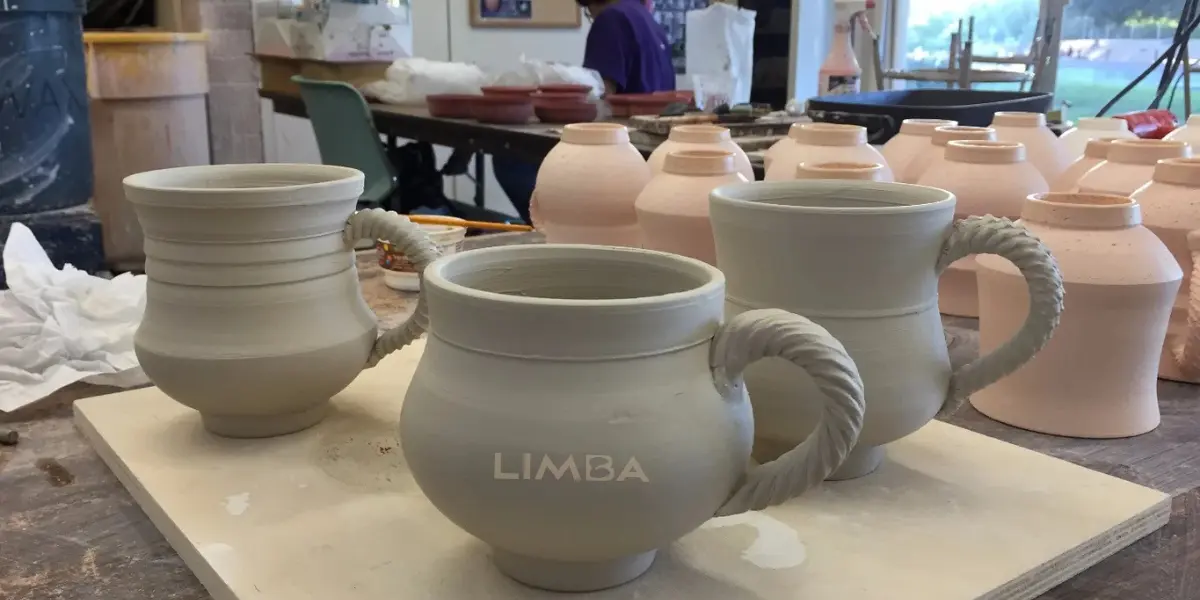
Why the Change Does Not Fade
The impact of making your own coffee mug does not disappear once excitement wears off. It lasts because it is rooted in physical interaction rather than novelty. Heat retention, sip speed, grip comfort, and familiarity continue working together every day without asking for attention.Once the mug becomes part of the system, replacing it with a generic cup makes the experience feel thinner and less grounded.
ALSO READ: Christmas Experience Gifts That People Actually Remember Coffee does not end at extraction. It ends at the mouth, and everything between those two points matters.Making your own coffee mug does not romanticize coffee. It changes the conditions under which coffee is experienced. When those conditions improve, the coffee follows.

Founder of Limba Ceramic, a brand dedicated to high-quality ceramic solutions that blend modern design, durability, and professional standards.