Blog
Why Hand made ceramics Feel More Luxury?

Coffee Should Match the Way Your Hands Work
Pottery Building changes the way I choose coffee. I do not look at the menu only by flavor anymore. I think about timing, hand movement, clay texture, focus level, and whether the drink will stay enjoyable while I am shaping, trimming, painting, or waiting for the piece to settle. This is where pottery hand building in Dubai made ceramics start to feel different from normal objects. They are slower, more personal, and more connected to the small decisions you make during the session.
A pottery session is not the same as sitting in a café with a laptop. Your hands are active. Your attention moves between clay, tools, water, and the shape you are trying to control. The wrong coffee can become distracting. Too sweet, too heavy, too hot, or too large, and suddenly it does not fit the rhythm of the table. The right coffee supports the session quietly.
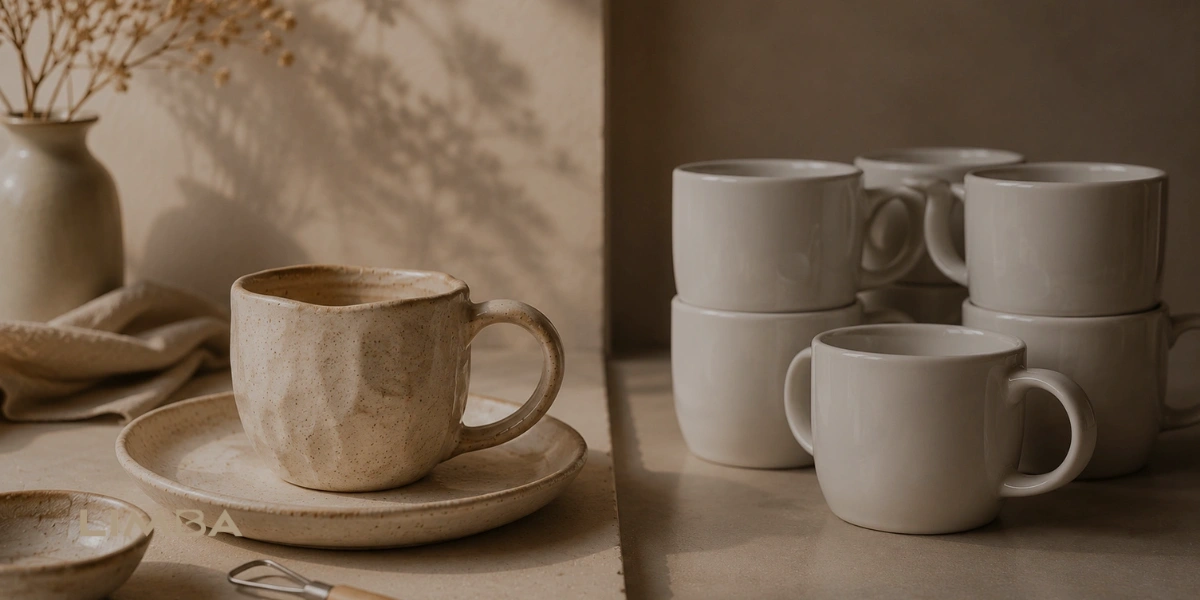
Why Hand made Ceramics Feel More Luxury
Luxury is not always about shine, price, or a brand name printed on the bottom of an object. With Hand made ceramics, the value comes from the fact that no two pieces are exactly the same. A cup may have a slight curve in the rim. A bowl may carry a small mark from the maker’s finger. A plate may have a glaze variation that would be considered a defect in factory production, but in handmade work it becomes part of the character.
That is why Hand made ceramics often feel more luxurious than mass-produced tableware. They have evidence of time. You can see that someone shaped the object, waited for it to dry, fired it, glazed it, and accepted the small changes that happen inside the kiln. This gives the piece a kind of depth that machine-perfect objects usually do not have.
Choose Coffee Based on the Way You Work With Clay
Different pottery sessions need different energy. The right coffee keeps the table calm, clean, and focused.
Flat white works best during hand building and shaping because it stays balanced without becoming heavy.
Cortado fits detail painting sessions where focus and table space matter more than large drinks.
Iced latte feels better for slower pottery sessions, casual conversations, and creative social visits.
The Coffee Pairing Logic Most People Miss
Most people choose coffee based on taste alone. That is fine for a normal café visit, but during a pottery session I think the better question is: what kind of focus does this drink create? .If I am starting a session and shaping clay from zero, I prefer a clean coffee that keeps my head clear.
A flat white, cortado, or filter coffee works well because it gives energy without becoming too heavy. If I am painting details or glazing, I usually avoid drinks with too much foam or syrup because they can feel sticky and distracting beside clay tools.This matters more than people expect. Hand made ceramics are created through small decisions. Pressure, angle, water, thickness, balance, drying time. A drink that fits the pace of the work helps you stay more consistent.
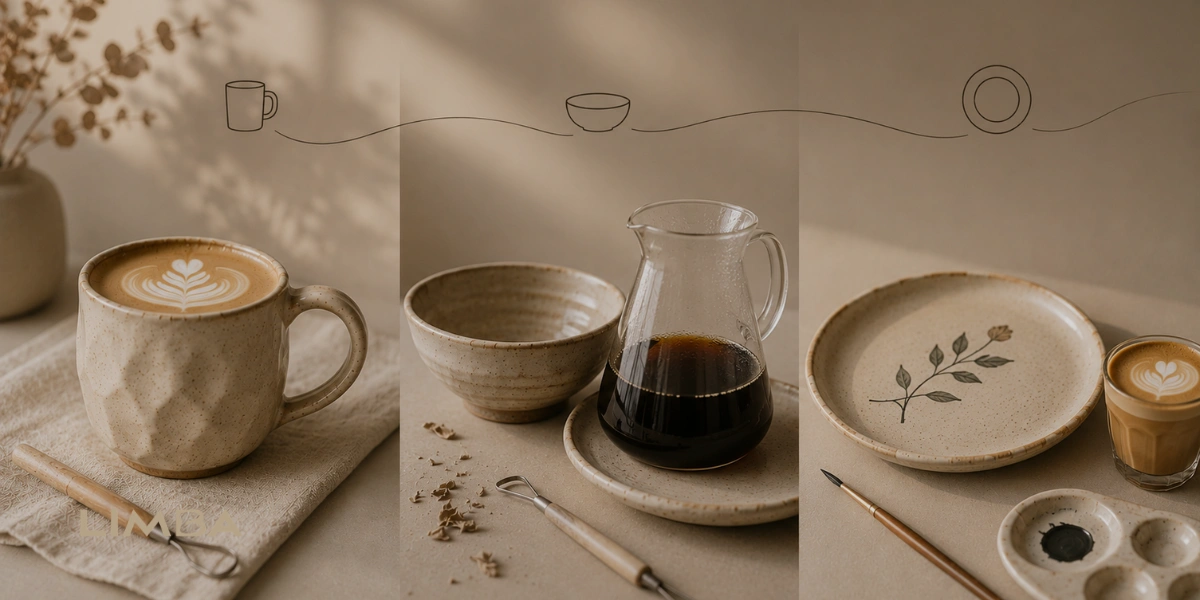
Matching Coffee to Ceramic Models
If you are making a mug, the coffee choice becomes part of the experience. A mug naturally makes you think about daily use, heat, grip, rim thickness, and how the drink will feel in the hand. For this kind of session, I like a flat white because it helps you imagine the final object in real use.
If you are making a bowl, I would choose something slower, like filter coffee. Bowls need more patience. You are thinking about curve, depth, wall thickness, and balance. Filter coffee fits that pace better because it does not demand attention. If you are painting a plate, cortado makes more sense. It is small, controlled, and does not sit on the table for too long. Plates require visual focus, especially when you work with patterns or color placement.
This is one reason Hand made ceramics have stronger emotional value than ready-made pieces. You are not just buying an object. You are making decisions that affect how that object will live later.
| Pottery Session Type | Best Coffee Choice | Why It Works | What I Would Avoid |
|---|---|---|---|
| First-time clay shaping | Flat white | Smooth, balanced, not too sharp | Large iced drinks that take too much table space |
| Detailed painting | Cortado | Small, focused, easy to finish | Very sweet flavored lattes |
| Long creative session | Filter coffee | Clean flavor and steady energy | Heavy milk drinks after the first hour |
| Casual social session | Iced latte | Relaxed and easy to drink slowly | Very bitter espresso if you are not used to it |
| Glazing session | Cappuccino | Light texture, comfortable pace | Drinks with sticky toppings |
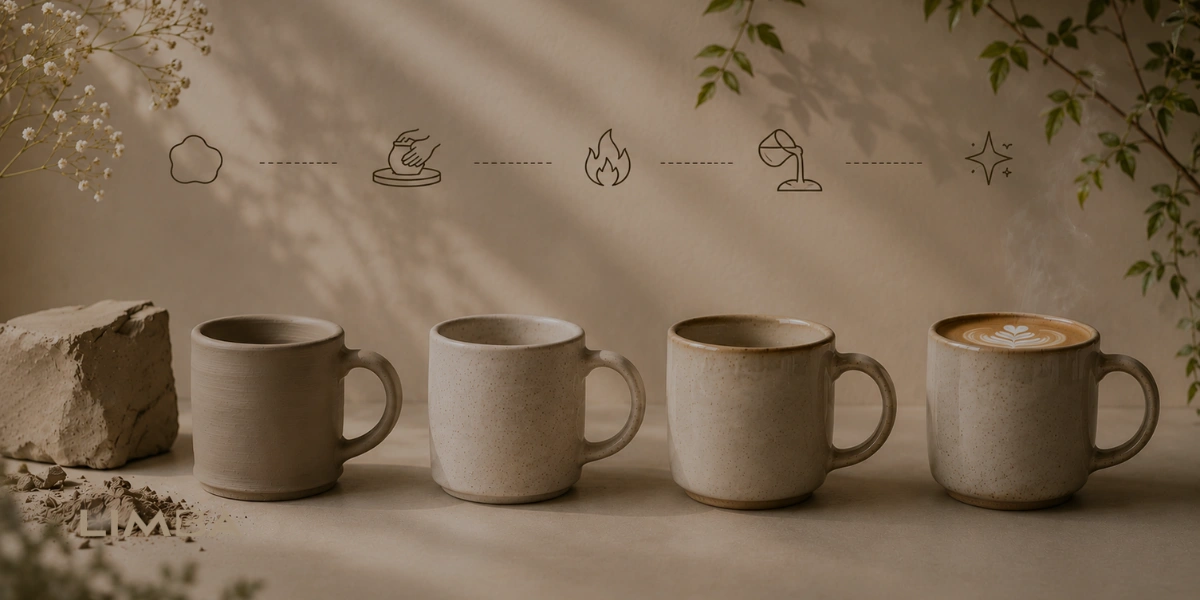
Why Handmade Pieces Cost More
A handmade ceramic mug may cost more than a regular factory mug because the price includes labor, firing, glazing, material waste, studio time, and the risk of failure. Some pieces crack. Some glazes react differently than expected. Some shapes need extra trimming or sanding.
In many studios, a simple handmade mug can sit in the affordable range, while larger bowls, sculptural pieces, or complex glazed items can cost noticeably more. The price is not only about clay. It is about process. When someone understands that, Hand made ceramics stop looking expensive and start looking more reasonable.
The same idea applies to a pottery café session. You are not paying only for coffee or clay. You are paying for space, tools, instruction, firing, cleaning, glazing support, and the experience of making something usable. That is also one reason why a pottery date feels more memorable than a normal café visit. People leave with something they actually shaped themselves.
Factory ceramics are not bad. They are useful, consistent, and often practical. But they rarely feel personal. Hand made ceramics feel different because the maker’s process remains visible in the final piece. That is also why they work well in lifestyle spaces, boutique cafés, and creative studios.
The Best Coffee for Focus
For focus, my strongest choice is cortado. It is small, balanced, and does not interrupt the session. Espresso can be too quick and intense. A large latte can become too slow and milky. Cortado sits in the middle.
For beginners, I would recommend flat white because it is forgiving. It tastes familiar but still feels more refined than a standard milky coffee. For people who already drink specialty coffee, filter coffee is usually the better match because it gives clarity without heaviness.
This is also how I think about Hand made ceramics in general. The best piece is not always the loudest one. Sometimes the most useful ceramic is the one that feels right every day.
How to Choose Your Coffee Before the Session Starts
Before ordering, I would ask myself three simple questions. How long is the session? How messy will the work be? Do I need energy or calm focus?
For a short session, order something small. For a longer session, choose a drink that stays pleasant as it cools. For painting or glazing, avoid anything too sweet because sweetness can become tiring when you are concentrating.
Also think about cup size. A huge drink takes space. Pottery tables need room for tools, clay, water, brushes, and finished pieces. In a pottery café, table space matters more than people realize.
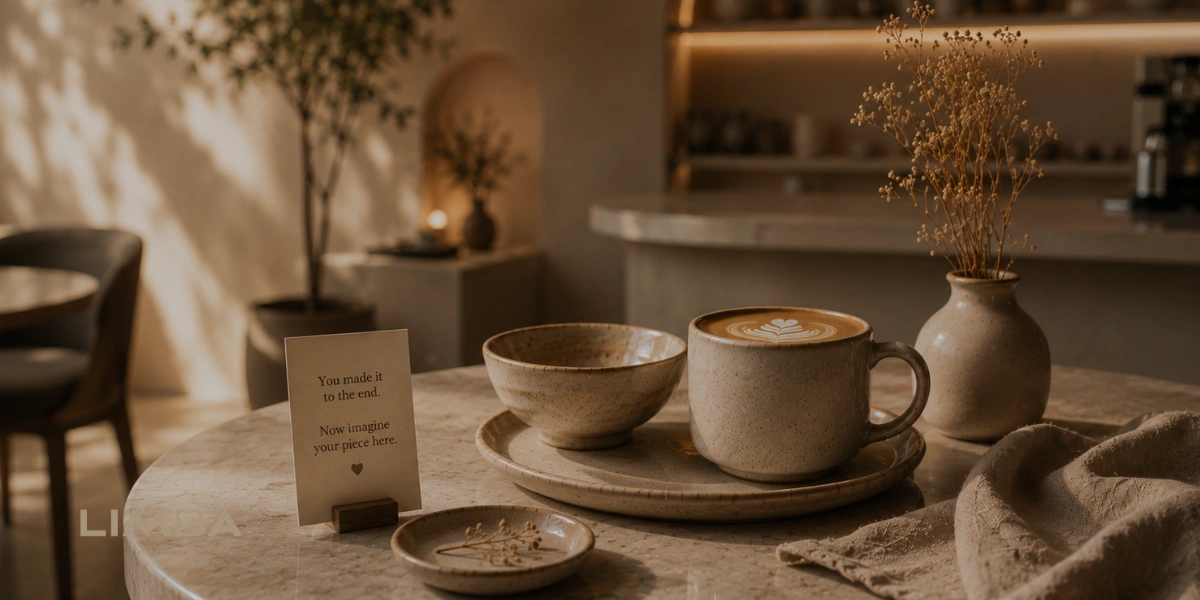
Final Thought
Choosing coffee for a pottery session is not a small detail. It changes the rhythm of the whole experience. The right drink should support your hands, your focus, and the type of ceramic work you are doing. If the coffee is too heavy, too sweet, or too distracting, it breaks the flow.
For me, the safest pairing is simple: flat white for beginners, cortado for detailed work, filter coffee for long sessions, and iced latte for relaxed social visits. When the drink fits the activity, Hand made ceramics feel even more valuable because the whole session becomes more intentional.
What is the best coffee for a pottery session?
A flat white is usually the safest choice because it is balanced, smooth, and easy to drink while working with clay. For detailed painting, cortado is better because it is smaller and less distracting.
Why do Hand made ceramics feel more expensive?
They feel more expensive because they involve time, skill, material risk, firing, glazing, and individual finishing. Each piece carries small differences that cannot be copied exactly by machines.
Is pottery a good café activity for beginners?
Yes. Beginners do not need technical knowledge to enjoy it. A guided session helps you understand the basics of shaping, painting, or glazing without making the process feel complicated.
Which coffee should I avoid during pottery?
I would avoid very sweet drinks, oversized cups, and anything with sticky toppings. They take space, distract from the session, and do not fit well beside clay, brushes, and tools.

Layla · CEO and Owner of Limba Studio, a brand dedicated to high-quality ceramic solutions that blend modern design, durability, and professional standards.
Want to see more from Limba?
Add Limba Studio as a preferred source on Google for more pottery guides, creative ideas and studio stories.