Ceramics

Repainting Glazed Ceramics Is It Possible and How to Do It?
Can You Repaint Already Glazed Ceramics?

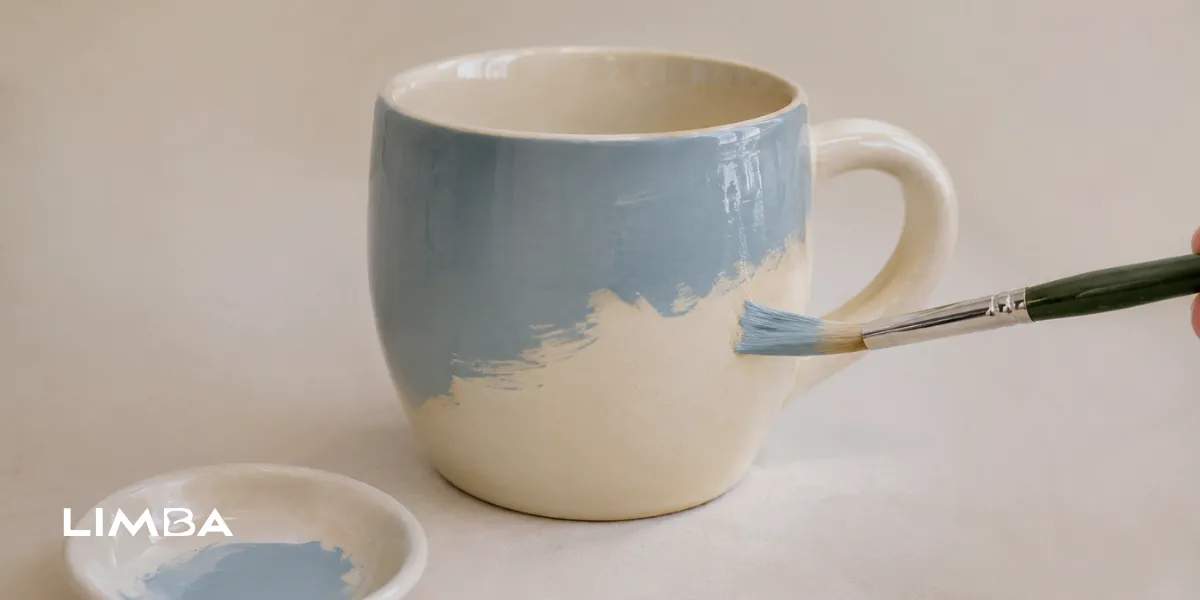
Yes, repainting glazed ceramics is possible, but ordinary paint rarely bonds well to a glossy, fired surface. At Limba, our advice is to consider how you intend to use the piece before changing its colour. A decorative vase can be repainted with suitable ceramic paint, while a mug or dinner plate requires greater care because of heat, washing, and food-contact safety. For a permanent ceramic finish, professional reglazing may be a better option if the piece is suitable for refiring.

Why Is Glazed Ceramic Difficult to Repaint?

During firing, ceramic glaze forms a glass-like coating that is much less porous than unglazed pottery. Unlike bisque ceramics, a glazed surface provides very little texture for ordinary paint to grip. Even fingerprints, grease, or invisible soap residue can weaken paint adhesion. The new colour may look perfectly fine after drying but start peeling or scratching during use.
At Limba, we recommend testing the paint on a small, inconspicuous area before repainting the entire piece. This is particularly useful when working with glossy ceramics or an unfamiliar glaze.

LIMBA CERAMICS · QUICK GUIDE

Give Your Glazed Ceramics a New Look

Four different goals. Four different techniques.

Repaint

Change the colour

Best for decorative pieces

Reglaze

Create a new fired finish

Requires professional assessment

Decal

Add detailed patterns

Keep the original base colour

Luster

Add metallic accents

Ideal for decorative details
Limba's Advice

Check glaze compatibility and food-contact safety before making any permanent changes.

What Is the Best Paint for Glazed Ceramics?

For repainting glazed ceramics, the best paint depends on how frequently the piece will be handled, washed or exposed to moisture. If you are unsure about the existing glaze, visiting a ceramic studio can help you identify a compatible painting method before purchasing materials.

Paint Type

Adhesion

Best For

Acrylic paint

Low without preparation

Decorative ornaments

Porcelain paint

Good when properly cured

Decorative mug exteriors and vases

Enamel paint

Good with compatible formulations

Decorative ceramic surfaces

Bonding primer + paint

Good on properly prepared surfaces

Complete colour changes

Our recommendation at Limba is to use opaque porcelain paint when covering an existing pattern or changing a dark ceramic piece to a lighter colour. It generally provides better coverage than transparent ceramic colours.

Always check whether the manufacturer specifically approves the paint for glazed surfaces. A product labelled ceramic paint is not necessarily suitable for previously fired pottery.

Can You Repaint Already Glazed Ceramics

How to Repaint Glazed Ceramics Step by Step

The key to repainting glazed ceramics is allowing enough time for surface preparation and paint curing. Follow these four steps to achieve a more durable finish.

Step 1: Clean and Inspect the Surface Wash the ceramic piece with mild dish soap, rinse thoroughly and let it dry completely. Check for cracks, loose glaze or damaged areas before applying paint.

Step 2: Prepare the Glazed Surface If the paint manufacturer recommends sanding, lightly roughen the decorative area with fine-grit sandpaper and remove any residue. Some specialist porcelain paints can be applied directly without sanding.

Step 3: Apply Thin Layers of Paint Apply several thin coats rather than one thick layer. Allow each coat to dry according to the manufacturer’s instructions.
At Limba, we recommend using a soft, flat brush for larger surfaces to minimise visible brush marks.

Step 4: Cure and Test the Paint Follow the manufacturer’s curing instructions. Some paints require air drying, while others require oven curing on suitable ceramics.

Once fully cured, gently rub a painted area with a damp cloth. If the colour transfers or starts lifting, the coating is not sufficiently durable for regular handling.
Practical tip: Keep the drinking rim and interior of mugs unpainted when using decorative paints.

Repainting vs. Reglazing Which Method Is Better?

Repainting adds a new decorative coating over the existing glaze, while reglazing involves applying a compatible ceramic glaze and firing the piece again in a kiln At Limba, we recommend choosing the method according to the change you want to achieve.

Desired Result

Recommended Method

Change the entire colour of a decorative piece

Repainting

Achieve a new fired ceramic finish

Professional reglazing

Add illustrations or detailed patterns

Ceramic decal

Create gold or metallic accents

Luster decoration

We would avoid refiring store-bought ceramics without knowing their original firing temperature and material composition. An incompatible firing cycle can cause cracking, glaze defects or deformation. If you like the original colour but find the design too plain, a Decal or Luster Workshop at Limba offers a creative alternative to repainting the entire surface.

Can You Repaint Already Glazed Ceramics

Is Repainted Ceramic Safe for Everyday Use?

A paint labelled waterproof, non-toxic or dishwasher-safe is not necessarily food-safe. For example, Pébéo Porcelaine 150 can withstand dishwasher cleaning when properly cured, but it is not intended for direct food

Ceramic Item

Recommended Approach

Coffee mugs

Decorate the exterior, avoiding the drinking rim

Dinner plates

Keep food-contact surfaces unpainted

Decorative vases

Use compatible, moisture-resistant paint

Microwave-safe ceramics

Check the new coating’s microwave compatibility

Bowls

Avoid decorative paint on interior surfaces

At Limba, we recommend gentle handwashing with a soft sponge to preserve the new finish. Avoid abrasive cleaners and prolonged soaking. If the new coating cannot be verified as safe for its intended use, keep the piece for decorative purposes.

Final Advice from Limba

Before repainting glazed ceramics, ask yourself whether you want to change the appearance or restore a functional piece. We recommend decorative painting for display pieces and professional assessment for ceramics intended for everyday use. Sometimes, adding a small decal or metallic detail is a better solution than covering the entire original glaze.

FOLLOW LIMBA ON GOOGLE

Want to see more from Limba?

Add Limba Studio as a preferred source on Google for more pottery guides, creative ideas and studio stories.

Can you paint glazed ceramics without sanding?

Yes. Some specialist porcelain paints are designed to bond directly to glazed surfaces. Always check the manufacturer's preparation instructions before sanding.

Can you repaint store-bought ceramics?

Yes, for decorative purposes, provided the paint is compatible with the existing glaze. Avoid refiring commercial ceramics without professional assessment.

Can you fix ceramic painting mistakes after firing?

Minor design mistakes can sometimes be covered with compatible porcelain paint, ceramic decals or overglaze decoration. The method depends on the existing finish.

Can you change dark glazed ceramics to a lighter colour?

Yes. Use an opaque paint formulated for glazed ceramics and apply several thin coats. Transparent colours may allow the original dark surface to show through.

How can you tell if paint has bonded properly to the glaze?

After full curing, gently rub a small painted area with a damp cloth. Peeling or colour transfer indicates poor adhesion. This test does not establish food safety or long-term durability.

ALSO READ:UAE National Day Family Activities in Dubai 2026

Leave a Reply

Your email address will not be published. Required fields are marked *