Ceramics

Handmade vs Mass-Produced Ceramics What’s the Difference?
Handmade vs Mass-Produced

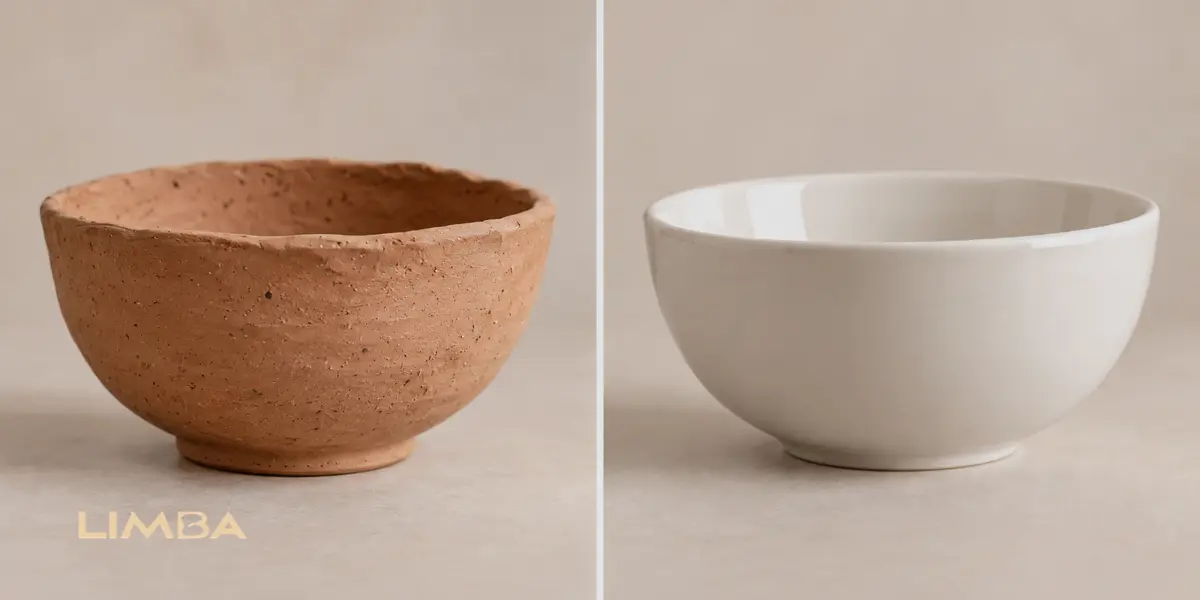
Handmade vs. mass-produced ceramics can look similar at first, especially when you are comparing plates, mugs, bowls, or decorative pieces online. But the difference is not only about whether a person or a machine made the item. It affects how consistent each piece looks, how much variation you can expect, how the surface is finished, how easy it is to replace a matching item, and often how much you pay. Handmade ceramics usually show small variations in shape, glaze, texture, or color because each piece goes through more individual handling. Mass-produced ceramics are designed to look more uniform, so buying six plates from the same collection usually gives you six pieces that are very close in size and appearance. That does not mean handmade ceramics are automatically higher quality, or that factory-made ceramics are always cheaper and less durable. Clay composition, firing temperature, glaze quality, finishing, and quality control can matter just as much as the production method. The useful question, then, is not simply, “Which one is better?” It is which type makes more sense for the way you plan to use it. In this guide, we will compare handmade vs. mass-produced ceramics in the areas that actually affect the buying decision, including appearance, durability, price, consistency. craftsmanship, and everyday use. For readers who want to experience the process firsthand, joining a ceramic workshop in Dubai can be a practical way to see how handmade pieces are shaped, glazed, and finished.

Factor Handmade Ceramics Factory-Made Ceramics
Production Method Shaped, finished, or glazed with direct maker involvement, often in small batches. Produced through molds, machinery, and standardized processes designed for high volume.
Shape Consistency Small differences in rim, thickness, height, or profile are normal. Dimensions are usually highly consistent across the same product line.
Glaze Variation Glaze tone, flow, texture, and surface pattern may vary between pieces. Glaze application is controlled to create a more uniform appearance.
Finishing Each piece may be trimmed, cleaned, glazed, and inspected individually. Finishing is standardized for speed and repeatability.
Quality Consistency Quality depends strongly on the maker's skill, firing control, and individual inspection. Industrial quality control can provide more predictable results across large batches.
Replacement Finding an identical replacement can be difficult because batches may vary. Matching replacements are usually easier to find while the collection remains available.
Production Time Usually slower because drying, trimming, glazing, and firing are handled in smaller batches. Faster production is possible due to automation and larger kiln loads.
Typical Cost Usually higher because more labor and individual handling are involved. Usually lower per piece because production costs are spread across larger quantities.
Best For Unique tableware, decorative pieces, gifts, and buyers who value individual character. Matching dinner sets, commercial use, larger quantities, and buyers who prioritize consistency.

What Are Handmade and Mass-Produced Ceramics?

Handmade ceramics are pieces that involve direct work by a maker during shaping, trimming, glazing, decorating, or finishing. They may be wheel-thrown, hand-built, slip-cast in small batches, or made with a combination of techniques. The important point is that the final result still depends heavily on the maker’s hands and decisions. You can often see this clearly in a ceramic workshop in Dubai, where two bowls made from the same clay and glaze can still come out slightly different. One may have a softer rim, a deeper glaze tone, or a small variation in shape. These differences are usually part of the handmade character rather than production defects. Mass-produced ceramics are made with repeatability in mind. Factories use molds, automated shaping, controlled glazing systems, and standardized firing processes to produce large quantities of pieces that look almost identical. This is especially useful for dinnerware sets, hotel supplies, and everyday products where consistent size, color, and shape matter. So the basic difference is simple: handmade ceramics allow more variation from piece to piece, while mass-produced ceramics are designed to minimize that variation. The next question is how much those differences actually matter in appearance, durability, price, and everyday use

Handmade vs Mass-Produced

The main difference

Is consistency. Handmade ceramics often have small variations in shape, glaze, texture, and color, while mass-produced pieces are designed to look as similar as possible. This affects the buying experience too. Handmade pieces usually feel more individual, but matching or replacing one later can be harder. Mass-produced ceramics are easier to buy in sets, replace, and keep visually consistent. Price can also differ. Handmade ceramics usually cost more because more time is spent shaping ,glazing, finishing, and checking each piece. Mass production reduces that cost by producing many identical items through standardized processes. Neither method automatically means better quality. Durability still depends on the clay body, firing, glaze quality, thickness, and overall work manship.

Handmade or Mass-Produced?

The production method changes more than appearance. It affects consistency, individuality, replacement, and price.

Handmade More Character

Small differences in glaze, texture, and shape make each piece more individual.

Mass-Produced More Consistent

Better suited to matching sets, easy replacement, and uniform sizing.

Quality Look Beyond the Label

Clay, firing, glaze, thickness, and finishing matter more than the production method alone.

Want to experience the handmade ceramic process yourself?

Book a Workshop

Does Handmade Mean Better Quality?

Not always. Handmade ceramics can be excellent, but the word “handmade” alone does not guarantee better quality. What matters more is how well the piece is made, fired, glazed, and finished. A well-run ceramic studio in Dubai, for example, may carefully control clay preparation, glaze application, firing temperature, and final inspection. Those steps can produce durable, well-finished ceramics even when each piece has slight visual differences. When judging quality, check the surface for cracks, uneven glaze in functional areas, sharp edges, unstable bases, and poor finishing. For tableware, it is also important to confirm that the glaze is suitable for food use and that the piece is designed for the intended type of daily use.

Handmade vs Mass-Produced
Which Ceramic Is Better?

If the main question is simply which one is better, handmade ceramics usually have the advantage in craftsmanship, individuality, and visual character. Each piece receives more direct attention, and small differences in glaze, texture, and shape can make it feel more personal rather than identical to thousands of other pieces. However, mass-produced cerarics are usually the more practical choice for everyday buyers. They are easier to find, generally more affordable, easier to replace, and much more consistent when you need a complete matching set. The wider ceramic tableware market is still heavily driven by large scale houschold and commercial demand, while handmade and artisan pieces sit more strongly in the premium and design-focused side of the market In terms of current design appeal, handmade-looking ceramics have a strong following. Textured stoneware, irregular shapes, hand-applied glazes and visible variation are especially popular among buyers who care about interior design and distinctive table settings. Recent design coverage continues to highlight this handcrafted aesthetic. So the clearest answer is this: mass-produced ceramics are more widely purchased, but handmade ceramics are usually the more desirable option when craftsmanship, uniqueness, and design matter most. If price,consistency, and easy replacement come first, mass-produced makes more sense. If you want something with more personality and visible craft, handmade is the stronger choice

FOLLOW LIMBA ON GOOGLE

Want to see more from Limba?

Add Limba Studio as a preferred source on Google for more pottery guides, creative ideas and studio stories.

Frequently Asked Questions

Are handmade ceramics actually better quality?

Not automatically. Handmade ceramics can offer better individual finishing and more character, but real quality still depends on the clay body, glaze, firing process, thickness, and workmanship.

Why are handmade ceramics usually more expensive?

More time is usually spent shaping, trimming, glazing, firing, and inspecting each piece. Small-batch production also means the maker cannot spread production costs across thousands of identical items.

Are small differences in handmade ceramics considered defects?

Small variations in shape, glaze tone, texture, or surface pattern are often a normal part of handmade ceramics. Cracks, unstable bases, sharp edges, or damaged glaze are different and may indicate an actual quality problem.

Which is better for everyday use, handmade or mass-produced ceramics?

Mass-produced ceramics are often easier for matching sets and replacements. Handmade ceramics can work equally well for daily use when they are properly fired, well finished, and suitable for food, dishwasher, or microwave use where required.

What should I check before buying handmade ceramic tableware?

Check that the base is stable, the edges are smooth, the glaze is suitable for food contact, and there are no structural cracks. It is also useful to confirm care instructions and whether the piece is dishwasher or microwave safe.

ALSO READ:Ceramic Ideas 2026 at Limba Studio

Leave a Reply

Your email address will not be published. Required fields are marked *