Ceramics, Workshops

Pottery Painting vs Clay Making for Kids Which Activity Is Better?
Pottery Painting vs Clay Making for Kids Which Activity Is Better

Some kids are happiest with a paintbrush in their hand, adding bright colours and funny little details to a ceramic mug. Others would rather get their hands covered in clay and see what happens when they try to turn a lump of it into something real. That is where pottery painting and clay making take two different paths. With pottery painting, children start with a ready-made ceramic piece and make it their own. Clay making gives them the chance to build something from scratch, even if the first attempt looks nothing like what they imagined. Neither activity needs to produce a perfect piece. The interesting part is figuring out whether your child would have more fun decorating something or getting involved in making it.

What Actually Happens in Pottery Painting and Clay Making?

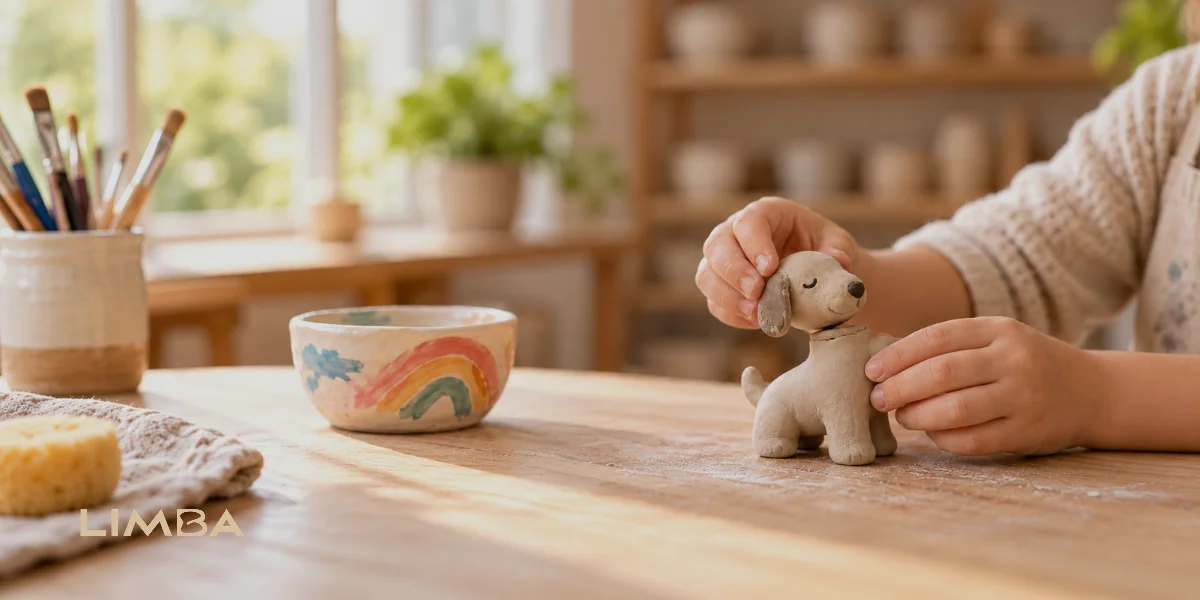
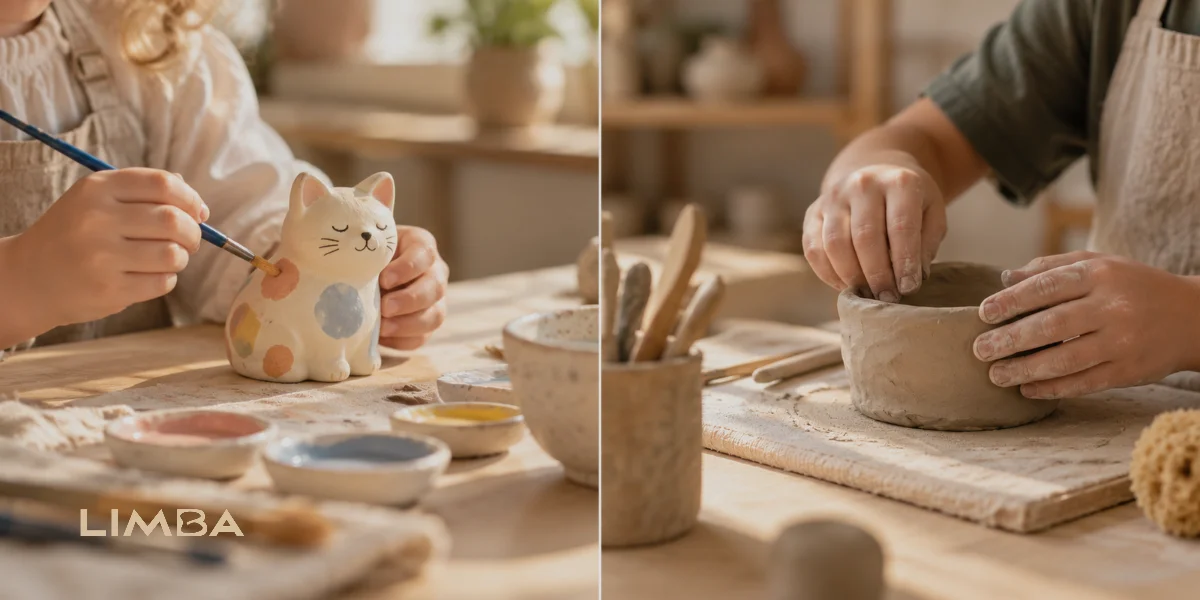
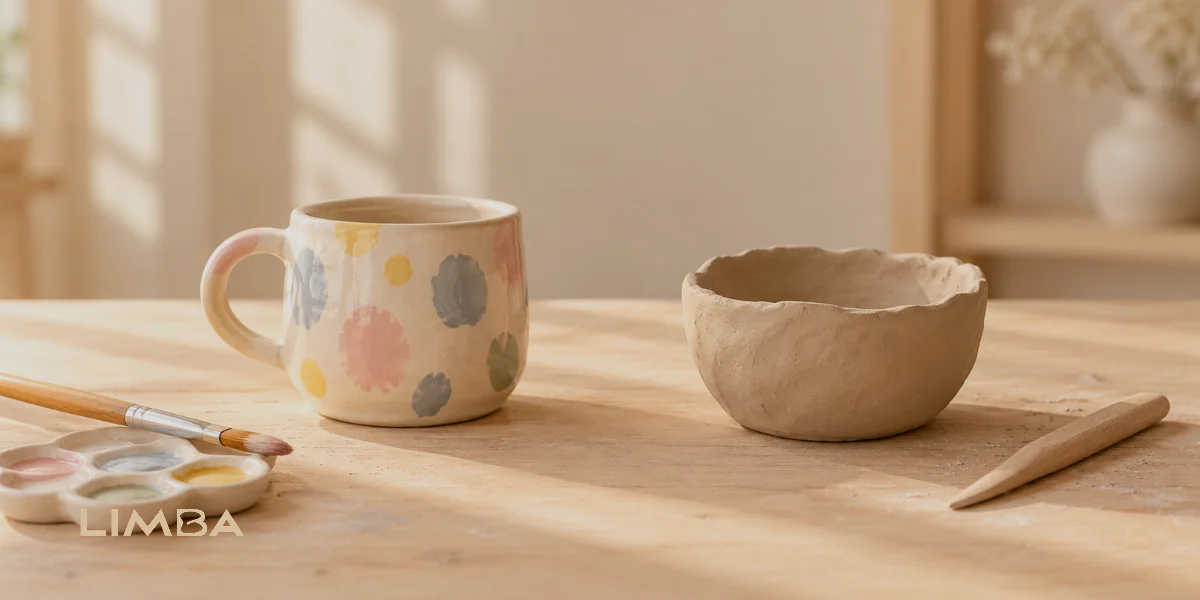
Pottery Painting: A Blank Piece, Plenty of Ideas In pottery painting, the tricky part of shaping the object is already done. Children choose a ceramic piece, perhaps a plate, bowl or small figurine, and decide how they want it to look. They can mix colours, paint patterns or give their piece a completely unexpected design. Since they do not have to worry about keeping the shape together, they can spend more time playing with colours and details. Clay Making: Starting With Nothing but Clay Clay making is a little more unpredictable. Children press, pinch, roll and join pieces of soft clay to create their own shapes. A small bowl might end up slightly crooked, or a clay animal might look nothing like the original idea. That is part of the experience. Unlike painting, where the shape is already there, clay making asks children to figure out how to build it. They get to feel how the material responds to their hands and make small adjustments as they go.

Your Child EnjoysBetter Starting Point
Drawing and mixing coloursPottery Painting
Building and changing shapesClay Making
Working with familiar tools like brushesPottery Painting
Touching and experimenting with materialsClay Making
Decorating an object with a ready-made shapePottery Painting
Creating an object from the beginningClay Making

How Each Activity Feels for a Child?

Give two children the same piece of clay, and you might get two completely different reactions. One starts squishing it straight away, while the other keeps asking how to make it look right. Pottery painting brings out a different side of creativity. The shape is already there, so children can focus on colours, patterns and the little details they want to add.

Creativity Without a Set of Rules

Pottery painting gives children a starting point. A plain ceramic plate might become a colourful garden, a funny face or a collection of random shapes. They can change their minds about the design without having to build the object itself. Clay making leaves more room for experimenting with shapes. Children might begin with a plan to make a cup, only to turn it into a tiny flowerpot halfway through. There is more freedom to change the object itself, although making certain shapes takes practice.

Messy Hands, Different Challenges

Clay making is a hands-on activity in the most literal sense. Children feel the clay stick to their fingers, notice when it becomes too thin and figure out why one part keeps falling over. It can take patience, especially when the clay refuses to cooperate.

Pottery painting is usually more manageable for children who prefer working with brushes. There might still be paint on their fingers or a few accidental splashes, but they are not responsible for keeping the whole piece standing.

A LITTLE CREATIVE COMPARISON

Two Ways to Get Creative

01

Pottery Painting

For little artists who love colour, patterns and adding their own details to a ready-made ceramic piece.

More decorating, less shaping.
02

Clay Making

For curious builders who enjoy exploring textures and turning soft clay into their own creations.

More shaping, more experimenting.

When Things Do Not Go as Planned?

Imagine a child spending fifteen minutes building a clay animal, only for its head to fall off. It might be frustrating at first, but with a little guidance, they can try attaching it again or changing the design. Painting has its own small surprises. A brushstroke might go in the wrong direction, or two colours might blend unexpectedly. Sometimes children find a way to turn those mistakes into part of the artwork. The difference is in what they are learning to handle. Clay making involves solving problems with shapes and structure, while pottery painting involves making creative decisions about how something looks.

Which Pottery Activity Suits Your Child’s Age and Interests?

A five-year-old who loves mixing colours might happily spend an afternoon painting a ceramic animal. Give that same child a lump of clay, and they might lose interest before the shape begins to look like anything. Another child could have the exact opposite reaction. Age can give parents a starting point, but what children enjoy doing with their hands often tells a more useful story.

Younger Children and Their First Pottery Experience

For children who are still developing hand control, painting a ready-made ceramic piece can feel less demanding. They can use broad brushstrokes, pick their favourite colours and see their design come together without worrying about shaping the object. Clay making can be just as enjoyable for younger children when the activity involves simple techniques like rolling, flattening and pressing. The difficulty increases when they need to join delicate pieces or keep a taller shape upright.

Older Kids Who Want to Make Something Their Own?

Some older children enjoy the challenge of building an object they can actually use, such as a small bowl, a pencil holder or a jewellery dish. Working with clay gives them more decisions to make. How thick should the walls be? Will the base support the shape? How can they fix a crack before it gets worse? Painting offers a different challenge. Children who enjoy illustration, colour combinations or detailed patterns might find decorating ceramics more satisfying than shaping them

Pottery Painting vs Clay Making for Kids Which Activity Is Better

Let Their Interests Make the First Choice

Instead of asking which activity is better for a particular age, think about what your child already gravitates towards. A child who spends hours drawing characters may enjoy pottery painting. One who constantly builds things with modelling clay, blocks or sand might be more excited about clay making.

If you are considering a Kids Pottery in Dubai, check which activities are offered for your child’s age and whether the session focuses on decorating ceramics or building with clay. That small detail can make the first experience much more enjoyable.

Before Booking, Know What Happens After the Fun Part 

Picture this: your child has just finished making a slightly wobbly clay bowl. They are proud of it, already deciding where to put it at home, and then they discover it cannot come home with them that day. That is one detail worth explaining before a pottery session. Painting and clay making might both end with a ceramic keepsake, but getting that piece ready can involve more than the time spent at the studio.

A Finished Design Is Not Always a Finished Piece

When children paint a ceramic object, the design may look complete once they put down their brushes. However, the piece may still need glazing or kiln firing, depending on the materials and technique used. Clay creations have a longer journey. Freshly shaped clay generally needs to dry thoroughly before firing, and some pieces require additional glazing and another firing. For a child expecting to carry home a new mug immediately, that extra wait can come as quite a surprise.

A Few Details Worth Checking Before You Go

Before choosing a session, find out whether the activity includes all materials, how much guidance children receive and when their finished work can be collected. It is also worth asking whether parents can participate or need to remain nearby. Some children feel confident working independently, while others are happier when a familiar face is close. If you are looking at a Ceramic Workshop in Dubai , Limba offers activities such as Bisque Ceramic Painting and Pottery Hand Building. Checking the format before booking helps you choose the experience your child.

Which One Gets Your Child Excited 

Forget about making the prettiest piece in the studio for a moment. Think about what your child would enjoy doing for most of the session.

If they love choosing colours, drawing little characters and decorating their belongings, pottery painting gives them plenty to play with. If they prefer building, squishing and figuring out how things fit together, clay making might keep them more interested.

FOLLOW LIMBA ON GOOGLE

Want to see more from Limba?

Add Limba Studio as a preferred source on Google for more pottery guides, creative ideas and studio stories.

A Little More Clarity

Questions Parents Often Ask

Before your child picks up a paintbrush or gets their hands into clay, here are a few things worth knowing.

Is pottery painting easier than clay making for a child's first class?

Pottery painting often feels easier at first because the ceramic shape is already made. Children can focus on colours and patterns instead of building the object. However, children who love playing with modelling clay may feel more comfortable with clay making from the beginning.

What if my child gets frustrated when their clay creation falls apart?

Start with a simple shape that does not require delicate joins or tall walls. An instructor can help repair weak sections or suggest a different design. If your child prefers a more predictable activity, painting a ready-made ceramic piece may be a better first experience.

Can children with sensory sensitivities enjoy pottery activities?

Yes, but the materials and environment matter. Clay has a damp, sticky texture that some children enjoy and others dislike. Pottery painting offers brushes and less direct contact with wet clay. Ask the studio about materials, noise levels and possible accommodations before booking.

Can my child take their painted or handmade pottery home on the same day?

Not always. Many ceramic pieces require kiln firing before collection. Handmade clay pieces usually need time to dry before firing, and some require glazing and an additional firing. Ask the studio about the collection date before promising your child an immediate take-home gift.

Should I book pottery painting or clay making for a group of children?

Pottery painting can be easier to organise for groups with different ages and experience levels because everyone starts with a ready-made piece. Clay making may suit groups that enjoy building and experimenting together. Check the instructor-to-child ratio, age requirements and session length before arranging a group booking.

ALSO READ:Handmade vs Mass-Produced Ceramics What’s the Difference?

Leave a Reply

Your email address will not be published. Required fields are marked *