

Blog
What Is a Pottery Cafe? Everything You Need to Know About Pottery Cafes
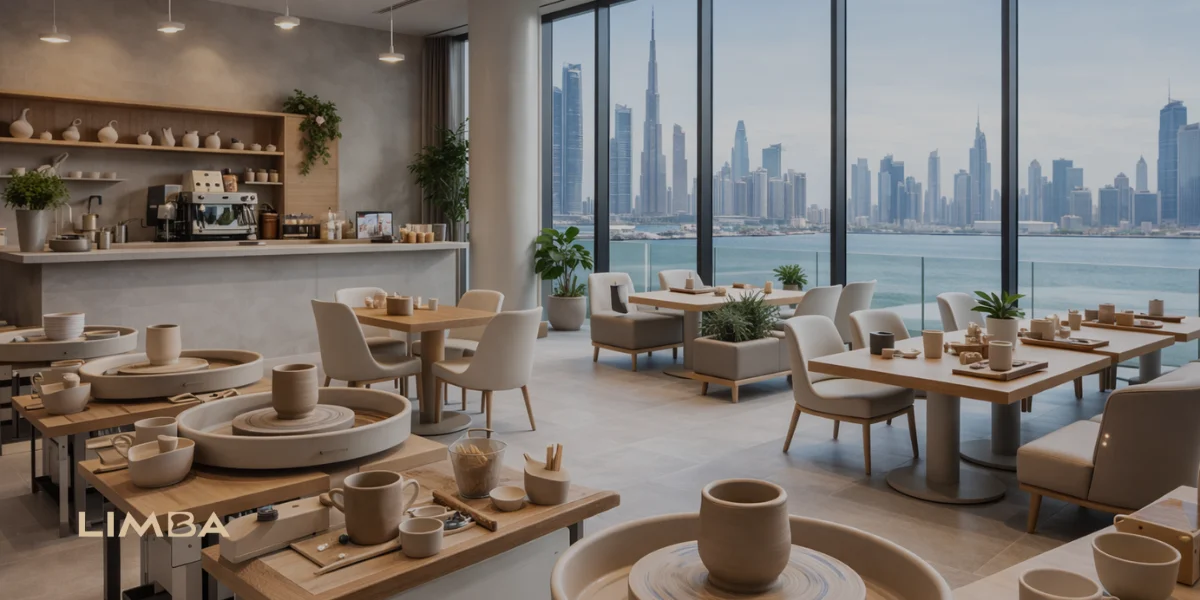
The first time I experienced Pottery on the Wheel, it wasn’t in a formal studio or an art school. It was inside a small café where the smell of coffee mixed with wet clay, and people were laughing while their hands were completely dirty. That moment explains more than any dictionary definition ever could.
This article is written for people who genuinely want to understand What Is a Pottery Cafe? not as a trend, but as a concept, a business model, and a personal experience worth your time and money.
I will not romanticize it, I will not generalize it, and I will not waste your time. Everything here is based on how pottery cafés actually work, what they cost, who they are for, and who they are absolutely not for.
What Is a Pottery Cafe?
A pottery cafe is a guided, time boxed ceramics experience inside a cafe setting. You pay for access to clay, tools, instructor support, glazing, and kiln firing. This infographic shows how it works, what you actually pay for, and what to expect after the session.
howTheExperienceActuallyFlows
A realistic end to end timeline, including the part most people forget: drying and firing.
If a venue promises same day fired pottery, ask what process they use. Real kiln work needs drying time.
Pottery cafes optimize for accessibility. You get structure, guidance, and atmosphere, not full studio freedom.
whatYouActuallyPayFor
Costs are driven by instructor time, kiln cycles, glazing, breakage risk, and facility overhead, not only clay.
| Experience | Typical Range | Includes |
|---|---|---|
| Hand building | $35 to $60 | Clay, tools, basic guidance, glazing, firing |
| Wheel session | $55 to $95 | Wheel time, more instructor help, glazing, firing |
| Private session | $120 to $250 | Dedicated coaching, flexible pacing, custom goals |
| Glaze upgrade | $10 to $25 | Special glazes, extra colors, premium finishing |
whereYourMoneyUsuallyGoes
A practical breakdown of common cost drivers in a pottery cafe. It explains why pricing is not only about clay.
The Real Definition Behind the Trend
What Is a Pottery Cafe? At its core, it is a hybrid space where a café environment is intentionally combined with guided or semi guided pottery activities. You are not renting a full studio, and you are not just drinking coffee. You are paying for structured access to clay, tools, firing services, and an atmosphere designed for short-term creative engagement.
Unlike traditional ceramic studios, a pottery café is built for people with little to no experience. Sessions are time-bound, outcomes are simplified, and success is defined as participation rather than mastery. That distinction matters more than people realize when they walk in expecting to create museum-level ceramics.
Info:
A pottery café is not an art school, and it is not trying to be one. Its value lies in accessibility, not technical depth.

Why Pottery Cafes Exist in the First Place
To understand What Is a Pottery Cafe?, you have to understand the problem it solves. Modern urban life is overstimulated, screen-heavy, and socially fragmented. Pottery cafés offer controlled slowness. Your hands are busy, your phone is irrelevant, and conversation happens naturally without pressure.
This is also why concepts like Pottery Dates in Dubai exist and work so well. You are not forced to talk nonstop, and silence never feels awkward because the clay is doing half the work for you.
Tip:
If a pottery café feels rushed or loud, it has failed its core purpose, no matter how good the coffee is.
How a Pottery Cafe Actually Works
Most pottery cafés operate on a reservation-based system. You book a session length, usually between 60 to 120 minutes. The price typically includes clay, basic tools, instructor guidance, glazing, and kiln firing.
What many people misunderstand is the timeline. You do not take your piece home the same day. Firing alone takes days, sometimes weeks, depending on kiln schedules.
Here is a realistic breakdown of the process:
| Stage | What Happens | Time Required |
|---|---|---|
| Arrival & Orientation | Tool explanation and safety basics | 10–15 minutes |
| Creating | Hand-building or wheel throwing | 45–90 minutes |
| Drying | Clay air-dries before firing | 3–7 days |
| Firing & Glazing | Kiln firing and finishing | 1–3 weeks |
| Pickup | Finished ceramic item | Scheduled |
Info:
If a place promises same-day finished ceramics, you are not dealing with real fired pottery.
Not All Pottery Cafes Are the Same
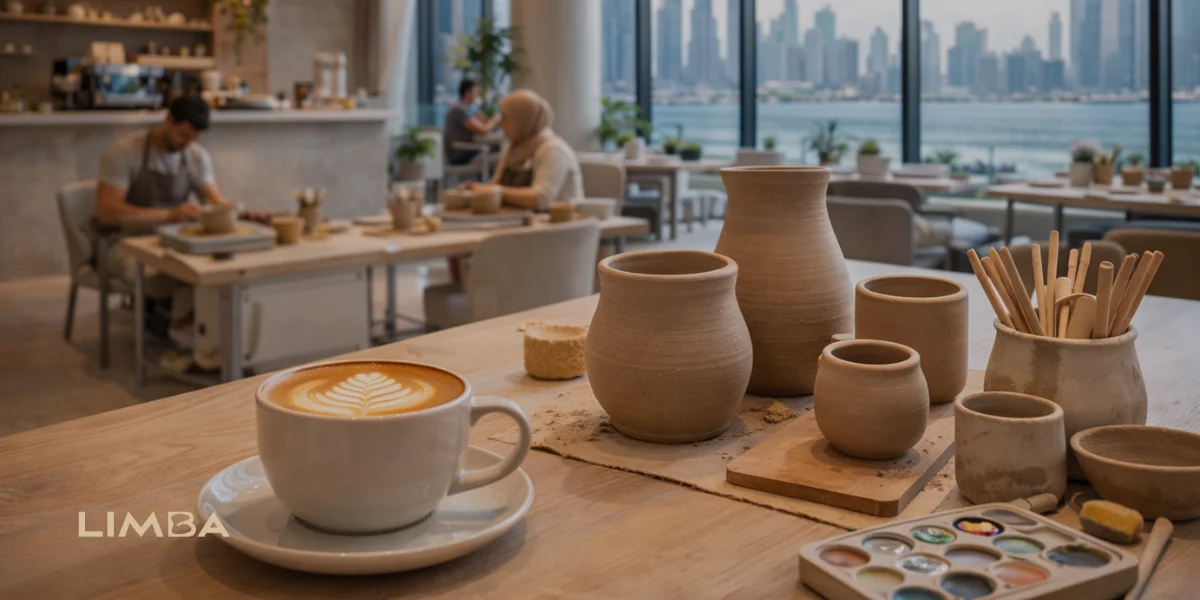
When people ask What Is a Pottery Cafe?, they often imagine a wheel. In reality, many cafés focus on hand-building because it is faster, cleaner, and easier to manage in a public space.
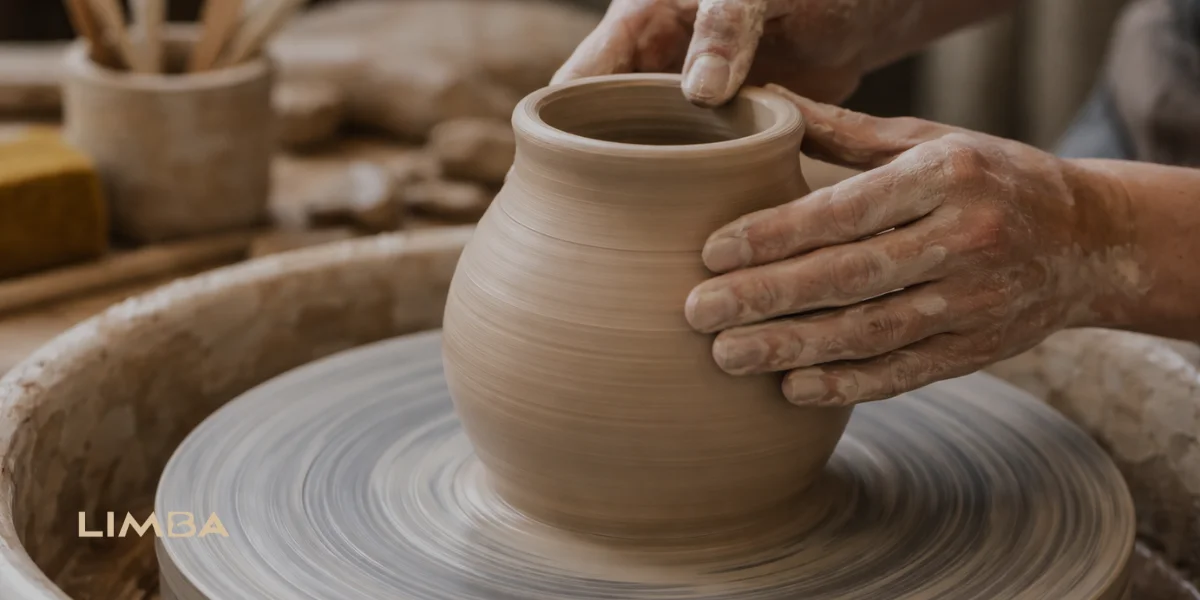
Wheel throwing is more expensive and more technically demanding. It also has a higher failure rate for beginners. Some cafés offer both, but charge separately.
Tip:
If it’s your first time, hand-building will give you better results and less frustration than the wheel.
whatToExpectWhenYouWalkIn
This block is built to sit under your infographic. It reads like a human wrote it, stays factual, and helps users make a smart booking choice.
whatMakesAReallyGoodPotteryCafe
A great pottery cafe is not defined by décor. It is defined by process clarity, predictable firing quality, and staff who can guide without taking over. If the venue is vague about pickup timing or glaze options, that ambiguity usually shows up later as disappointment.
Ask how they handle cracks after drying. A confident studio has a clear remake policy or a prevention approach, not vague reassurance.
faq That Actually Helps
These questions are written to reduce refunds and increase satisfaction, because they set expectations correctly.
Pricing Reality What You’re Actually Paying For
Pottery cafés are not cheap, and they are not supposed to be. You are paying for materials, skilled labor, equipment maintenance, and risk. Kilns are expensive, and mistakes cost money.
On average, prices look like this:
| Experience Type | Average Price Range |
|---|---|
| Hand-Building Session | $35 – $60 |
| Wheel Throwing Session | $55 – $95 |
| Private Session | $120 – $250 |
| Take-Home Glaze Upgrade | $10 – $25 |
Info:
Cheap pottery cafés often cut corners on firing quality, which directly affects durability.
Who Pottery Cafes Are Perfect For
What Is a Pottery Cafe? It is perfect for people who value experience over outcome. If you want a flawless mug, buy one. If you want to understand how objects are made, this is your place.
They work exceptionally well for beginners, couples, small groups, and people looking for intentional downtime. They are not ideal for professional ceramicists or anyone expecting full creative control.
Tip:
If a café limits design options heavily, it is optimizing for volume, not creativity.
final Reality Check Before You Book
A compact, practical summary: what you pay, how long it takes, and which session type fits your goal. Built for fast scanning at the end of the article.
fast Numbers That Matter
price And Time At A Glance
Emotional Experience Without the Overhype
There is something grounding about clay, but it is not mystical. The satisfaction comes from physical engagement and visible progress, not from some abstract emotional promise.
I avoid places that oversell transformation. Pottery cafés work because they are honest about limitations and generous with guidance.
Info:
Emotional impact is a byproduct of good structure, not exaggerated storytelling.
How to Choose the Right Pottery Cafe
Look for transparency in pricing, clear timelines for pickup, visible kilns, and instructors who explain rather than perform. Reviews should mention consistency, not just vibes.What Is a Pottery Cafe? It is only as good as its systems, not its Instagram feed.
Frequently Asked Questions
Is a pottery cafe suitable for complete beginners?
Yes, as long as the café is designed for beginners and includes instructor guidance. Most pottery cafés are built specifically for first-time users.
How long does it take to get my finished piece?
Typically between one and three weeks, depending on drying and kiln schedules. Faster than that usually means lower-quality processing.
Are pottery cafes worth the price?
They are worth it if you value guided experience and learning. They are not cost-effective if your only goal is owning ceramic items.
Can I use my finished pottery daily?
Yes, if it has been properly glazed and fired. Always ask whether pieces are food-safe and dishwasher-safe before use.
ALSO READ: Why Is Pottery Trending as a Creative Activity?

Founder of Limba Ceramic, a brand dedicated to high-quality ceramic solutions that blend modern design, durability, and professional standards.