I spend a lot of time talking to people who are actively looking for a new kind of experience. Not entertainment in the shallow sense, not another app, not another class they abandon after two sessions. What keeps coming up again and again is the same question, sometimes asked directly, sometimes indirectly: Why is pottery trending right now, and why does it feel different from other creative hobbies?
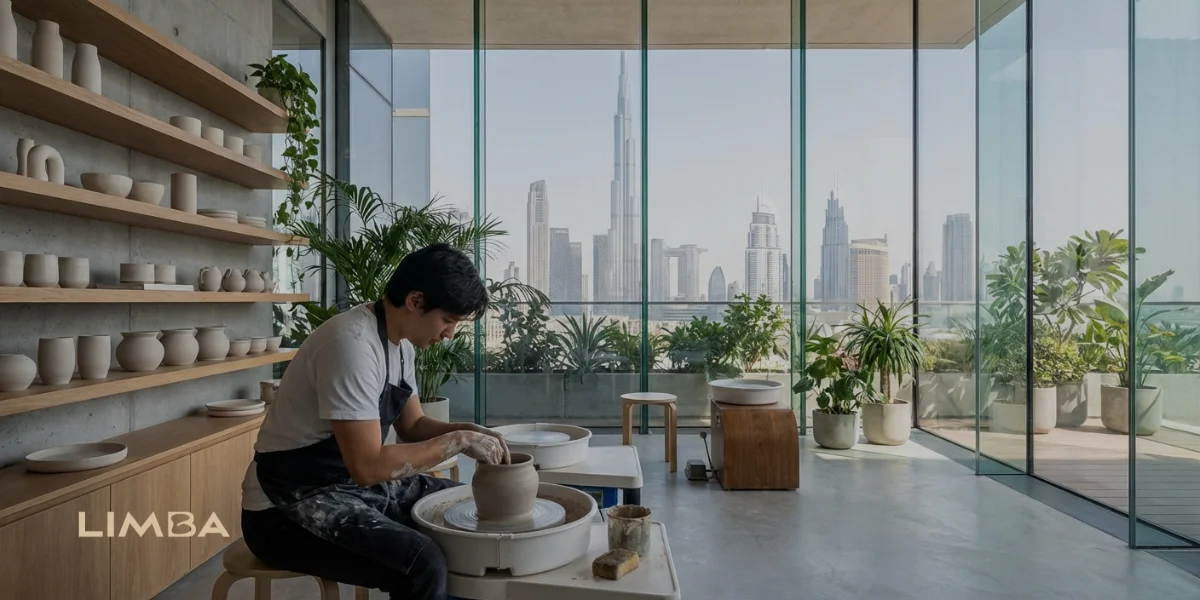
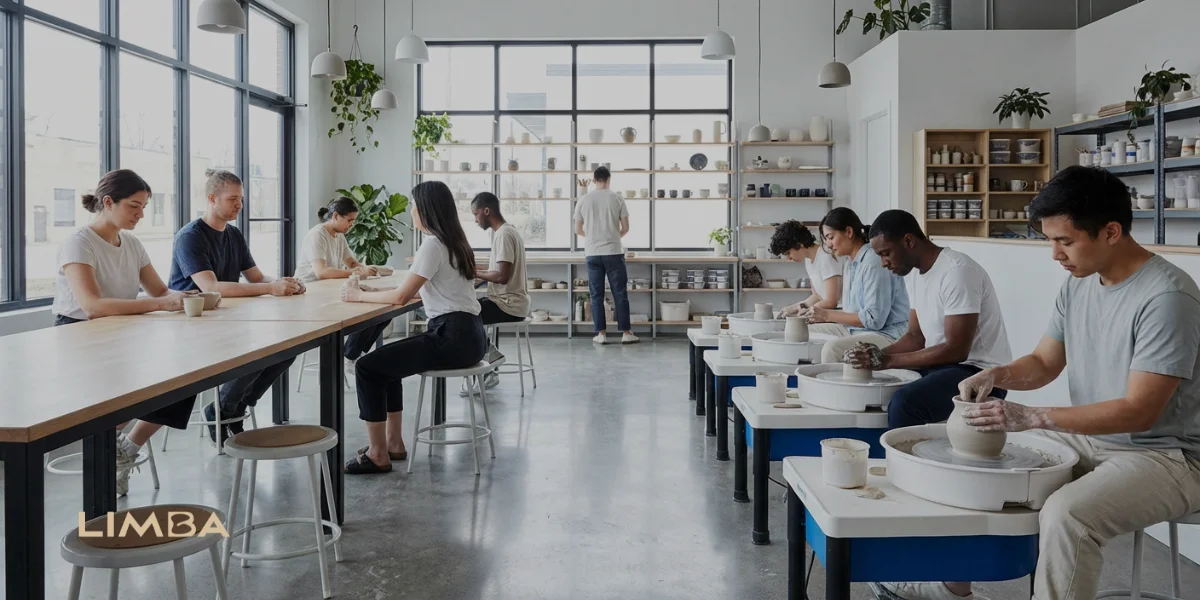
The first time I noticed this shift was inside a Pottery workshop in Dubai, not on social media. The room was full, not just with artists, but with couples, parents, corporate teams, even people who openly said they had “zero talent.” That alone told me something had changed.
This article is not written to romanticize clay or turn pottery into a poetic escape. I want to explain, clearly and practically, why is pottery trending as a creative activity, what people are really paying for, how much it actually costs, and why it keeps people coming back.
From Passive Consumption to Active Making
If I strip this trend down to its core, the first reason why is pottery trending is a cultural pivot. For years, most leisure time was built around consumption: scrolling, watching, streaming. Pottery sits on the opposite end of that spectrum. You don’t consume it, you produce something tangible.
This matters more than it sounds. When people finish a session and hold an object they made themselves, there is a measurable psychological effect. It’s not about pride or ego, it’s about proof of agency. You didn’t just pass time, you shaped it.
This is where pottery quietly outperforms many other creative activities. Painting can feel intimidating, music requires long-term commitment, digital design keeps you tied to a screen. Clay, on the other hand, responds immediately. That immediacy is a big part of why is pottery trending among people who claim they are “not creative.”
Why People Are Willing to Pay
Let’s talk numbers, because trends don’t grow without money changing hands. A standard pottery session today often costs more than a movie ticket, sometimes even more than a gym class. Yet studios are booked weeks in advance. This confuses people until they understand what is being priced.
You are not paying for clay. You are paying for guided time, shared equipment, firing costs, glazing, and most importantly, cognitive relief. When people ask me why is pottery trending despite rising prices, the answer is simple: the value is not material, it’s experiential.
Below is a realistic comparison based on what I see in active studios:
| Activity Type | Average Cost per Session | Tangible Output | Mental Engagement Level |
| Movie Theater | Low to Medium | None | Passive |
| Fitness Class | Medium | None | Physical |
| Pottery Workshop | Medium to High | Handmade Object | Physical + Cognitive |
| Digital Course | Medium | Digital Files | Cognitive |
| Pottery at Home Kit | Medium | Multiple Objects | Cognitive + Emotional |
This table alone explains a lot about why is pottery trending. It sits at a rare intersection: people feel they got something physical, something learned, and something felt, all at once.
Why Pottery Fits Modern Attention Spans Better Than You Think
There is a misconception that pottery requires extreme patience. In reality, modern workshops are structured around short, rewarding cycles. You shape, you adjust, you see progress within minutes. This is crucial when explaining why is pottery trending in a world where attention spans are fractured. Pottery doesn’t demand long-term focus upfront. It rewards partial attention and gradually pulls you deeper.
Info:
Most beginners don’t use the wheel in their first session. Studios intentionally design early classes around success, not mastery.
This is also where techniques like Hand building pottery in Dubai come in. It allows people to create functional pieces without the frustration of balance and centrifugal force. That accessibility removes the biggest psychological barrier.
Stress Reduction Without the Wellness Clichés
I want to be precise here, because this topic is often over-sold. Pottery is not magic. It doesn’t cure anxiety. But it does something very specific and very valuable. It forces sensory grounding. Your hands are busy, your eyes are focused, and your mind has just enough space to quiet down without being pushed.
This is a major reason why is pottery trending among people who say meditation “doesn’t work for them.” Pottery doesn’t ask you to empty your mind. It gives your mind something concrete to do.
Tip:
If someone says they feel calmer after pottery, it’s usually because their nervous system shifted from abstract thinking to tactile processing.
That distinction matters, and it explains why pottery is increasingly recommended alongside art therapy practices, even when studios don’t advertise themselves as therapeutic spaces.
Social Without Being Performative
Another overlooked reason why is pottery trending is social structure. Pottery sessions allow conversation, but they don’t demand it. Silence is acceptable. Collaboration happens naturally without icebreakers. Compare this to loud group activities or forced team-building exercises. Pottery creates parallel focus. People work side by side, occasionally commenting, occasionally helping, but mostly existing together.
This dynamic is especially appealing to couples and mixed-age groups. You can participate without performing, and that’s rare.
The Instagram Effect Is Real But Not the Core Driver
Yes, pottery photographs well. Clay-covered hands, spinning wheels, finished mugs on wooden shelves. Social media amplified visibility, no question. But visibility alone doesn’t explain retention. People don’t return to activities just because they look good online. They return because the experience holds up offline.
If this were purely an aesthetic trend, it would have peaked and faded. The reason why is pottery trending year after year is because people actually feel different when they leave than when they arrived. Not euphoric, not transformed, just… better.
And that subtle difference is hard to fake.
Why Pottery Studios Are Becoming Third Places
Sociologists talk about “third places”: spaces that are not home and not work, but still feel grounding. Cafes used to serve this role. Many don’t anymore.Pottery studios quietly stepped into that gap. They are structured, but not rigid. Social, but not loud. Productive, but not demanding.
This spatial role is another deep reason why is pottery trending. People aren’t just booking a class. They are returning to a place that feels stable in an unstable routine.
Info.
Many studios report higher retention from weekday evening classes than weekends, which suggests routine matters more than novelty.
Cost Transparency and Why People Accept It
Let’s address pricing honestly. Pottery is not cheap. Kilns are expensive, materials fluctuate, and labor is skilled. Still, people rarely complain once they understand what’s involved. Firing alone can take hours and energy costs are significant. Add instructor time, studio rent, and breakage loss, and the price becomes logical.
This transparency builds trust, and trust is another pillar of why is pottery trending. When people feel they understand what they’re paying for, they stay. I’ve seen studios raise prices slightly and still grow, because the perceived value was intact. That almost never happens in purely entertainment-based activities.
Is This Trend Sustainable or Just a Phase?
This is the question everyone asks me. Based on demand patterns, studio expansion, and home kit sales, I don’t see pottery fading soon. Trends die when they are replaceable. Pottery isn’t easily replaced because it occupies a unique mental and physical niche.
As long as people feel digitally overloaded, as long as they crave tangible output, why is pottery trending will remain a relevant question, not a past one.That said, quality matters. Studios that treat pottery like a conveyor belt experience burn out faster. The ones that focus on pacing, guidance, and realistic expectations keep their communities alive.
And yes, some workshops are better than others. That’s normal. No trend is uniform.
FOLLOW LIMBA ON GOOGLE
Want to see more from Limba?
Add Limba Studio as a preferred source on Google for more
pottery guides, creative ideas and studio stories.
Frequently Asked Questions