Blog
7 Common Pottery Mistakes to Avoid in Your First Session
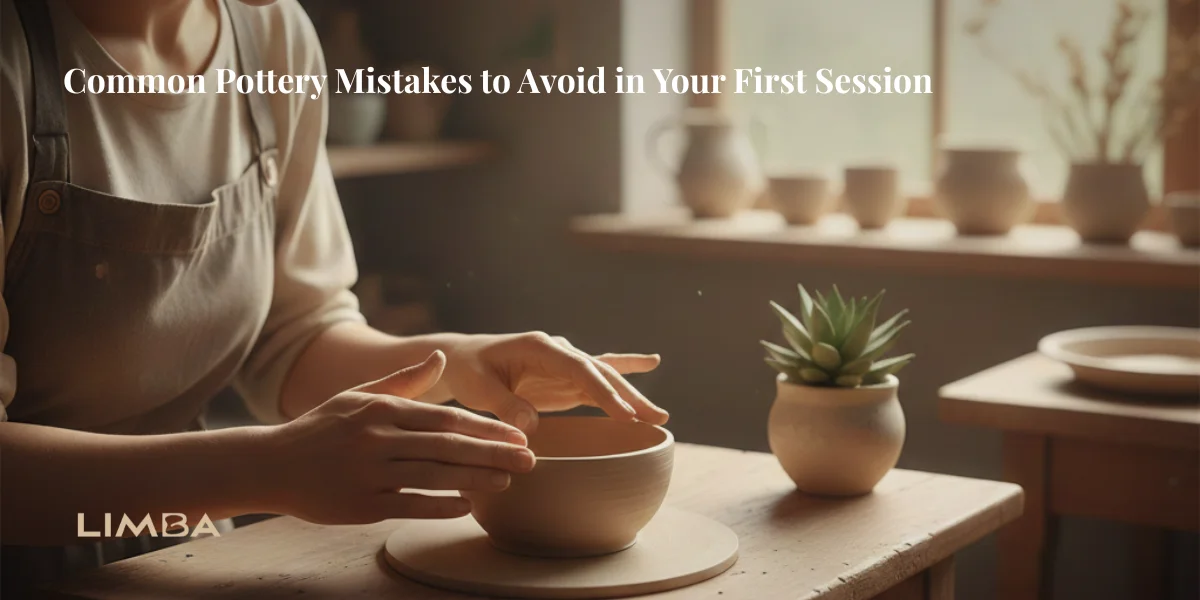
Pottery mistakes are normal in your first session, especially when you are still learning how clay feels, how much pressure to use, and when to stop shaping. Beginners often struggle with choosing the wrong clay, overworking the material, rushing the wheel, or misunderstanding glazing and firing. The good news is that most common pottery mistakes are easy to avoid with the right guidance. If you want a calmer first experience, joining guided pottery workshops in Dubai can help you understand the basics before bad habits start.
Planning your first pottery session?
Start with a guided class at Limba so you can learn how to handle clay, avoid beginner mistakes and choose the right technique for your first piece.
Ideal for first-time guests who want a calm, hands-on pottery experience in Dubai.
Why Pottery Mistakes Happen in Your First Session?
In your first pottery session, pottery mistakes often happen due to a lack of familiarity with the medium. Beginners often select the incorrect type of clay or overwork it, unaware that different clays possess distinct properties and require specialized handling techniques. For instance, some clays, such as earthenware, are more prone to cracking if not properly handled, while others, like stoneware, are more forgiving. Without guidance, it's easy to make these fundamental mistakes, which can lead to frustration right from the start.
Another common mistake stems from misjudging the tools and techniques needed for shaping and molding. For example, using excessive pressure on the clay during hand-building or throwing can lead to unwanted cracks or deformation. The key here is understanding the balance of pressure and speed, which comes with practice and experience. Many first-timers also underestimate the importance of preparation, such as properly wedging (kneading) the clay to remove air bubbles, which can cause disastrous results when the piece is fired.
That is why a guided first session matters. In a studio setting, beginners can learn when to add pressure, when to slow down, and how to prepare the clay before shaping starts.
Choosing the Wrong Clay for Your First Pottery Session
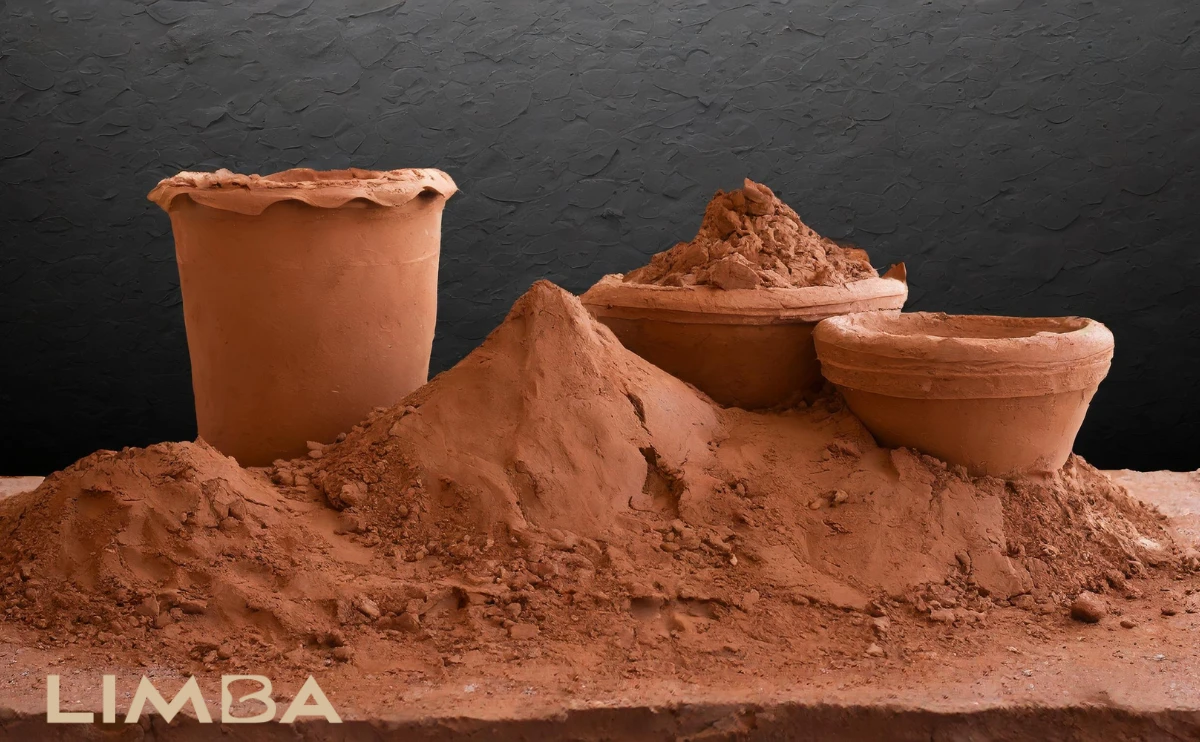
Choosing the wrong material for your pottery project can lead to common mistakes quickly. For example, earthenware clay (also known as terracotta) is porous and prone to cracking if not handled properly, especially when creating larger pieces. Using it for intricate designs or thin walls can result in structural failures during the firing process. Stoneware clay, on the other hand, has a higher firing temperature tolerance and is more versatile, but may be difficult to shape for beginners due to its stiffness.
Additionally, selecting an incompatible glaze can cause further problems. Some glazes are specifically designed for certain clays, and using the wrong type can result in uneven finishes, discoloration, or improper bonding between the clay body and the glaze. For instance, glossy glazes may not adhere well to porous clays, resulting in an uneven surface or unattractive finishes. Knowing the properties of different materials and their compatibility is essential to avoid these mistakes.
If you are not sure which clay or technique fits your first project, Limba’s ceramic workshops in Dubai can help you start with a guided, beginner-friendly setup.
Use this as a simple beginner guide, not a strict rule. In a real studio session, the best clay choice depends on what you want to make and how the piece will be finished.
Impact of Material Choice on Pottery Properties
This chart shows how different clay types affect key pottery properties: Strength, Color, and Durability.
- Strength: Measures the clay's ability to withstand pressure. Higher strength materials like Porcelain and High Fire Clay are ideal for durable pieces.
- Color Quality: Indicates how vibrant and consistent the final color will be. Porcelain and High Fire Clay produce brighter results.
- Durability: Refers to how long the pottery lasts. Stronger clays like Stoneware and High Fire Clay offer better durability.
Choosing the right material based on these properties ensures better results and fewer common pottery mistakes.
Avoiding Overworking Your Clay: A Simple Trick
Overworking your clay is one of the most common mistakes beginners make, often leading to cracks or a loss of shape. The key to avoiding this is to understand the moisture content and the extent to which the clay can withstand manipulation. If your clay starts to feel dry or stiff, it’s best to stop and rehydrate it with a little water or a damp sponge. By doing this, you prevent the clay from becoming too brittle or hard to shape.
A simple trick to avoid overworking your clay is to listen to it. When the clay feels smooth and soft under your hands, you’re in a good place. If it starts to resist or get sticky, take a break. Working with clay that is not at the right consistency can lead to cracking when it dries or weak walls that will break during firing. Pay attention to the texture, and your work will stay intact.
If you enjoy shaping clay by hand but struggle with pressure, texture, or timing, a hand building pottery class in Dubai is a better starting point than trying to guess everything alone.
Pottery Wheel Mistakes Beginners Should Avoid
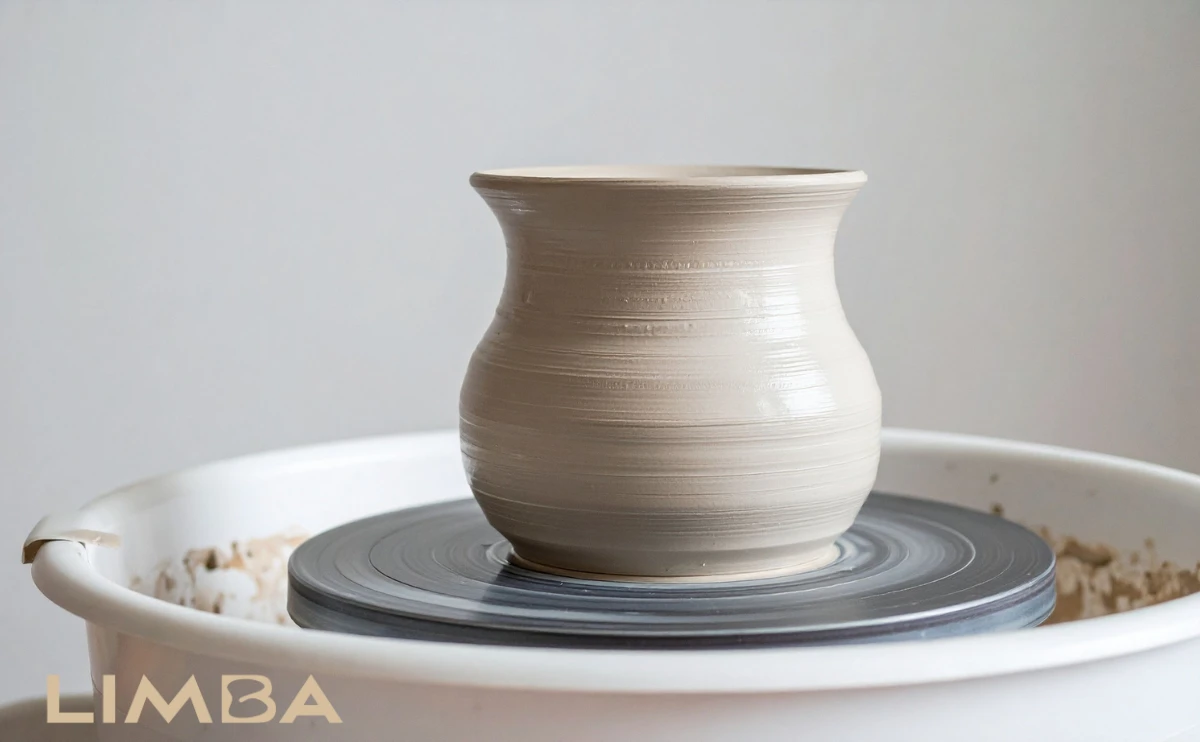
One common mistake beginners make when using the pottery wheel is applying uneven pressure, which can lead to uneven walls or collapse. A common issue is pressing too hard on the clay, especially in the early stages, which can cause the shape to distort. To fix this, focus on maintaining a consistent, gentle pressure with both hands, allowing the clay to form naturally rather than forcing it. The key is to guide the clay gently rather than overpowering it.
Another frequent mistake is not keeping the clay centered on the wheel, which can cause it to wobble during shaping. If the clay isn’t centered correctly, it will be impossible to create symmetrical shapes. To fix this, always check that the clay is centered before starting to form it. Use your hands or a centering tool (like a rib) to adjust the clay until it's stable. This will save you from frustration and ensure your pieces stay balanced and even.
If centering the clay feels difficult, a guided pottery wheel class, Dubai session can help you understand hand position, pressure, and rhythm before frustration builds.
Firing Mistakes That Can Ruin Beginner Pottery
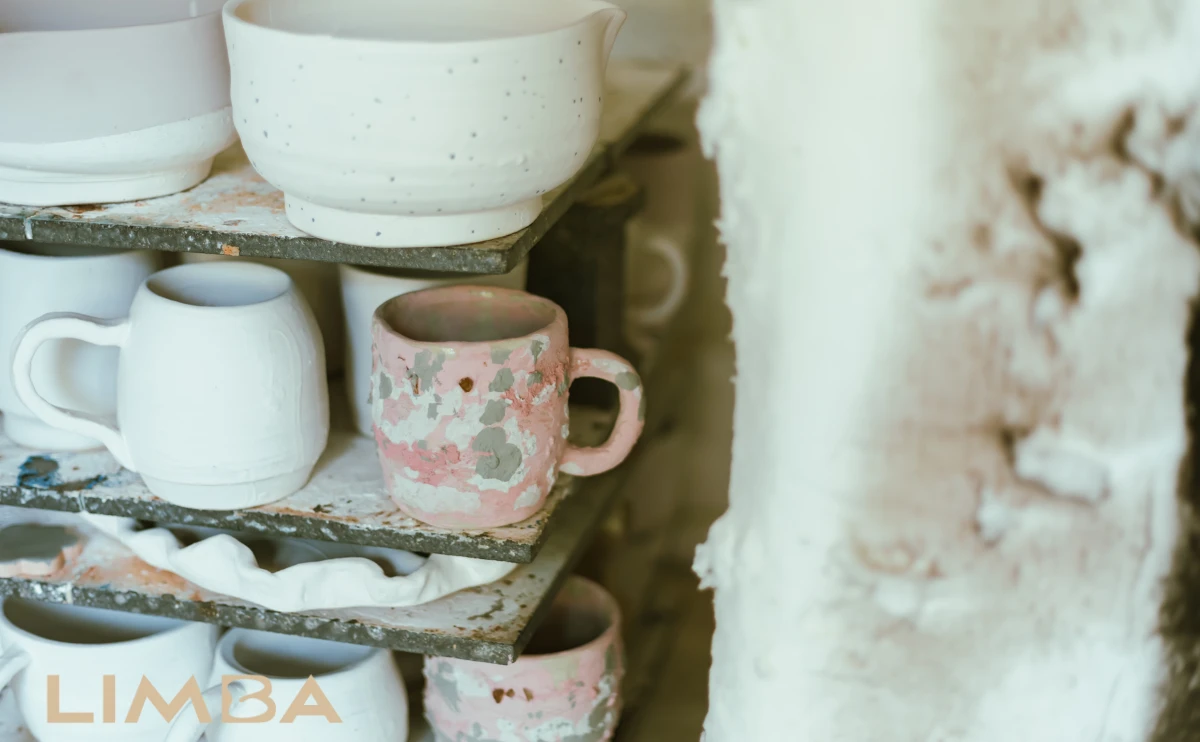
Incorrect firing is one of the most critical mistakes that beginners make, often leading to cracked or warped pottery. The temperature and firing schedule must be precisely controlled to prevent thermal shock or underfiring. If the pottery is not fired to the proper temperature, the glaze may not mature correctly, resulting in a dull or uneven finish. Similarly, underfiring can result in fragile, weak pottery that isn’t durable enough for practical use, often making the pieces susceptible to breaking with the slightest impact.
Overfiring, on the other hand, can cause the clay body to shrink excessively or even melt, rendering the entire piece unusable.
| Clay Type | Firing Temperature (°C) | Firing Temperature (°F) | Glaze Type | Glaze Firing Temperature (°C) | Glaze Firing Temperature (°F) |
|---|---|---|---|---|---|
| Earthenware | 1000°C - 1150°C | 1832°F - 2102°F | Glossy Glaze | 1100°C - 1200°C | 2012°F - 2192°F |
| Stoneware | 1200°C - 1300°C | 2192°F - 2372°F | Matte Glaze | 1050°C - 1100°C | 1922°F - 2012°F |
| Porcelain | 1200°C - 1300°C | 2192°F - 2372°F | Satin Glaze | 1180°C - 1250°C | 2162°F - 2282°F |
| Raku | 800°C - 1000°C | 1472°F - 1832°F | Raku Glaze | 800°C - 1000°C | 1472°F - 1832°F |
| High Fire Clay | 1300°C - 1400°C | 2372°F - 2552°F | High-Fire Glaze | 1280°C - 1340°C | 2336°F - 2444°F |
Glazing Mistakes Beginners Should Avoid
One of the most common mistakes in glazing is applying a layer that is either too thick or too thin. Applying a thick coat can result in uneven drying, leading to defects like runs or glaze puddles. On the other hand, a too-thin glaze layer can cause underdeveloped colors and an inconsistent finish. It's crucial to find the right balance by applying multiple thin layers rather than a single thick coat, allowing each layer to dry completely before applying the next.
Another common mistake is failing to thoroughly clean the pottery before applying the glaze. Any dust, oils, or fingerprints left on the surface can cause the glaze to adhere unevenly or lead to unwanted spots. Always ensure that the piece is thoroughly cleaned and free of any contaminants. Additionally, be mindful of glaze application techniques. Using the right tools, such as brushes or dipping tongs, will help you achieve more controlled and even coverage, resulting in a smoother finish.
If you want a simpler first experience, start with paint your own pottery in Dubai, where the process is guided and the piece is glazed and finished properly after painting.
Why Guided Pottery Workshops Help Beginners Improve Faster
Learning from others is one of the fastest ways to avoid beginner pottery mistakes. In a guided studio session, you can see how clay should feel, how much pressure to use, and when a piece needs more time before the next step. This is especially useful for beginners because small corrections early on can prevent cracks, weak walls, uneven shapes, and glazing problems later.
At Limba Studio, beginners can start with pottery workshops in Dubai that make the process easier to understand through hands-on practice.
Our Workshops
The Importance of Patience in Pottery
Patience is a cornerstone of successful pottery. Rushing through processes like shaping, drying, or firing can lead to cracks, warps, or glaze defects. Each step in pottery requires careful attention and time to ensure the clay behaves as expected, resulting in a stable and visually appealing final product. Rushing through the steps only compromises the integrity of the piece and limits the learning experience, making it essential to embrace the slow, deliberate pace the craft demands.
If you want your first session to feel less confusing, start with a guided beginner class instead of trying to solve every mistake alone.
Common Pottery Mistakes: FAQ
Quick answers for beginners who want to avoid common pottery mistakes before their first guided session.
What are the most common pottery mistakes beginners make?
The most common pottery mistakes include choosing the wrong clay, overworking the clay, using uneven pressure on the wheel, rushing the drying stage, applying glaze too thickly and expecting perfect results too quickly.
How can beginners avoid pottery mistakes in their first session?
Beginners can avoid many pottery mistakes by starting slowly, listening to guidance, keeping the clay moist but not too wet, using gentle pressure and choosing a beginner-friendly session. A guided pottery workshop in Dubai can help you understand the basics before bad habits start.
Should beginners start with hand building or the pottery wheel?
Hand building is often easier for complete beginners because it does not require wheel control. The pottery wheel is more technical, but it can be rewarding with guidance. You can start with a hand building pottery class Dubai session or try a pottery wheel class Dubai if you want to learn throwing.
Why does clay crack during pottery?
Clay often cracks when it dries too quickly, has uneven thickness, contains air pockets or is handled too much. Beginners should avoid rushing the process and should let each stage happen at the right pace.
What glazing mistakes should beginners avoid?
Beginners should avoid applying glaze too thickly, leaving dust on the surface, mixing incompatible finishes and rushing before the piece is ready. For a simpler first experience, you can paint your own pottery in Dubai and let the studio handle the finishing process properly.
What is the best pottery class for beginners in Dubai?
The best pottery class for beginners is one that gives clear guidance, enough time to practice and a calm studio environment. Limba offers beginner-friendly ceramic workshops in Dubai for guests who want a guided first pottery experience.

Founder of Limba Ceramic, a brand dedicated to high-quality ceramic solutions that blend modern design, durability, and professional standards.
The comparison chart for firing temperatures was super helpful! I’ve always been confused about matching glazes with clay bodies.
That’s awesome to hear! Once you match the right clay–glaze pair and firing range, your success rate instantly goes up
What’s the best clay to start with if I’m totally new to pottery and just want to practice?
Stoneware is a great choice — it’s forgiving, durable, and holds up well for beginners. You’ll get a good feel for the process without too many cracks or breaks!
This makes me feel better about all the mistakes I’ve made so far. Pottery really is about patience and learning through failure
Absolutely. Every mistake is part of the learning curve — pottery rewards patience more than perfection
It’s fascinating how firing temperatures and clay compatibility determine the final structure. I never realized glaze bonding could fail so easily!
Exactly! Each clay and glaze combination has a specific chemistry — understanding those temperature ranges is key to avoiding most beginner frustrations.
So apparently, my biggest pottery mistake was thinking I could ‘wing it’ without wedging the clay first… RIP to all my exploding pots
Haha yes, wedging is the unsung hero of pottery! It saves your pieces (and your kiln!) from some dramatic endings
If I accidentally overwork my clay and it starts drying out, can I rehydrate it and keep working, or should I start over?
Great question! You can lightly rehydrate it using a damp sponge or spray bottle, but if it’s too dry or cracking, it’s best to recycle it and start fresh for a smoother result
Is there a way to fix small cracks after drying, or is the piece ruined at that point?
If they’re small, you can try repairing them with slip made from the same clay body — just smooth it in carefully before firing. But deep cracks usually mean it’s time to recycle and rework.
I switched from earthenware to stoneware after reading this and it changed everything. So much sturdier and easier to control!
That’s awesome! Stoneware really is a great all-rounder — once you get used to its texture, it’s super reliable for almost any project.
This post made me realize how much patience pottery really teaches you. It’s like therapy in slow motion.
Beautifully said — pottery really does force you to slow down and be present. The process becomes a kind of mindfulness practice on its own.
I always struggle with keeping my clay centered on the wheel — no matter what I do, it wobbles. Any tips?
Totally normal at first! Try coning up and down a few times before opening the clay — it helps align the particles and makes centering way easier.
How do I know when I’m overworking my clay?
When it starts to feel stiff, sticky, or loses its elasticity, that’s your sign to pause. Clay has limits just like our focus — give it (and yourself) a breather.
This makes me feel better about making mistakes. Pottery really teaches patience.
Absolutely — patience is the quiet teacher behind every successful piece. The clay always mirrors your mindset.
Love how you explained the difference between earthenware and stoneware. Makes so much sense now why my thin earthenware cracked!
Exactly! Earthenware can be charming but fragile. Stoneware’s higher density gives you more forgiveness while you learn
Is there a way to fix cracks after bisque firing, or is it too late by then?
Once it’s bisque-fired, repairs are tricky—but you can try using glaze or kiln cement for small surface cracks. For structural ones, recycling is usually best.